Useful information about the taxon (species, subspecies, variety...)
Carpinus betulus L. 1753
Betulaceae
(APG IV)European hornbeam, common hornbeam
Taxon concept: The Plant List (2014), version 1.1
Distribution: Europe, Caucasus, Turkey, Iran
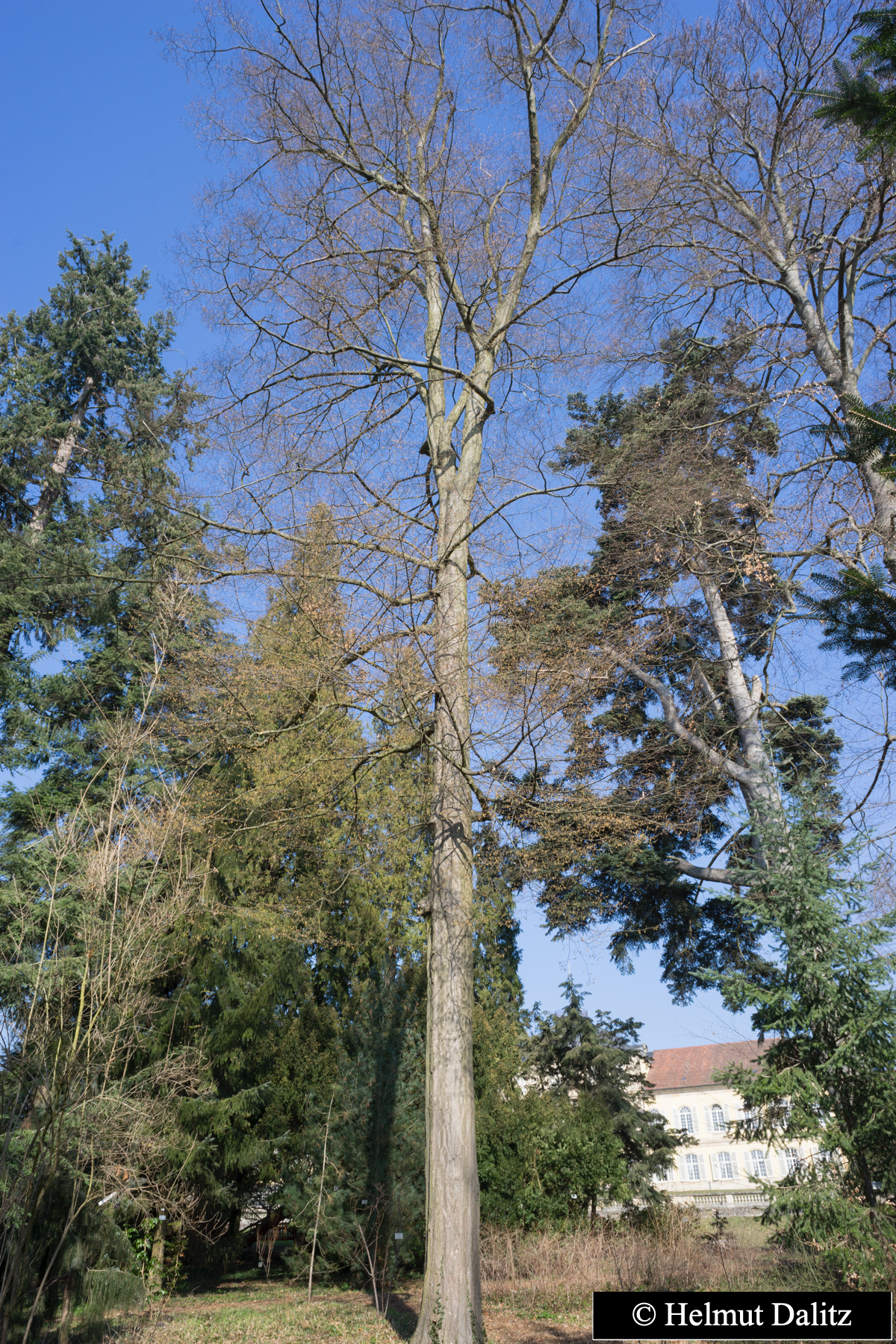
Size: 6 - 25 (m)
Carpinus betulus L. - Accepted: Carpinus betulus L. bei Zander 2008; Familie: Betulaceae (Zander 2008)Carpinus betulus L. - Accepted: Carpinus betulus L. bei The Plant List (2010); Familie: Betulaceae (APG III)Carpinus betulus L. - Accepted: Carpinus betulus L. bei The Plant List (2014), version 1.1; Familie: Betulaceae (APG III)Carpinus betulus L. - Accepted: Carpinus betulus L. bei The Plant List (2010); Familie: Betulaceae (APG IV)Carpinus betulus L. - Accepted: Carpinus betulus L. bei Schmeil-Fitschen 2019; Familie: Betulaceae (APG IV)Carpinus betulus L. - Accepted: Carpinus betulus L. bei BfN Checklist Flora DE; Familie: Betulaceae (APG IV)Carpinus betulus L. - Accepted: Carpinus betulus L. bei World Flora Online - APG IV (Angiosperms); Familie: Betulaceae (World Flora Online - APG IV (Angiosperms))
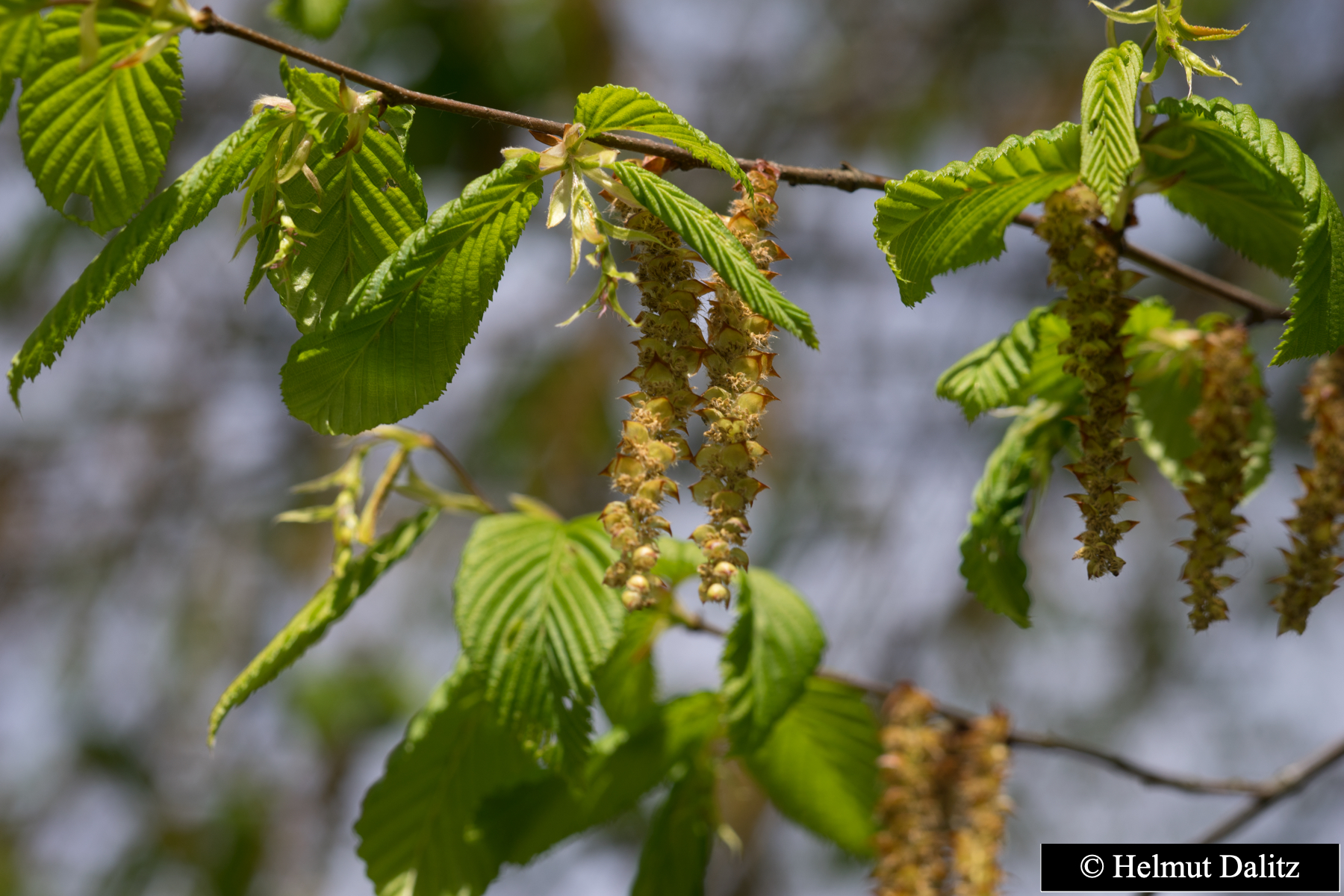
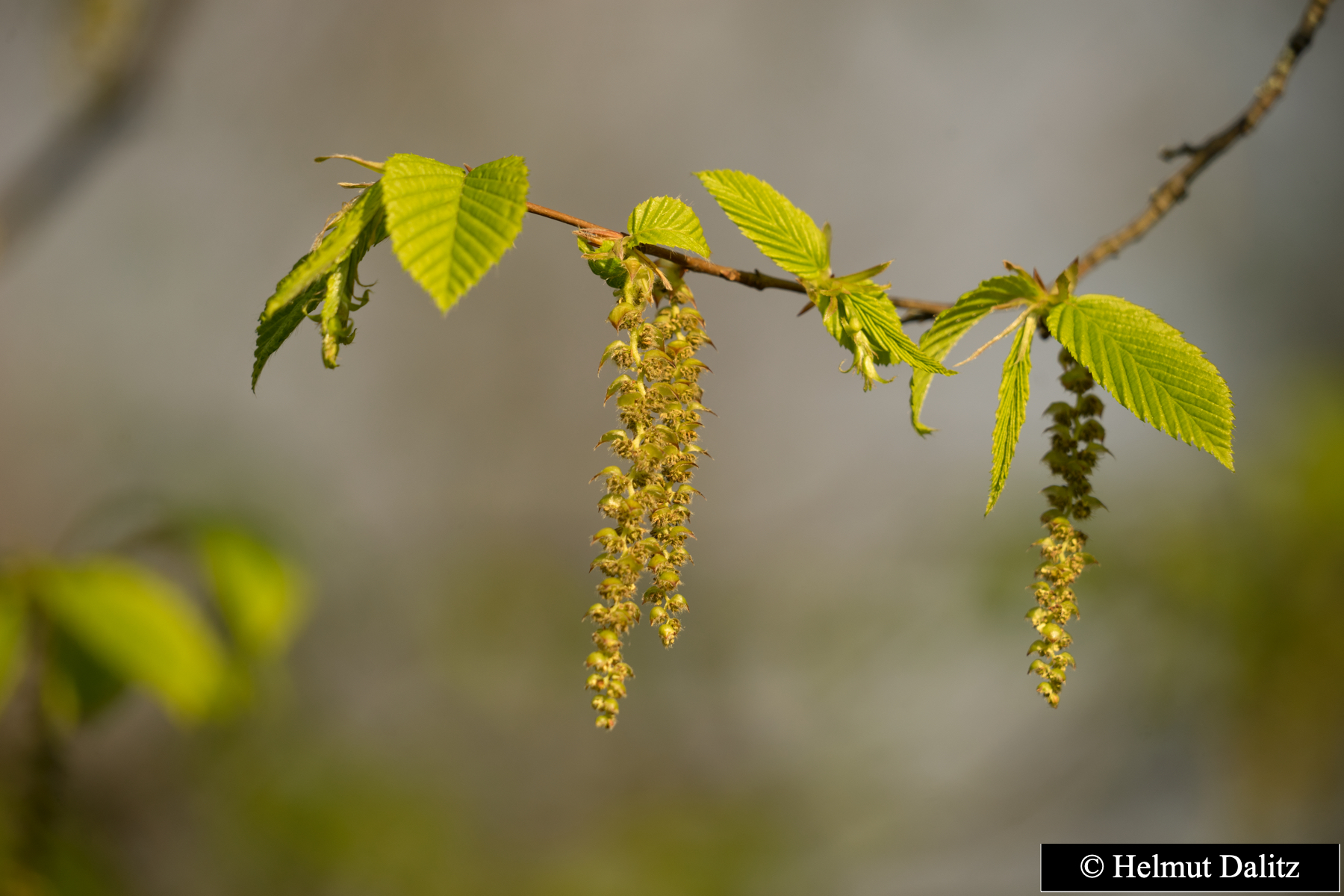
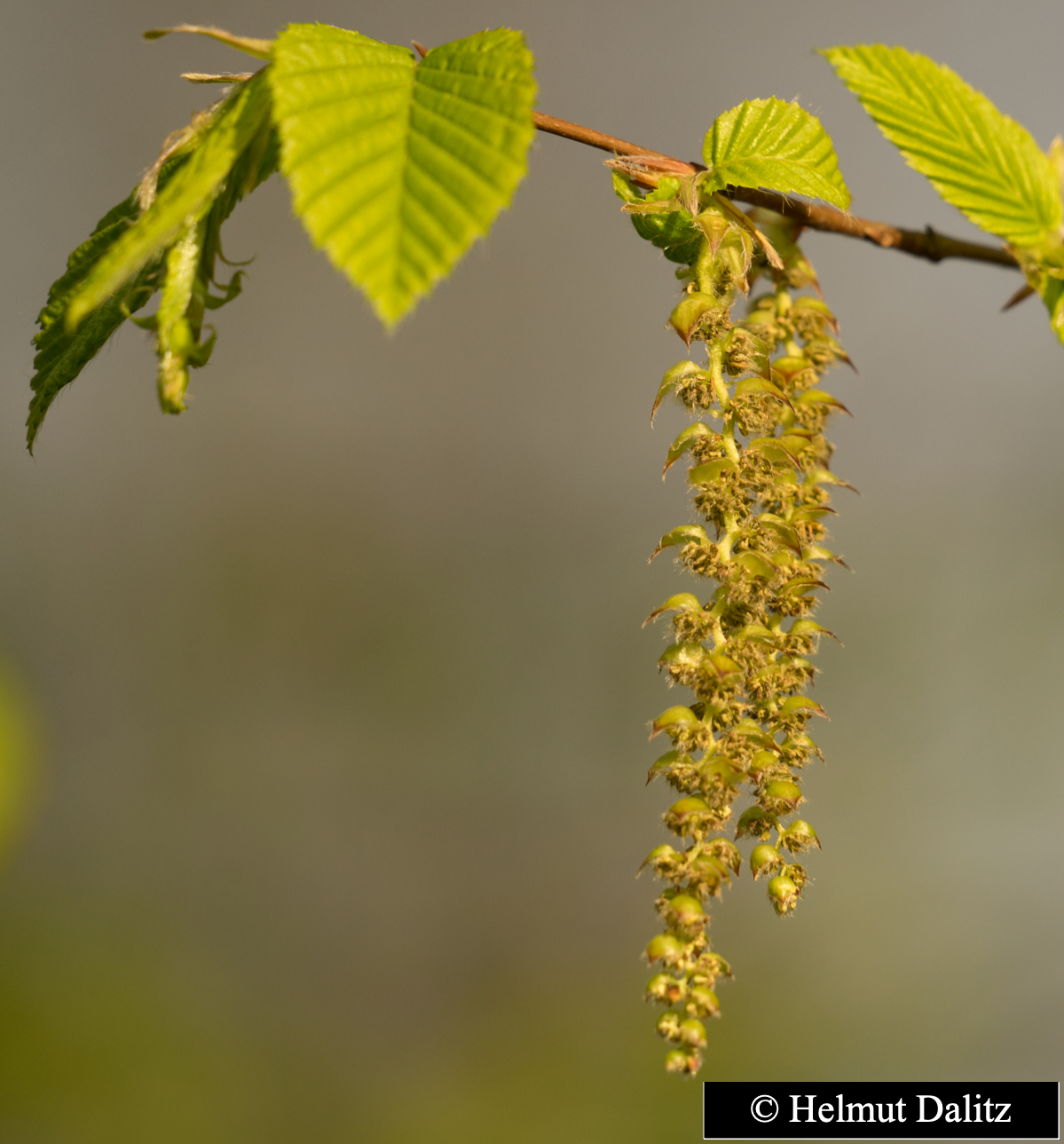
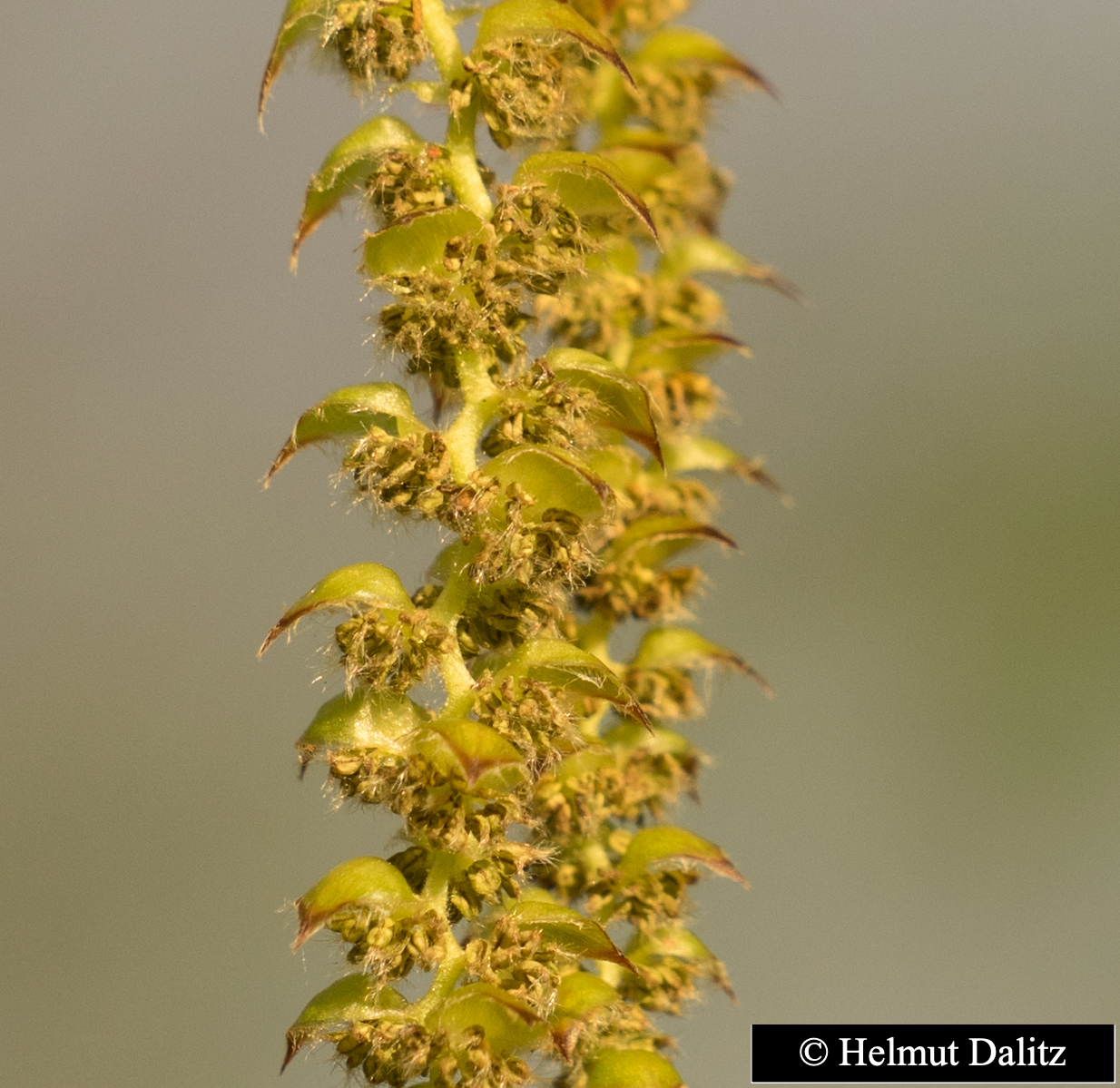
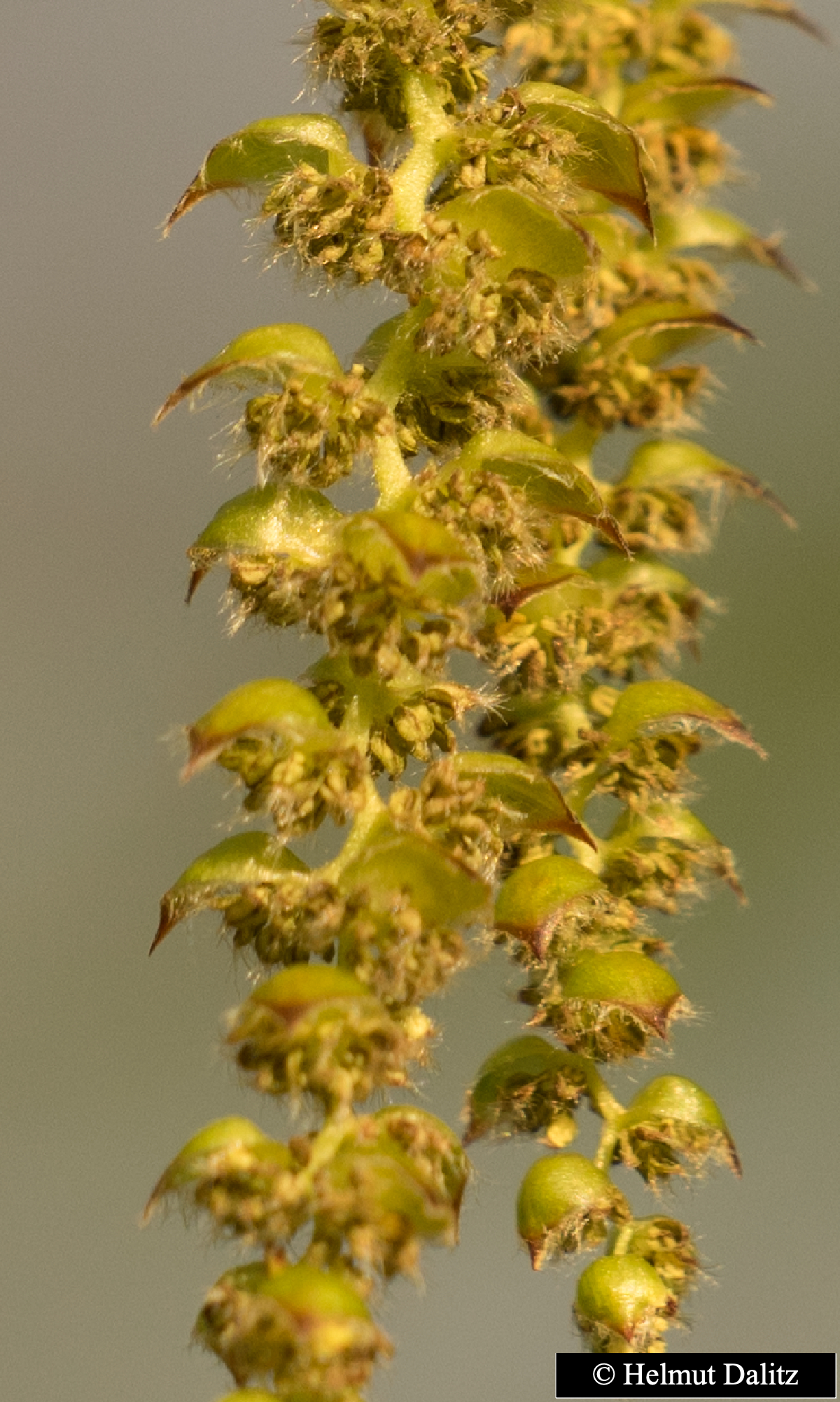
- Color of flower
- green
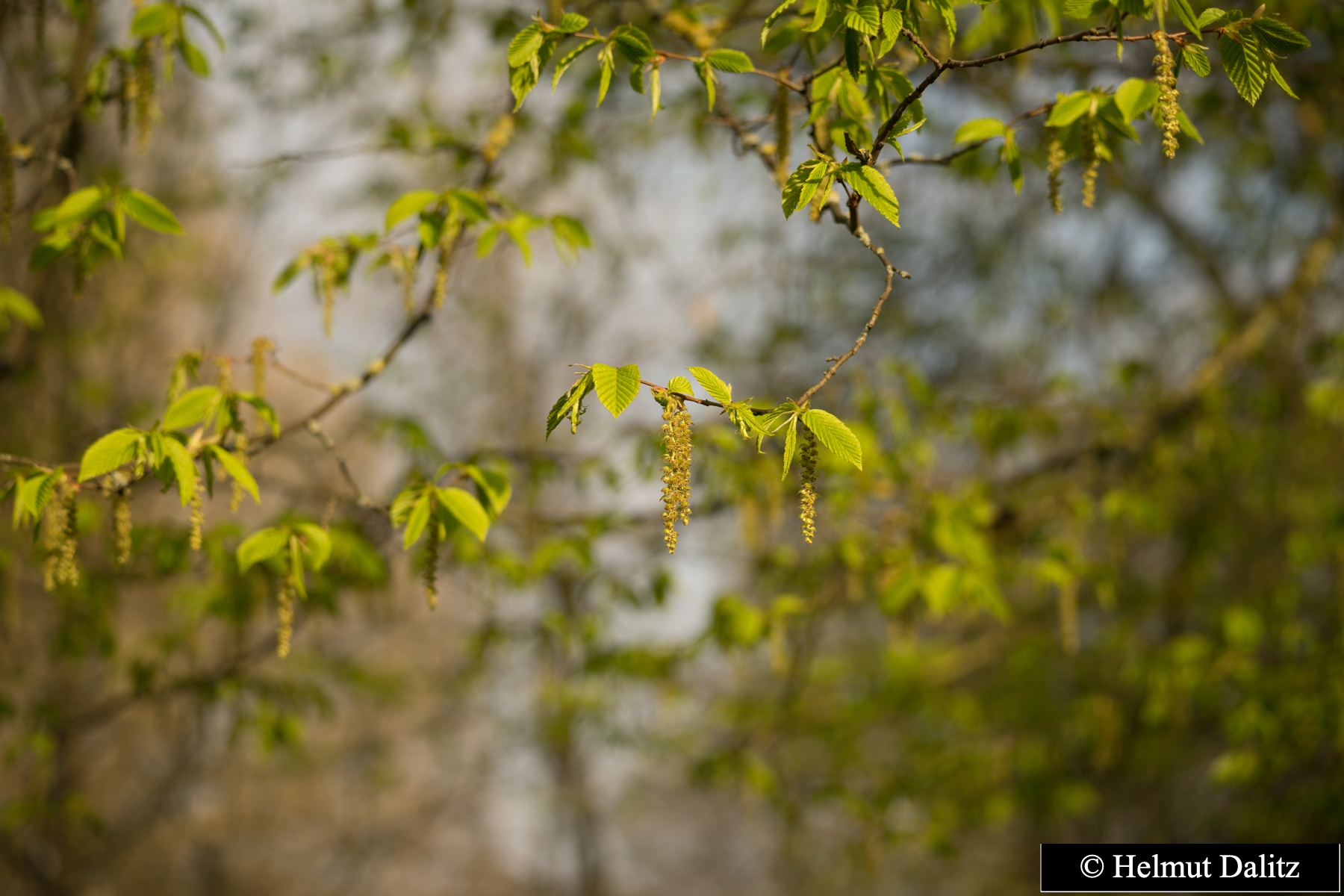
- Flowers
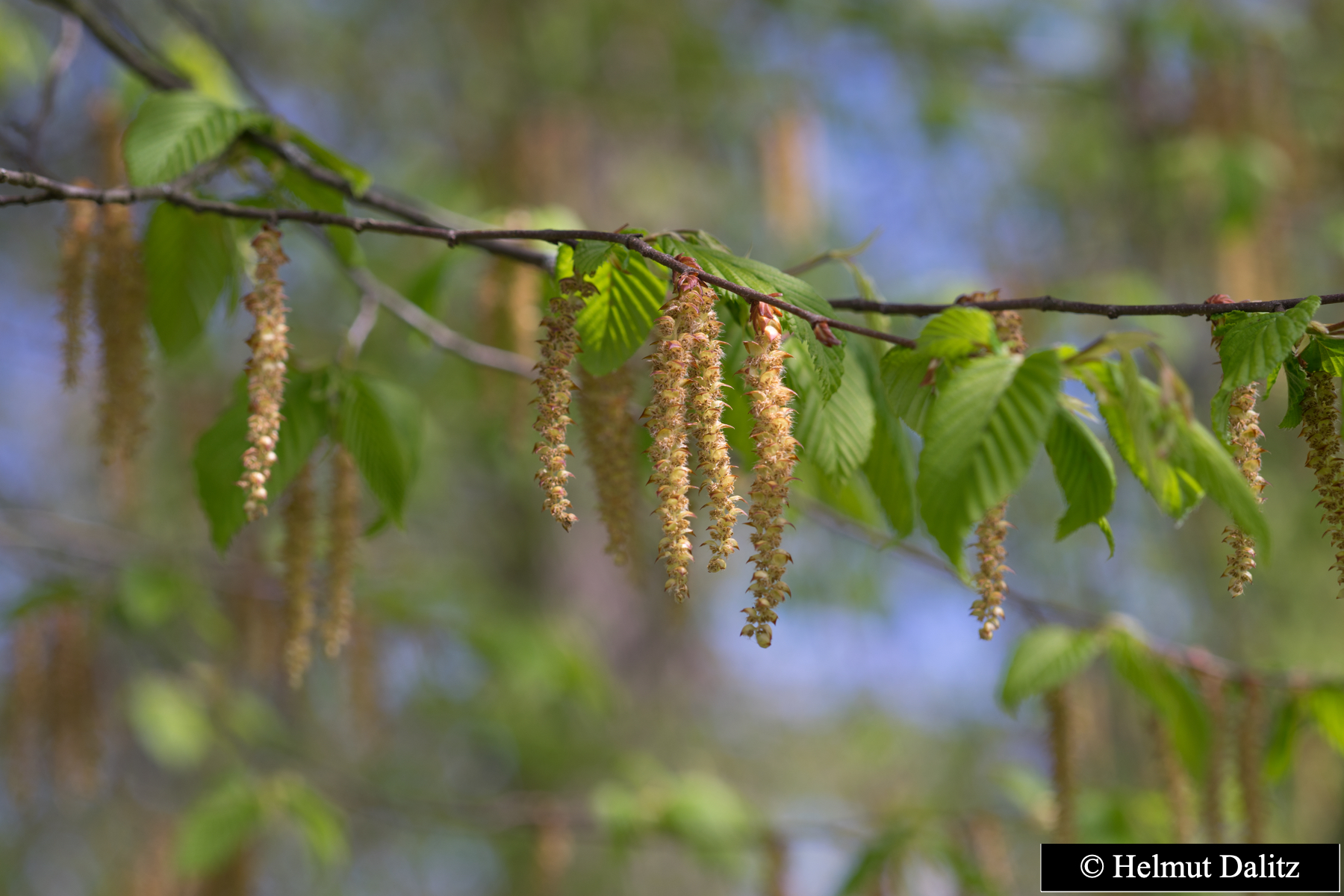
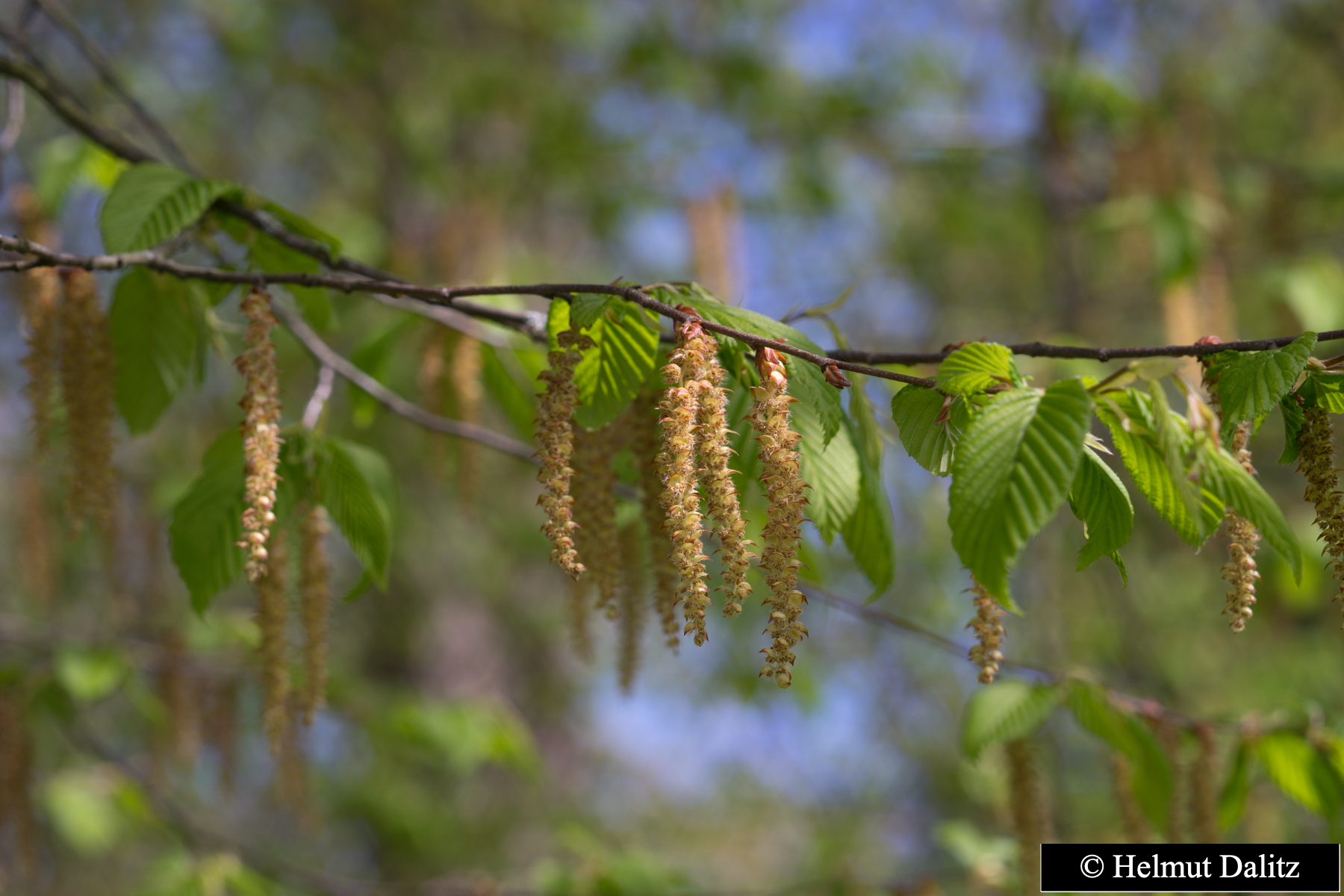
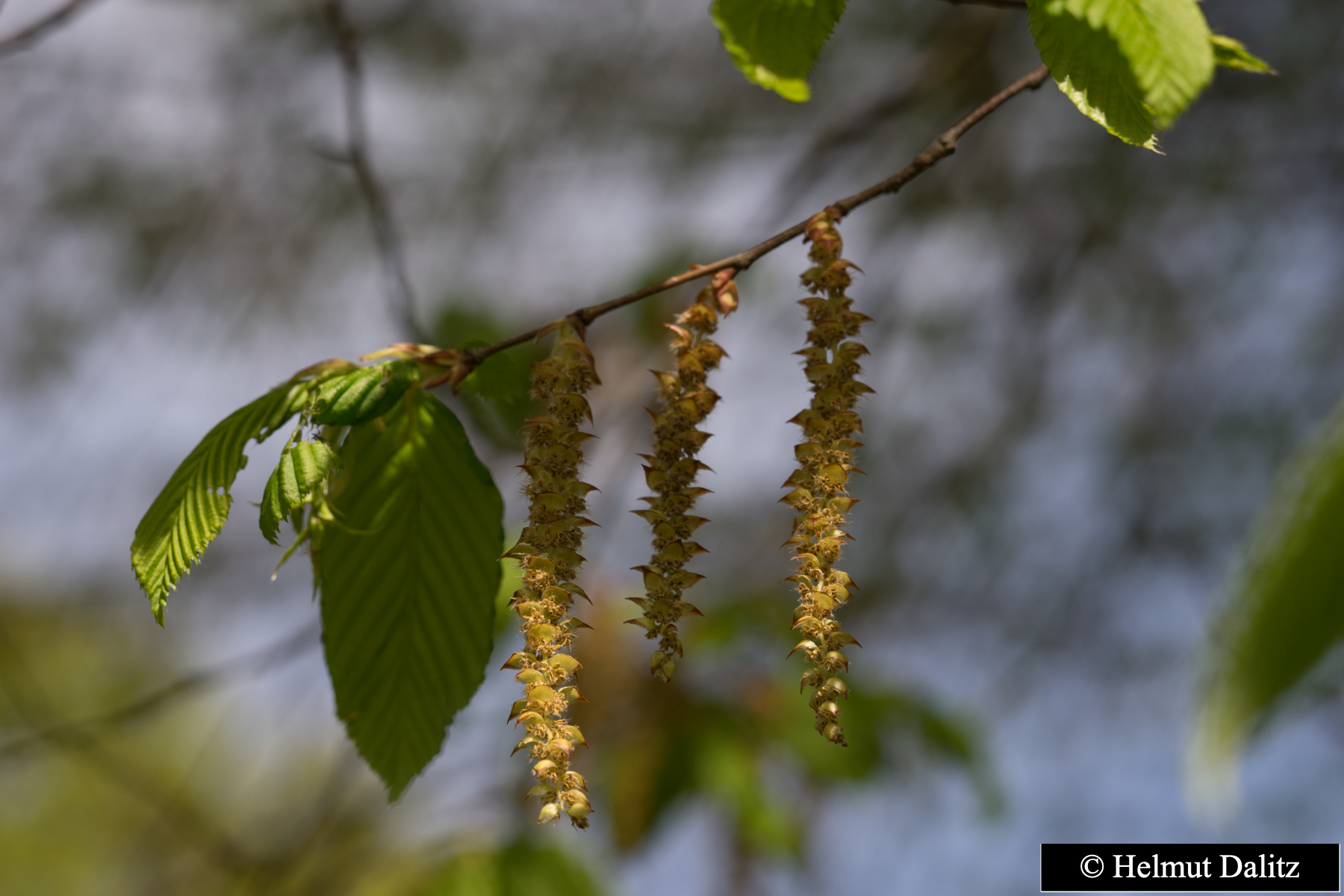
- monoecious; male and female flowers arranged in catkins
- Flower ecology
- wind-pollinated (anemophilous)
- Life form
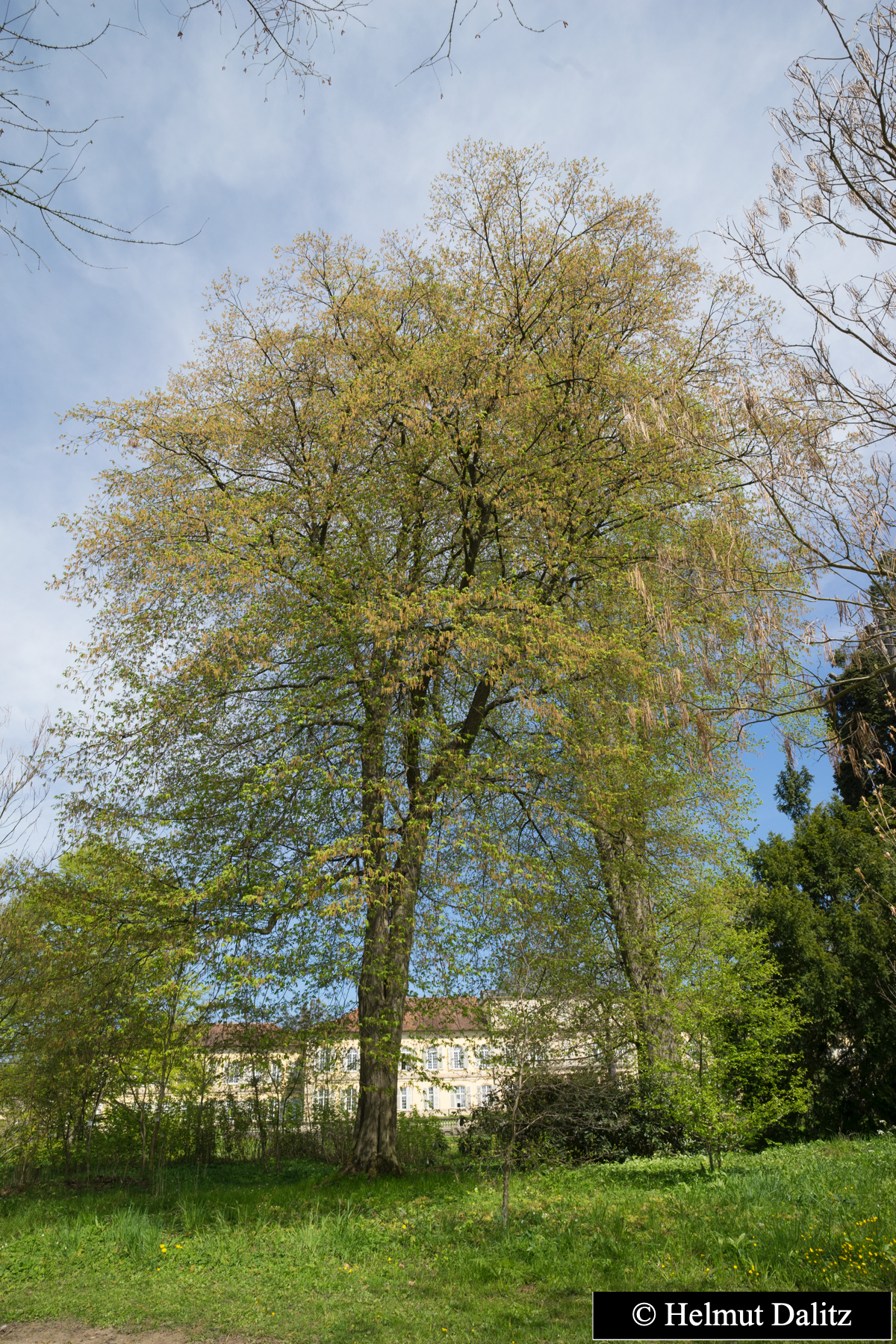
- woody, tree
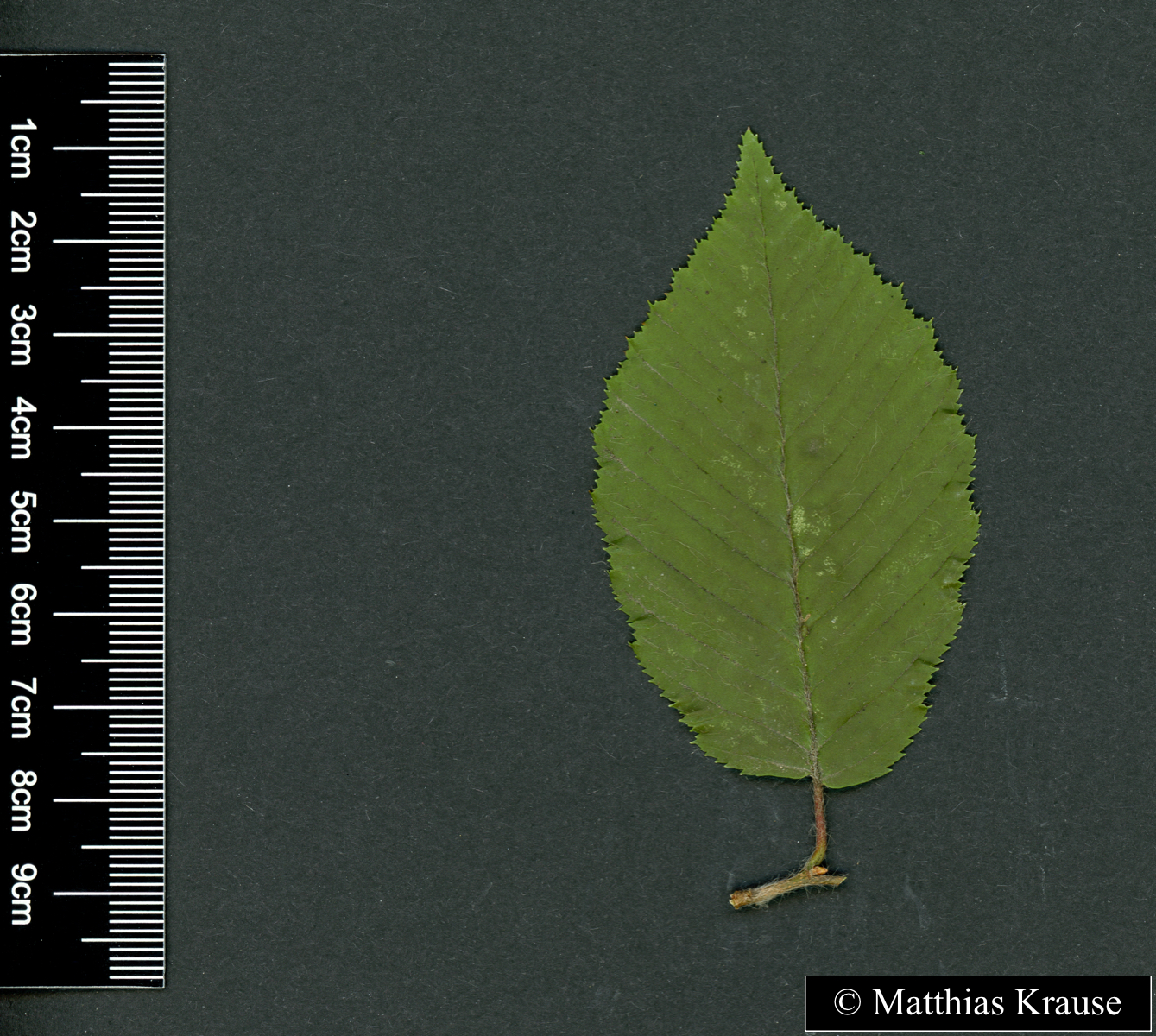
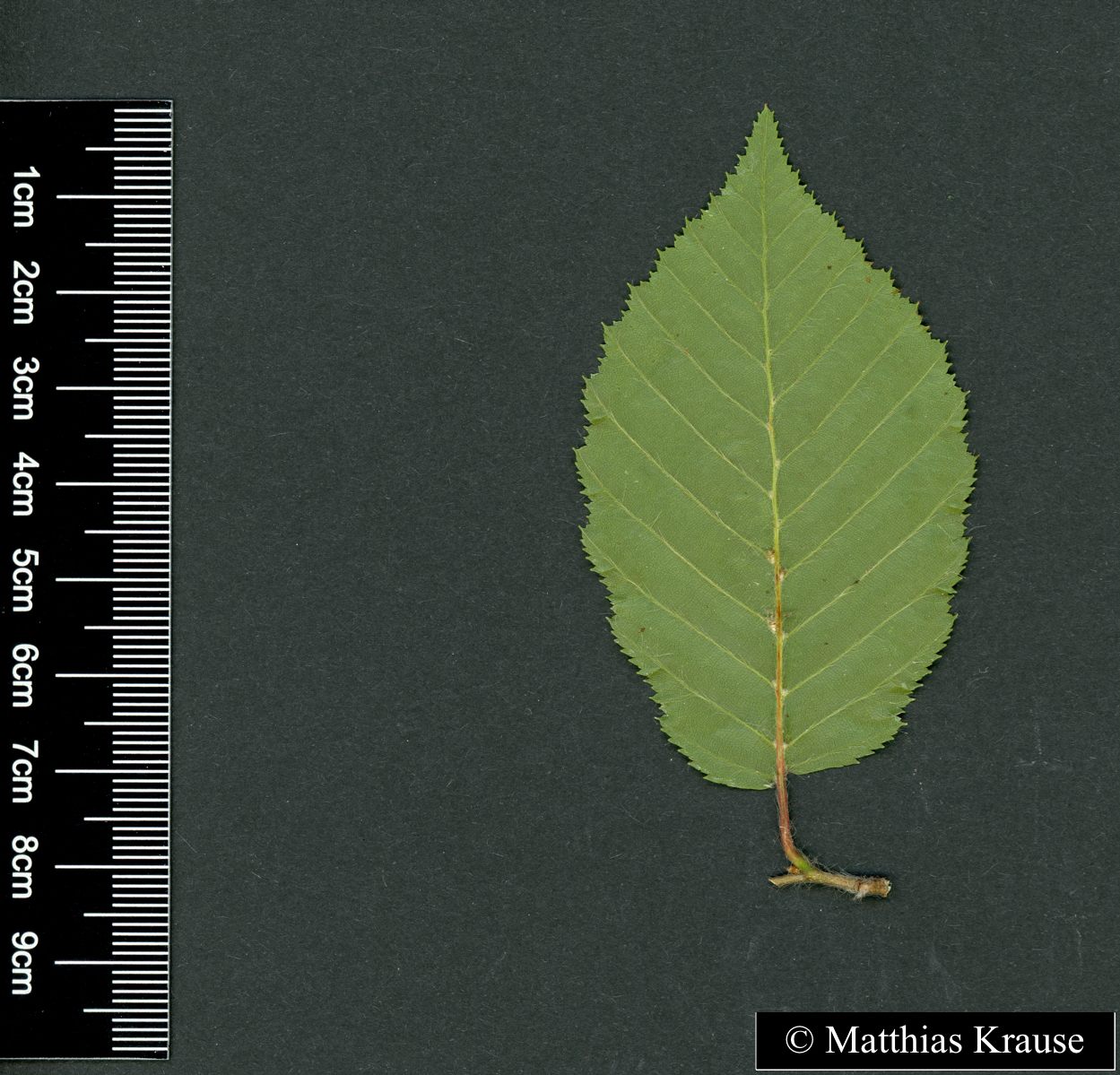
- Leaves
- dark-green, at the base somewhat heart-shaped; alternate
- Foliage persistence
- deciduous
- Fruits
- nut fruit with tripartite, aliform involucre
- Fruit ecology
- wind-dispersed (anemochorous)
- Soil conditions
- tolerant to a wide amplitude of moisture levels; preferentially on fresh to moderately dry, moderately nutrient-rich, usually slightly acidic, humus-rich, deep sandy and loamy soils
- Light conditions
- shade-loving tree (partial to full shade plant)
- Root type
- deep-rooted
- Natural occurrence (habitat)
- grass- and herb-rich bottomland deciduous forests, oak-beech forests, mixed forests, hedgerows, forest edges, shrubs; oak-hornbeam forest; in summer-warm climates
- Comment to ecology
- hardy
- Vegetation typ and synecology (plant community)
- temperate broad-leaved and mixed mesophytic forests; character species of the Carpinion, further occurs in the Prunetalia scrub
- Constraints according soil conditions
- not salt-tolerant
- Status of alien naturalisation
- native
- Usage
- the wood is heavy and very hard (harder than wood of oak and beech) and is used for tools and building construction; serves as a very suitable firewood
Erhardt, W., Götz, E., Bödeker, N. & Seybold, S. (2008): Der große Zander. Enzyklopädie der Pflanzennamen. Band 2. Arten und Sorten. Eugen Ulmer KG, Stuttgart (Hohenheim), 18. Aufl., 2103 S.; Haider, M. et al. (2005): Wildbienenkataster. See: https://www.wildbienen-kataster.de; Pritsch, Günter et al. (1985): Bienenweide.. Neumann-Neudamm, Melsungen; Westrich, P. et al. (2018): Die Wildbienen Deutschlands.. Ulmer Verlag ISBN 978-8186-0123-2.;