
Wissenswertes zum Taxon (Art, Unterart, Varietät...)
Rhinanthus alectorolophus (Scop.) Pollich
Orobanchaceae
- Sommerwurzgewächse (APG IV)Zottiger Klappertopf
Quelle: Schmeil-Fitschen 2019
Verbreitung: Europa: Frankreich, Italien, Mitteleuropa, östliches Mitteleuropa, Slovenien, Ost-Europa
Verbreitungskarte Bundesamt für Naturschutz BfN
Größe: 0,1 - 0,6 m
Blütezeit: V - IX
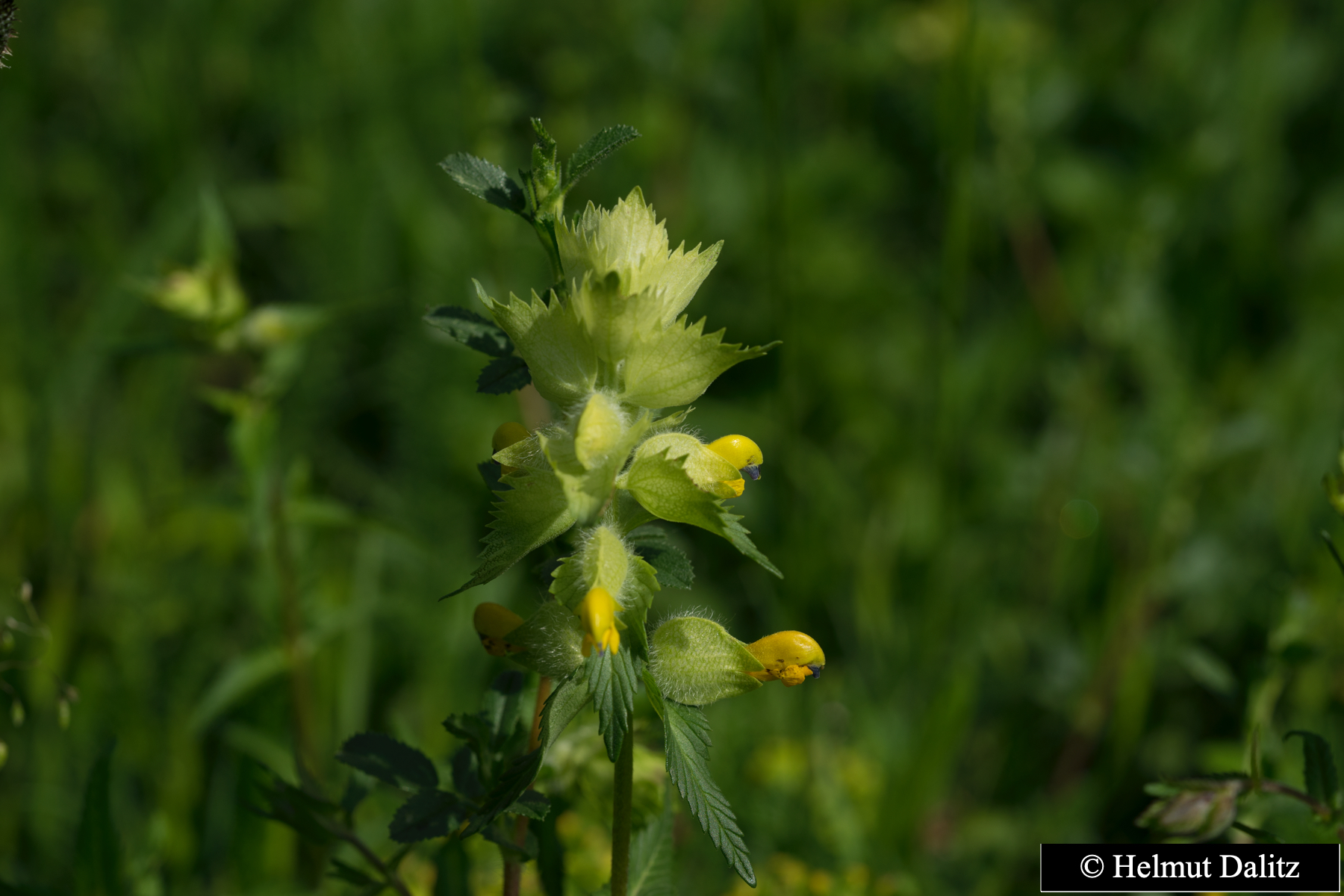
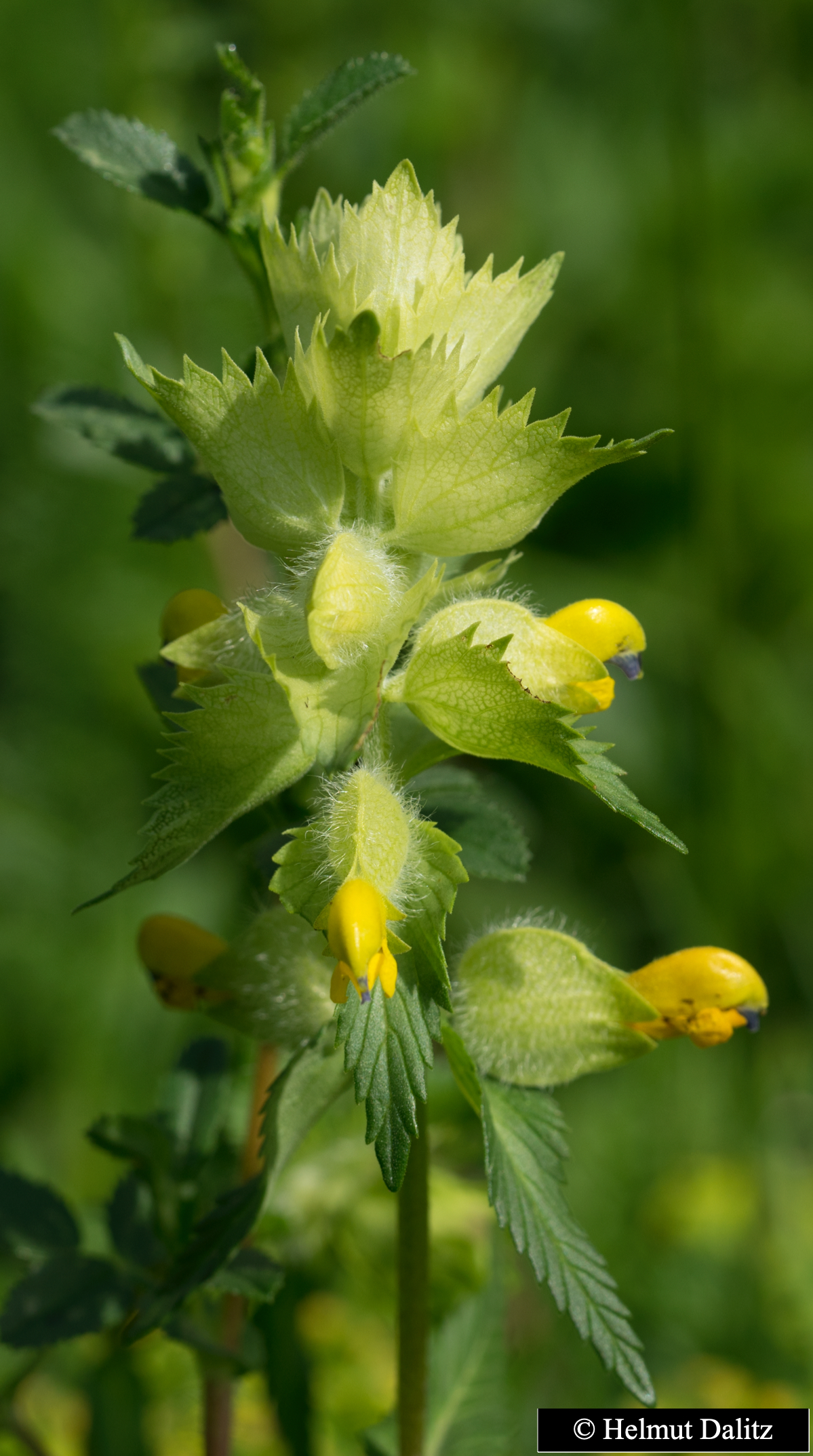
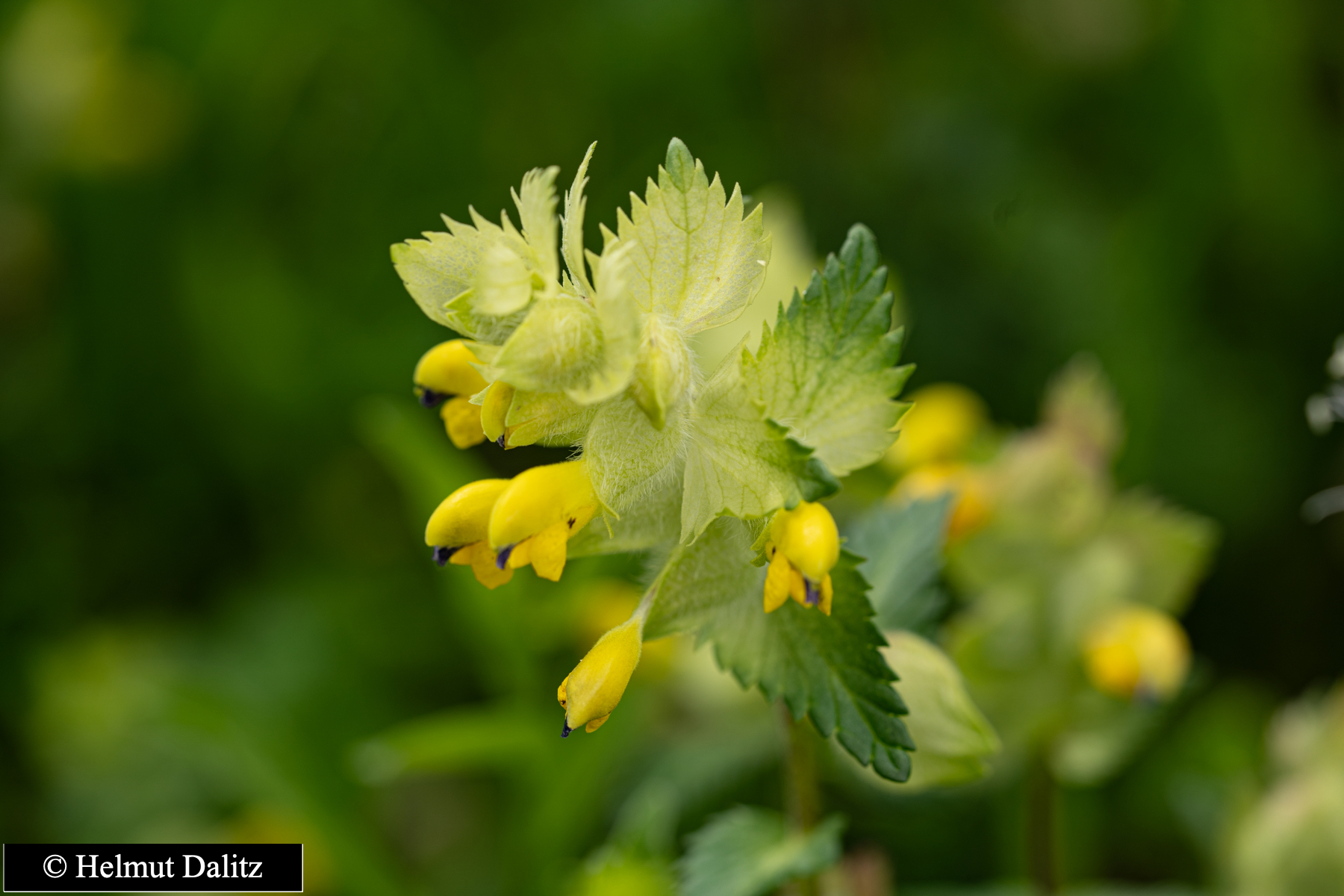
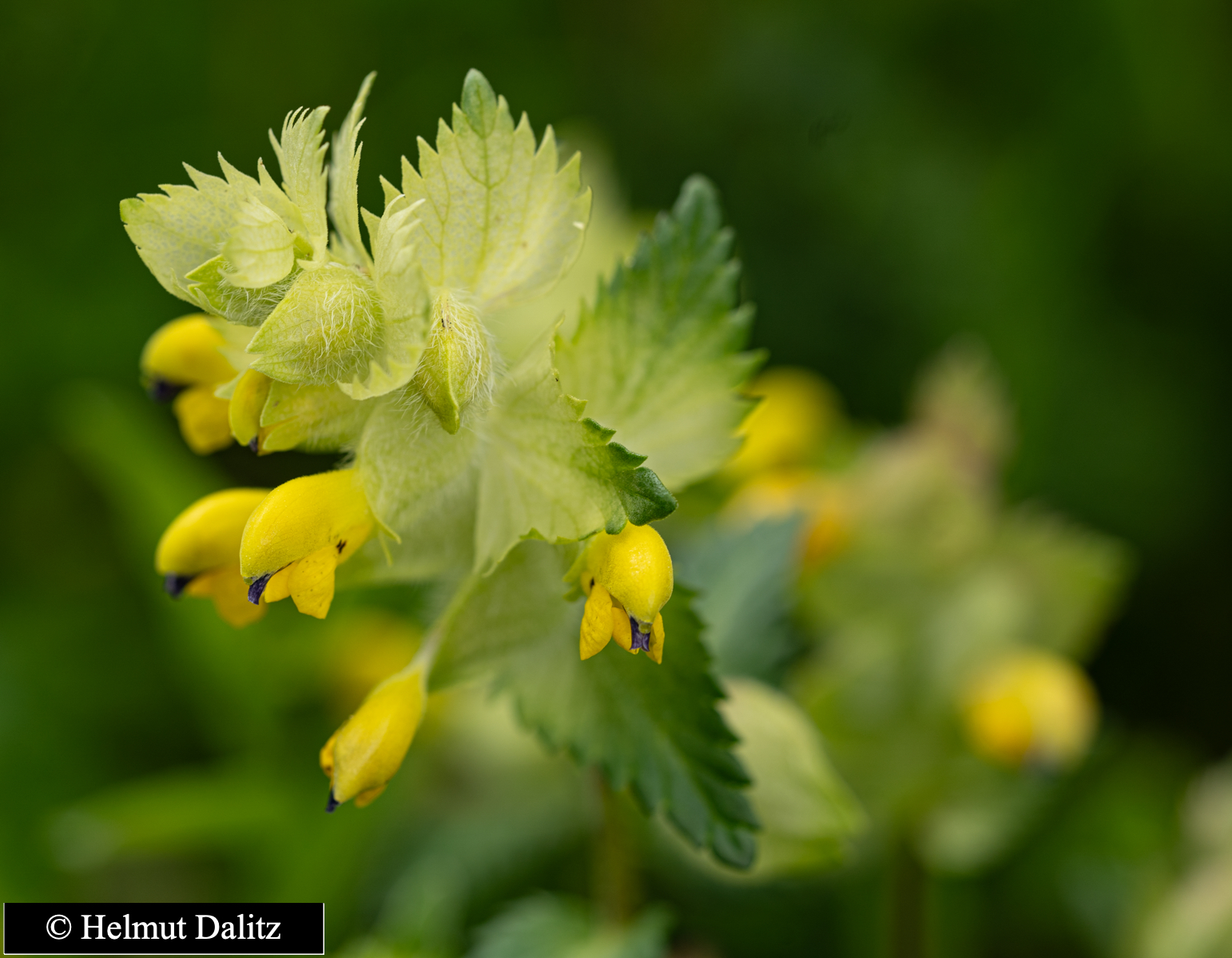
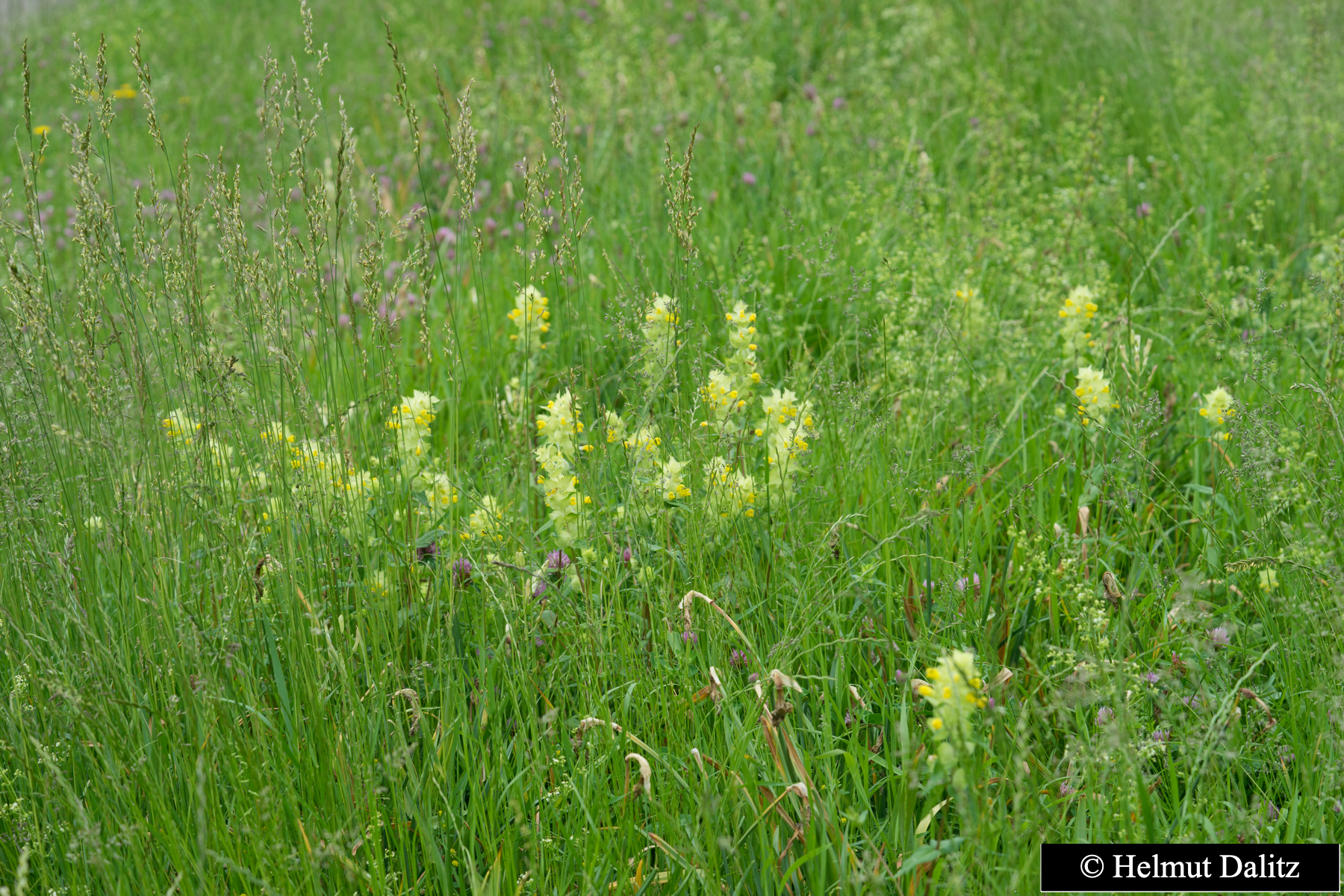
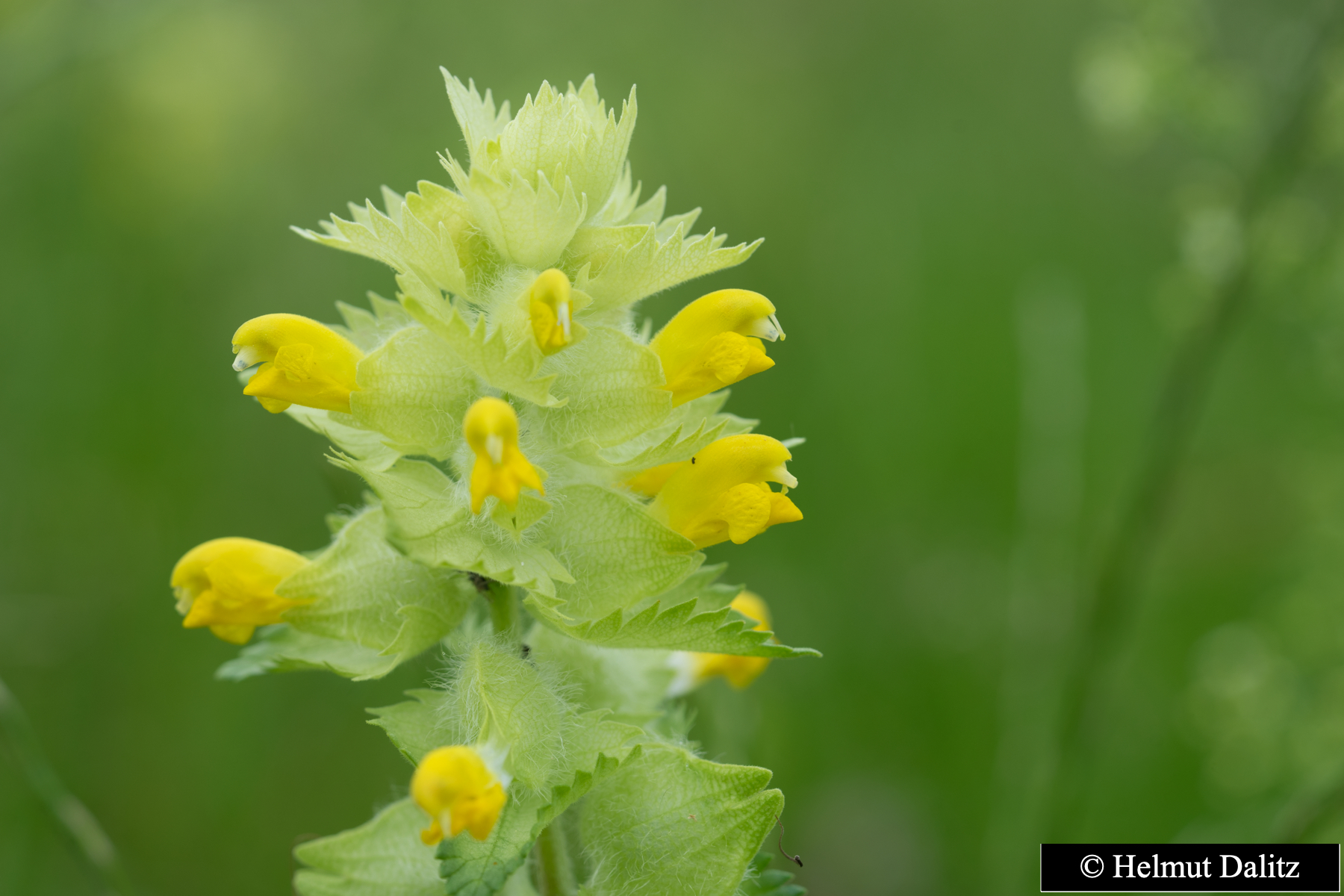
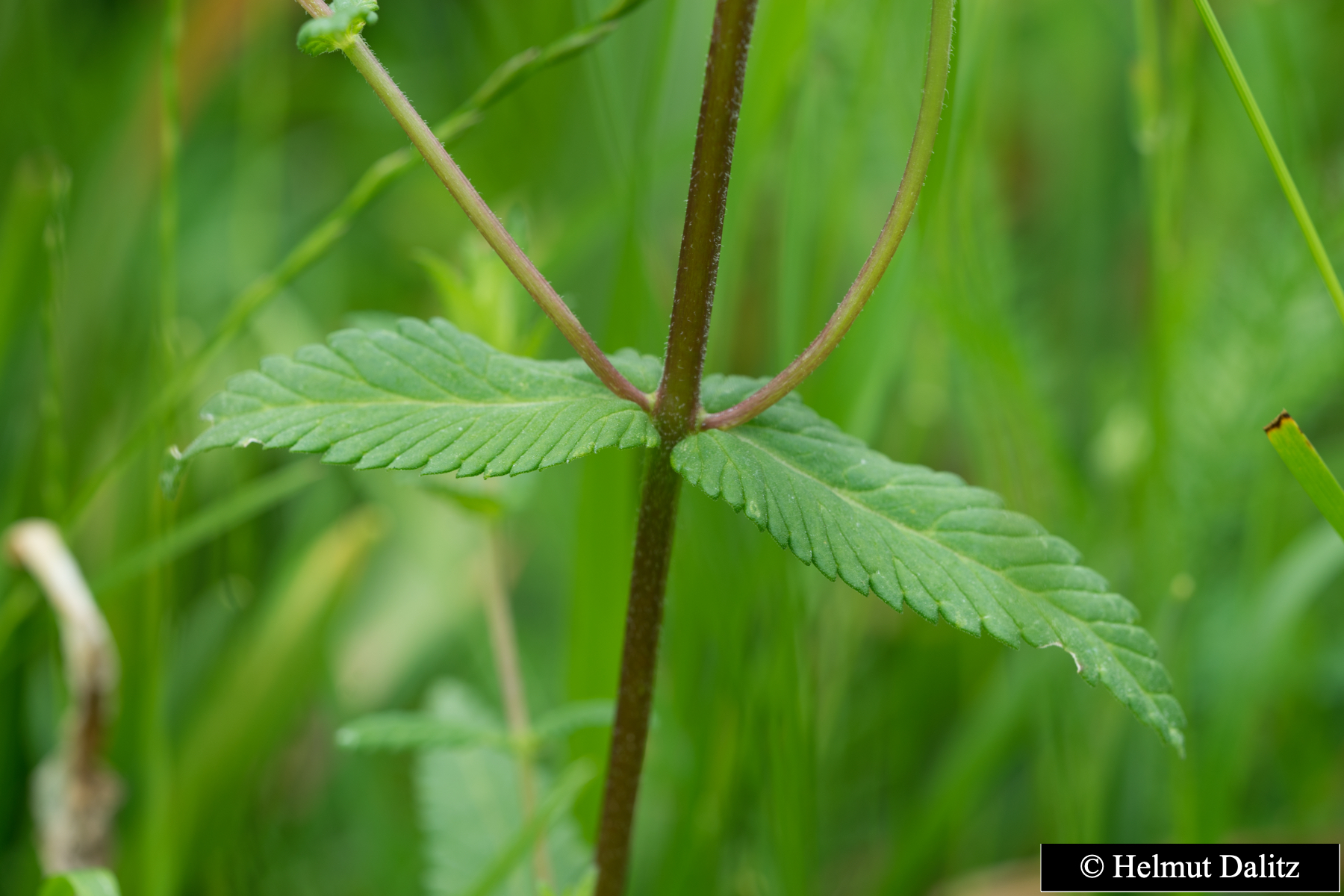
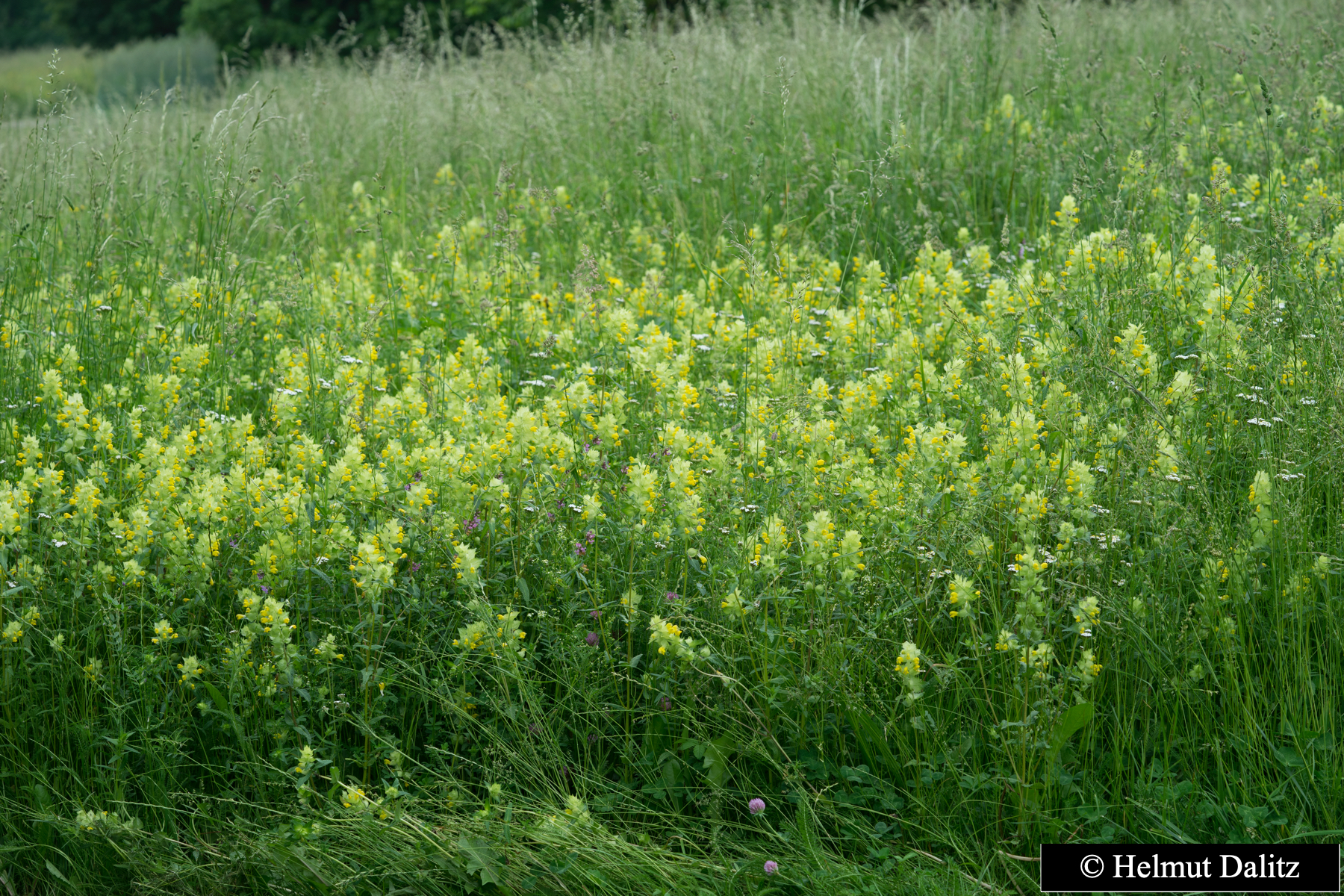
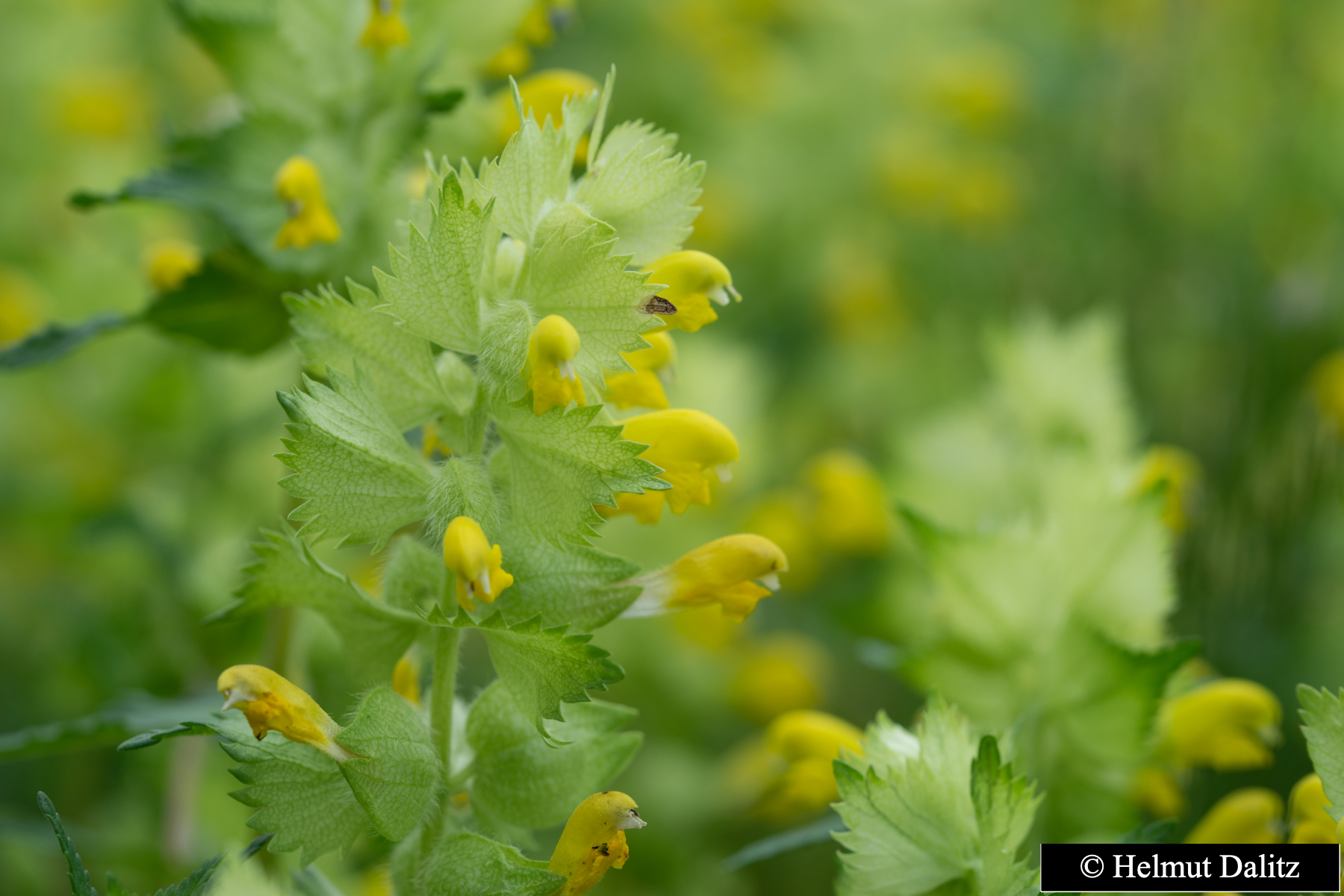
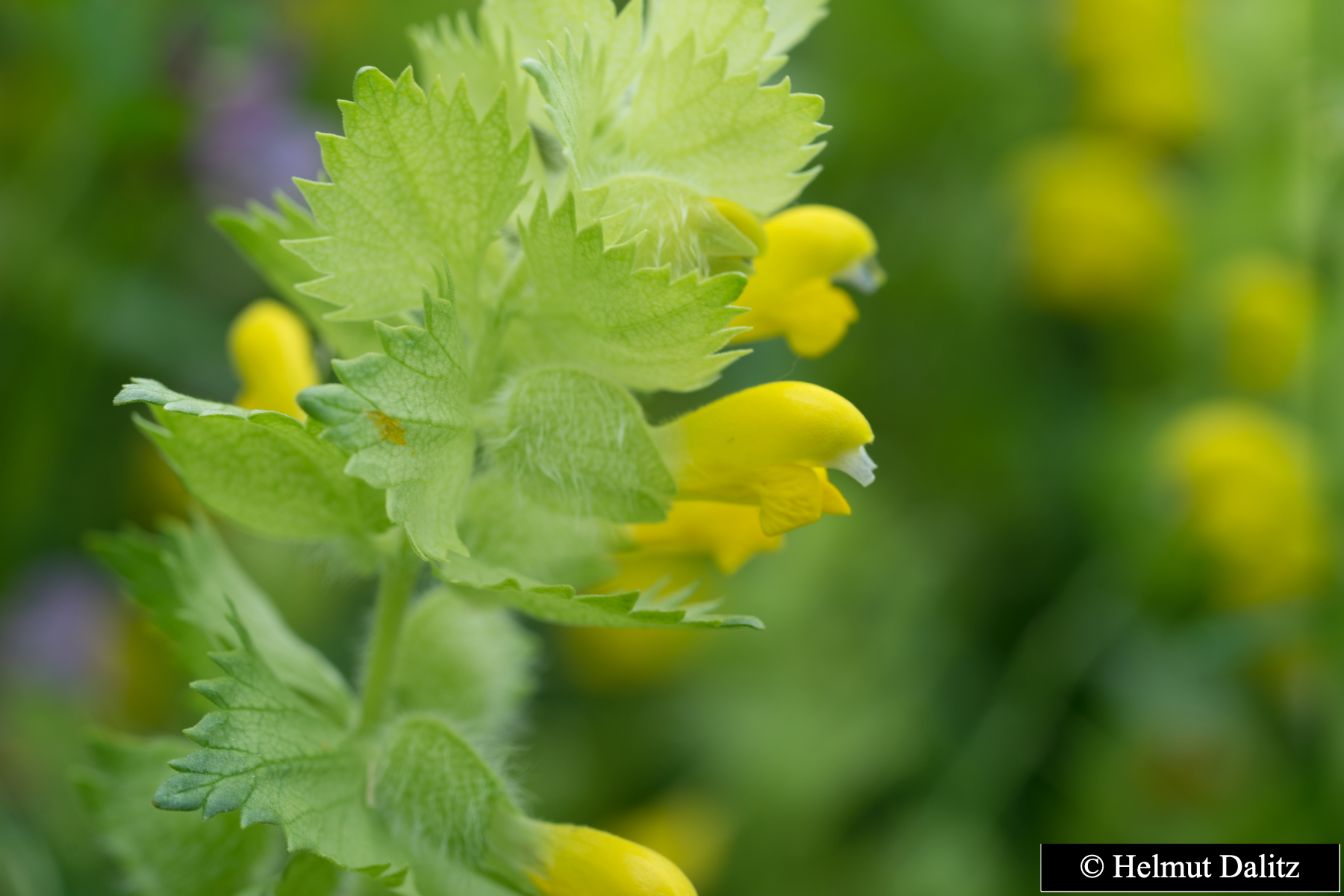
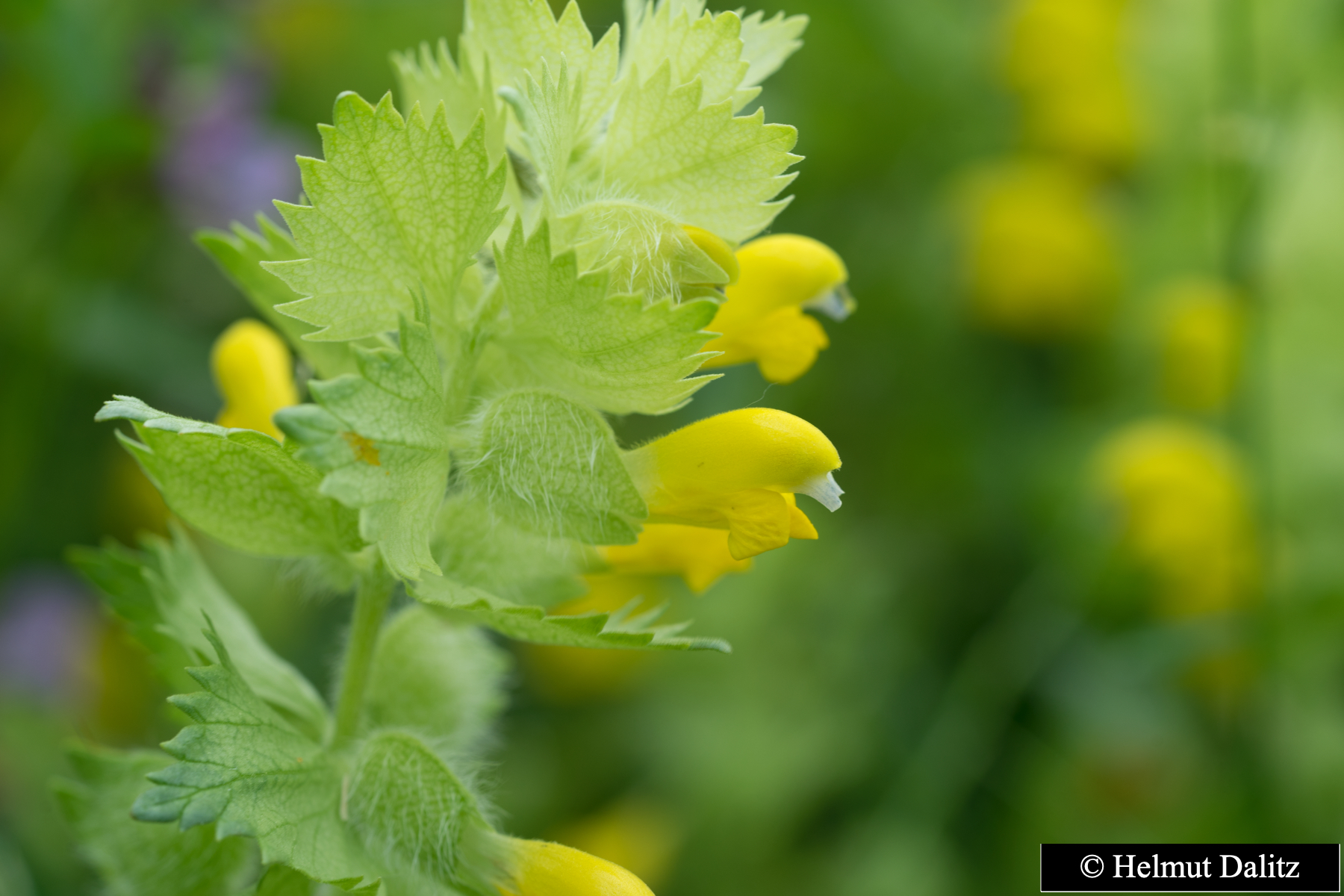
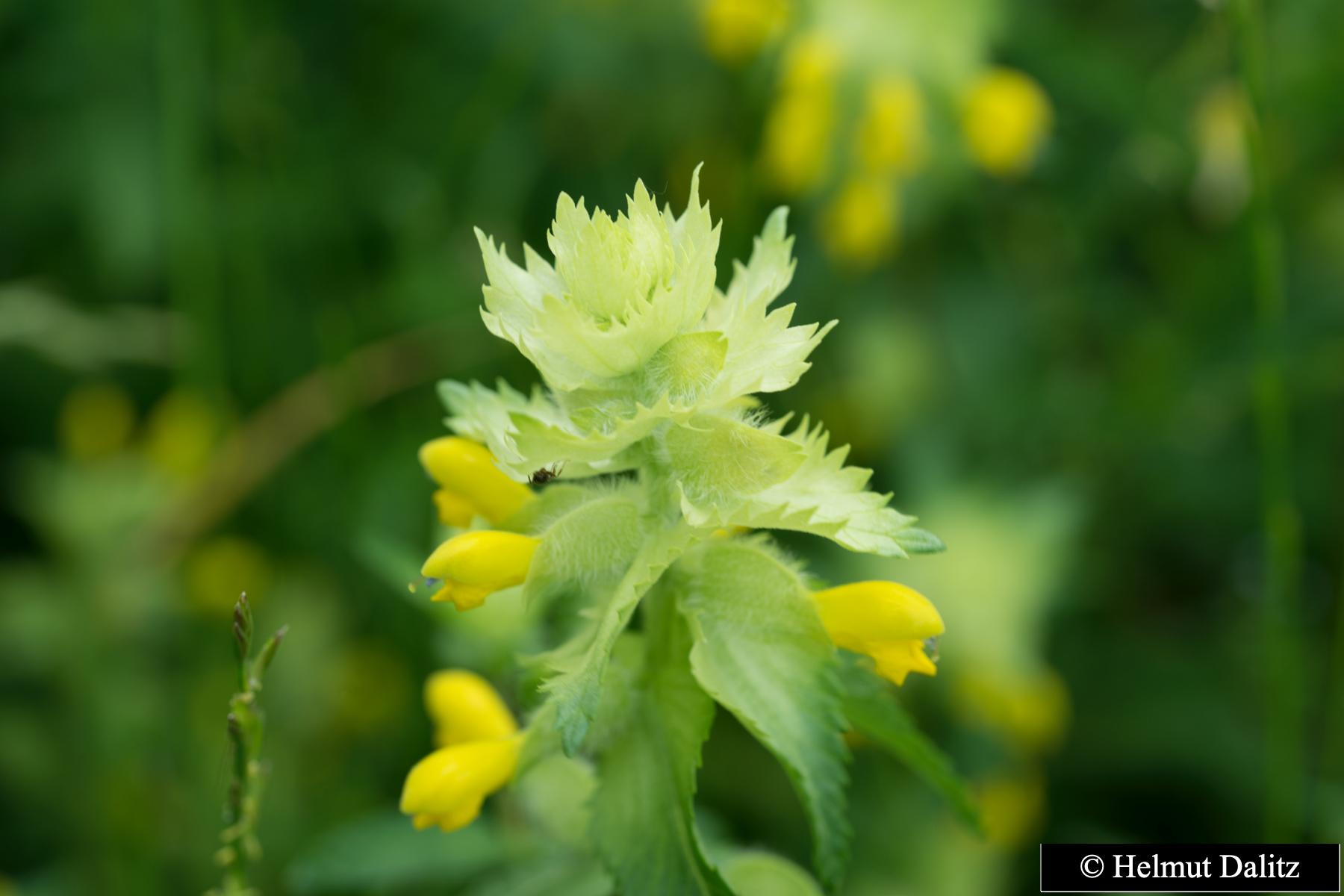
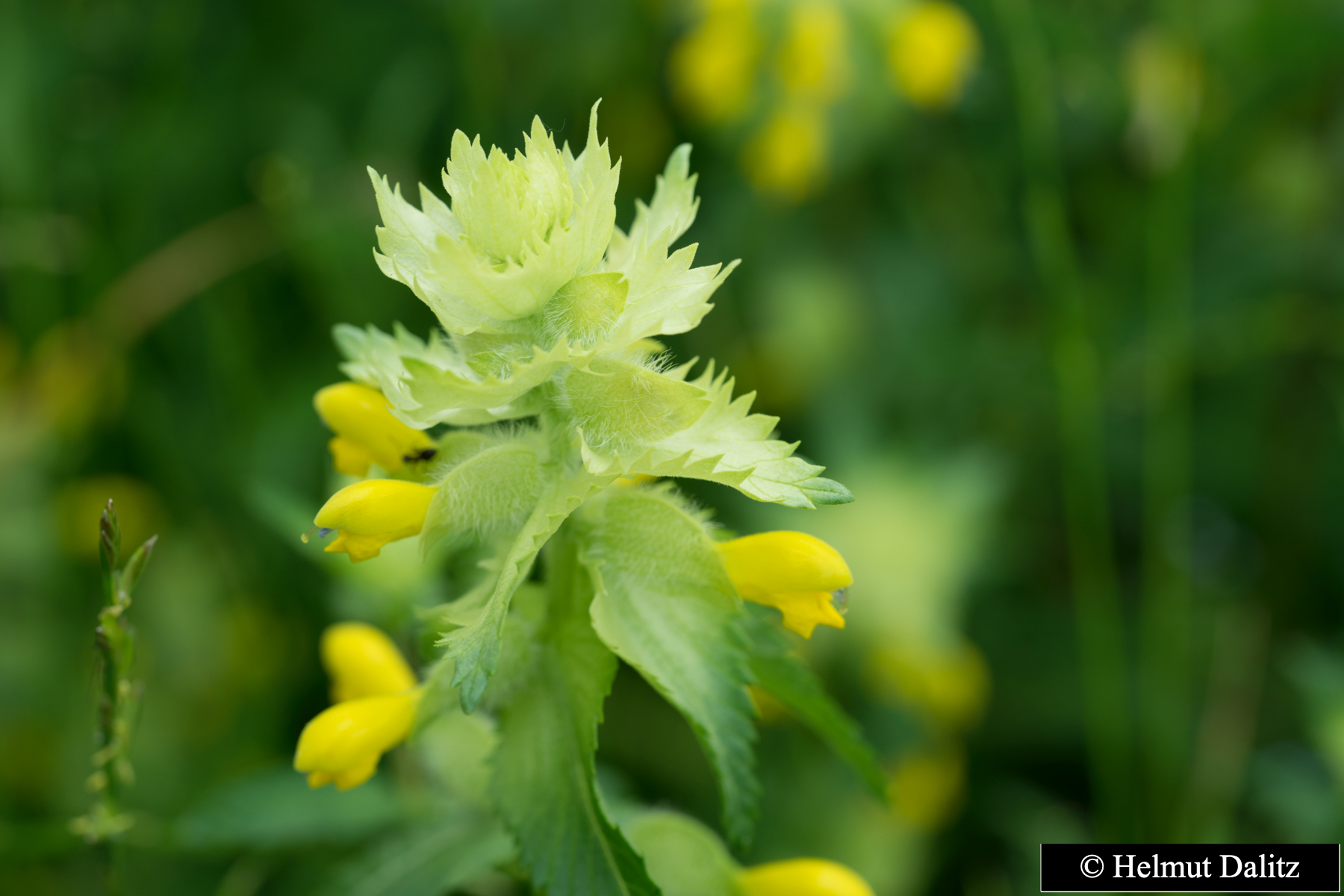
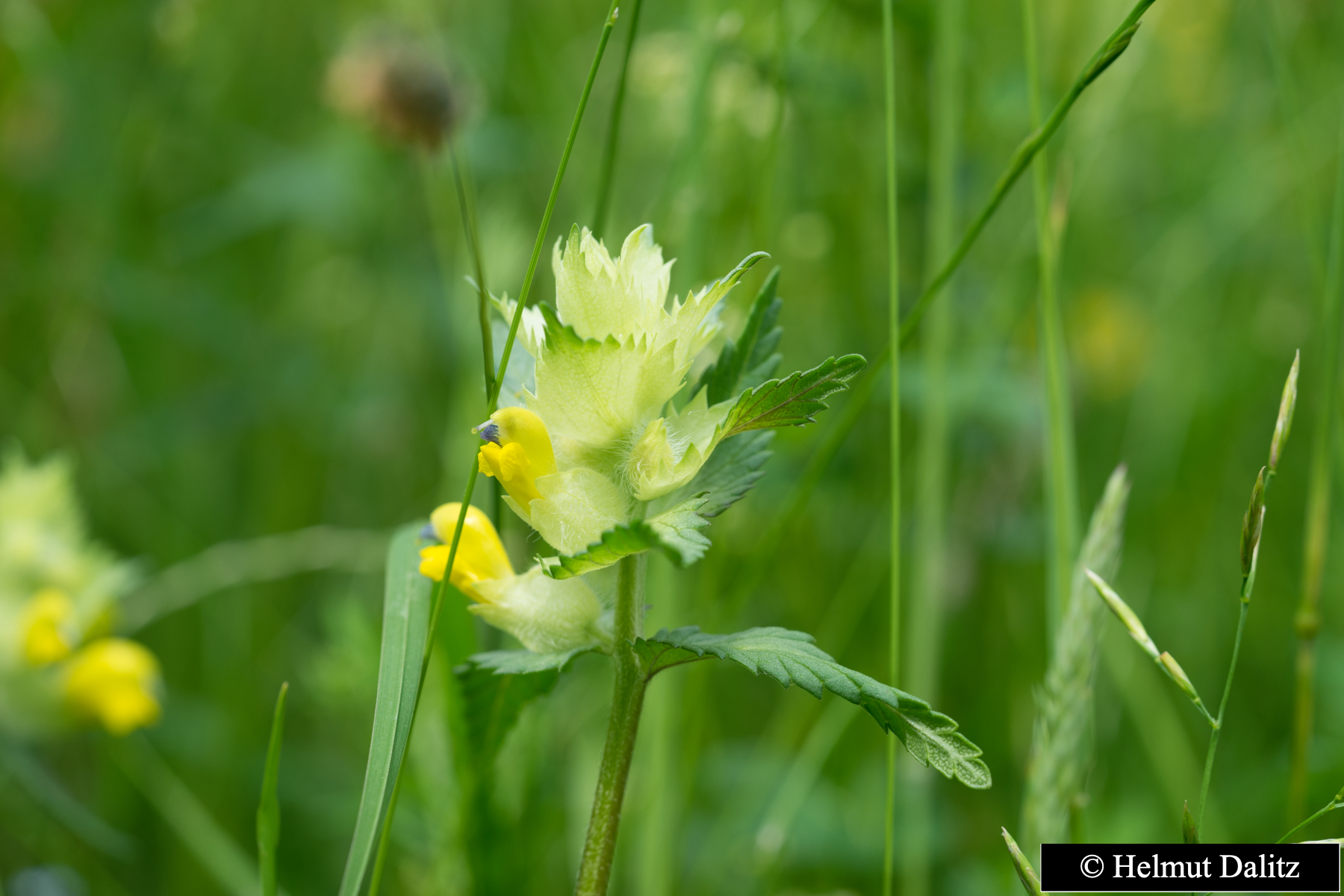
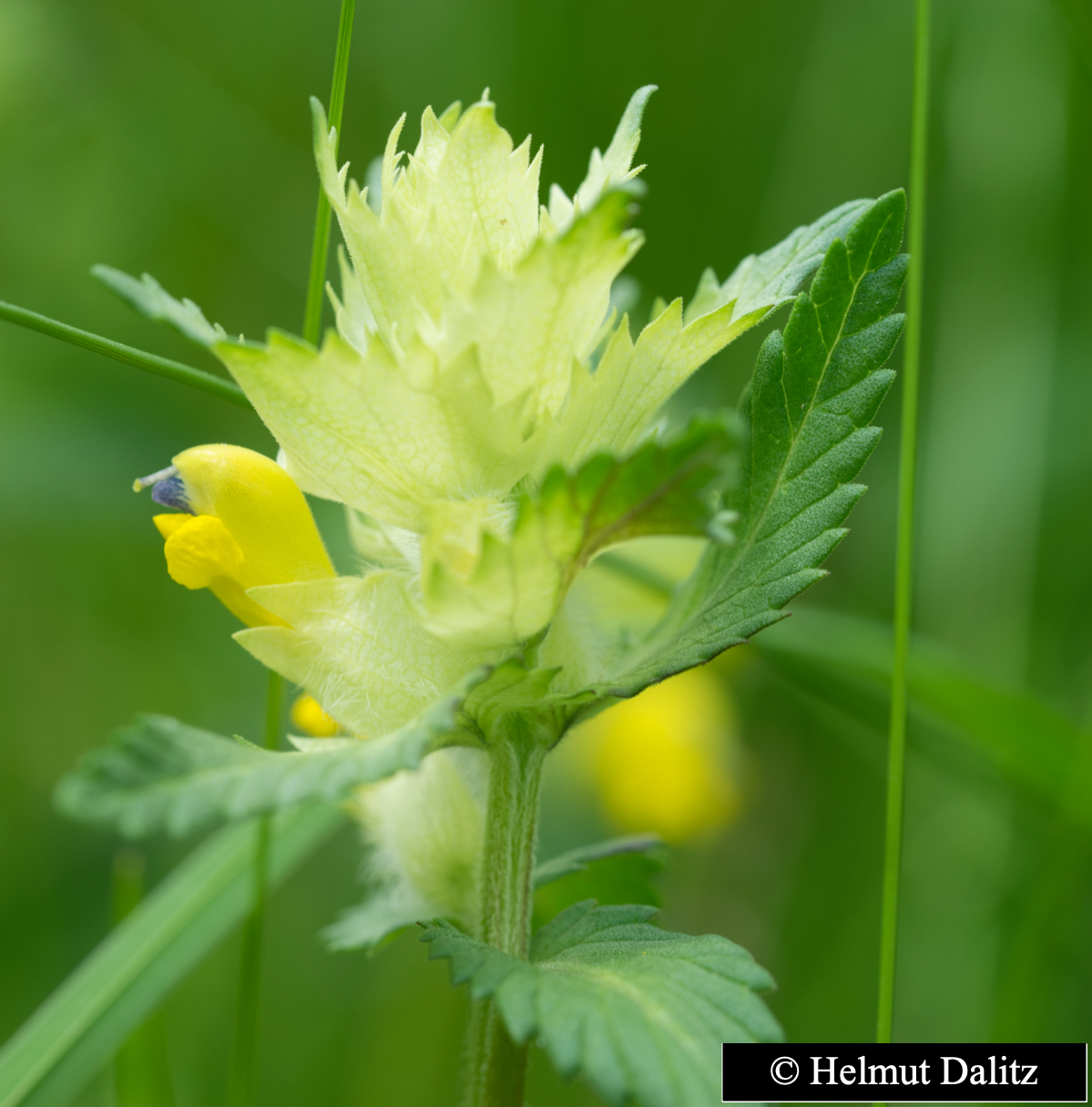
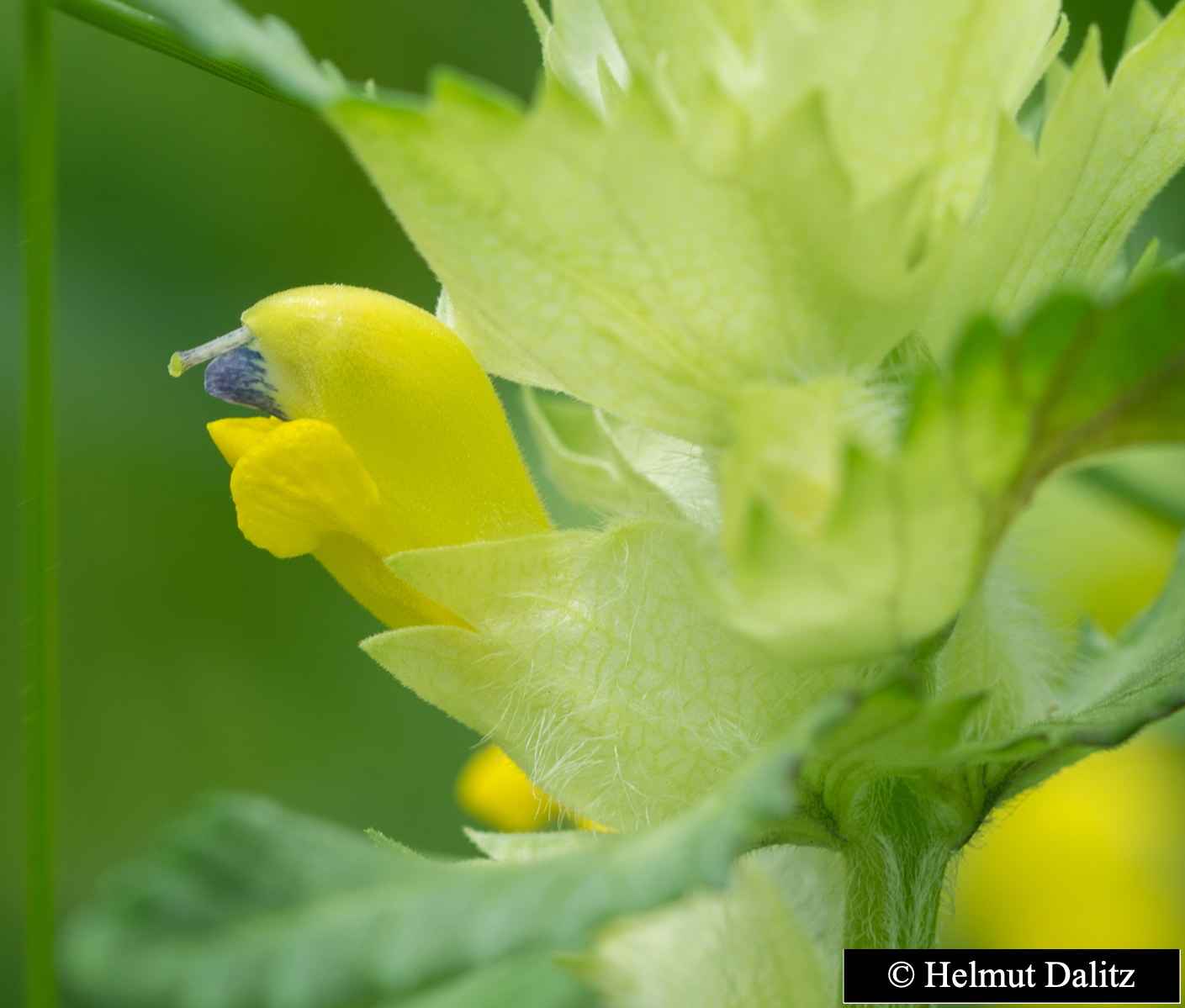
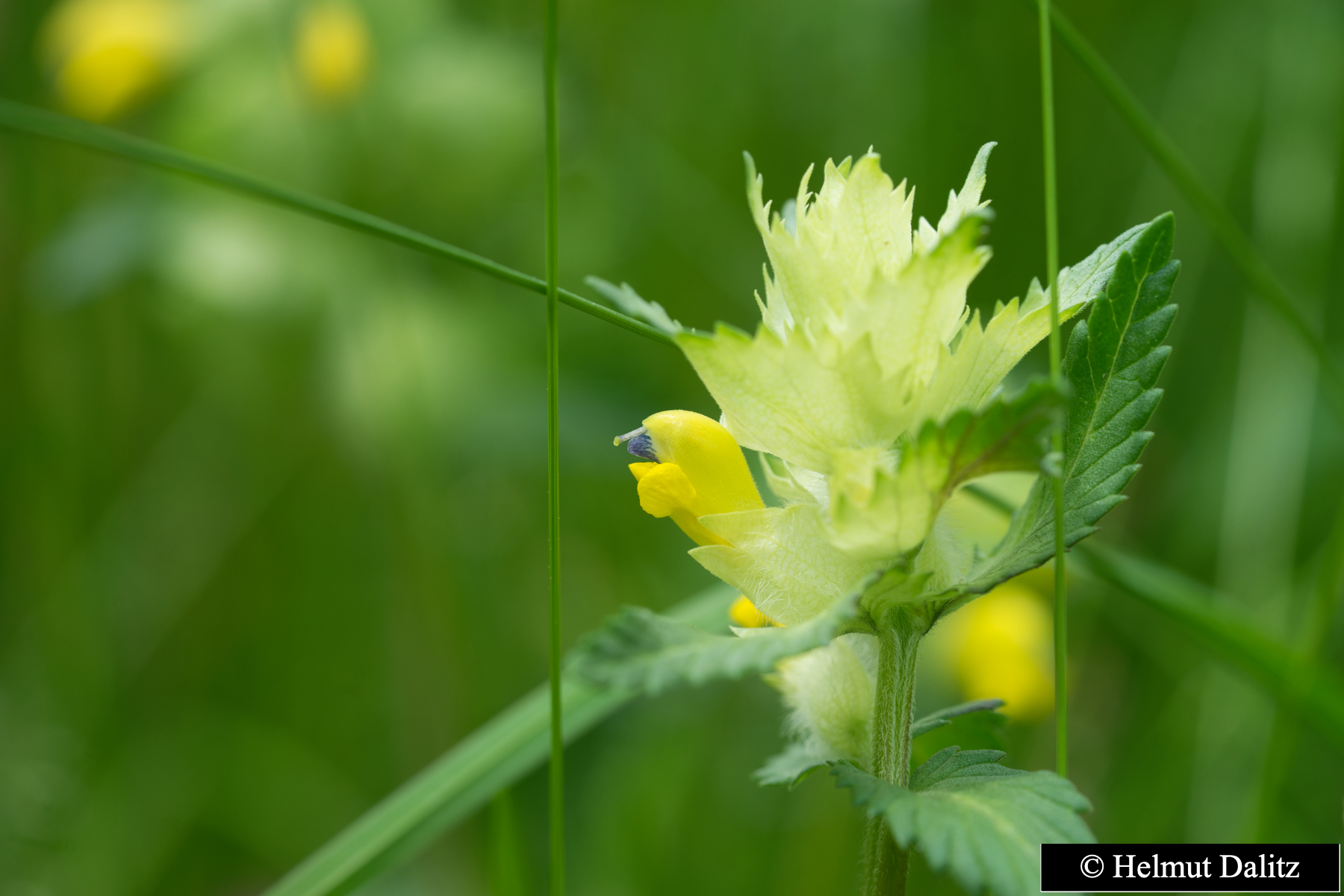

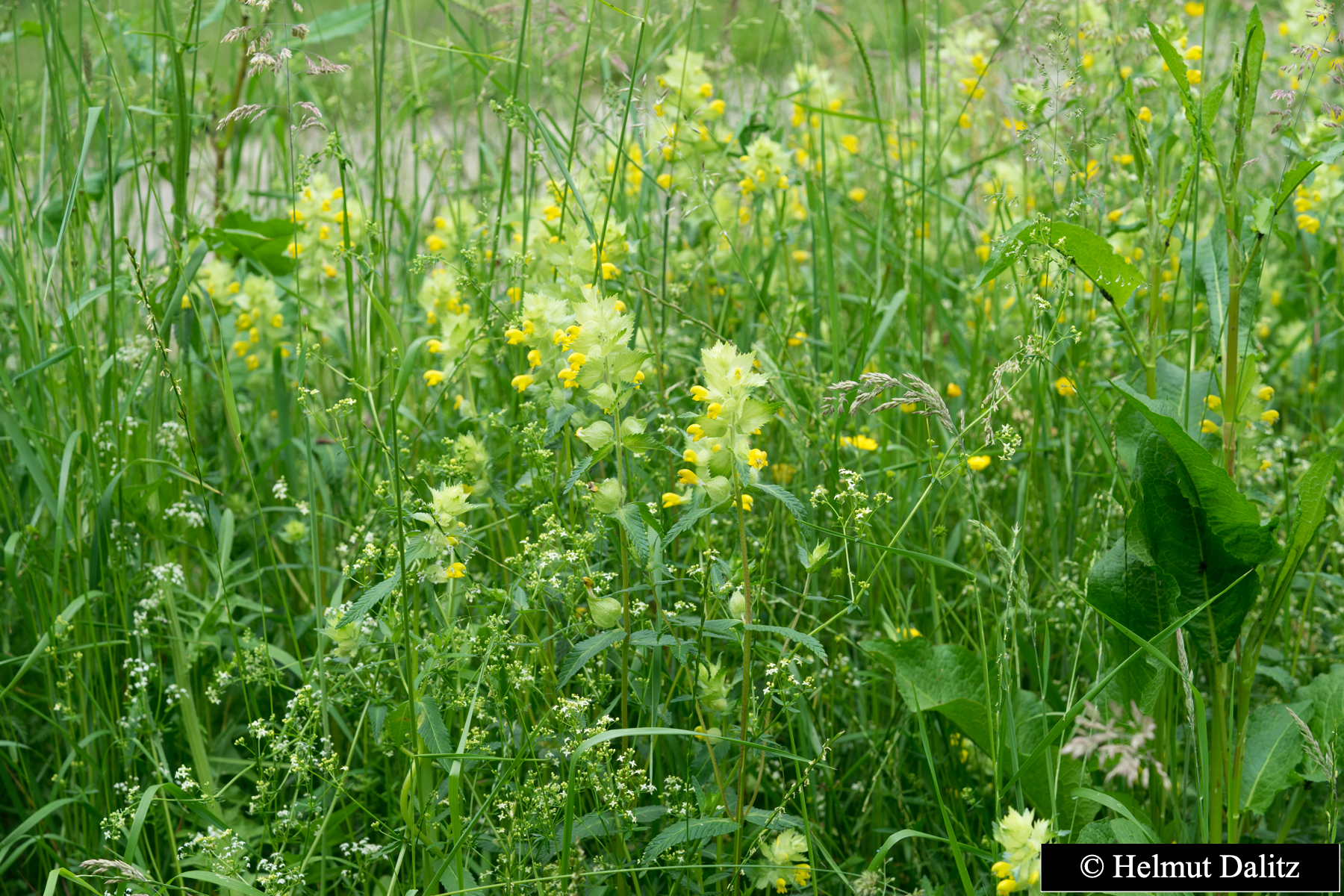
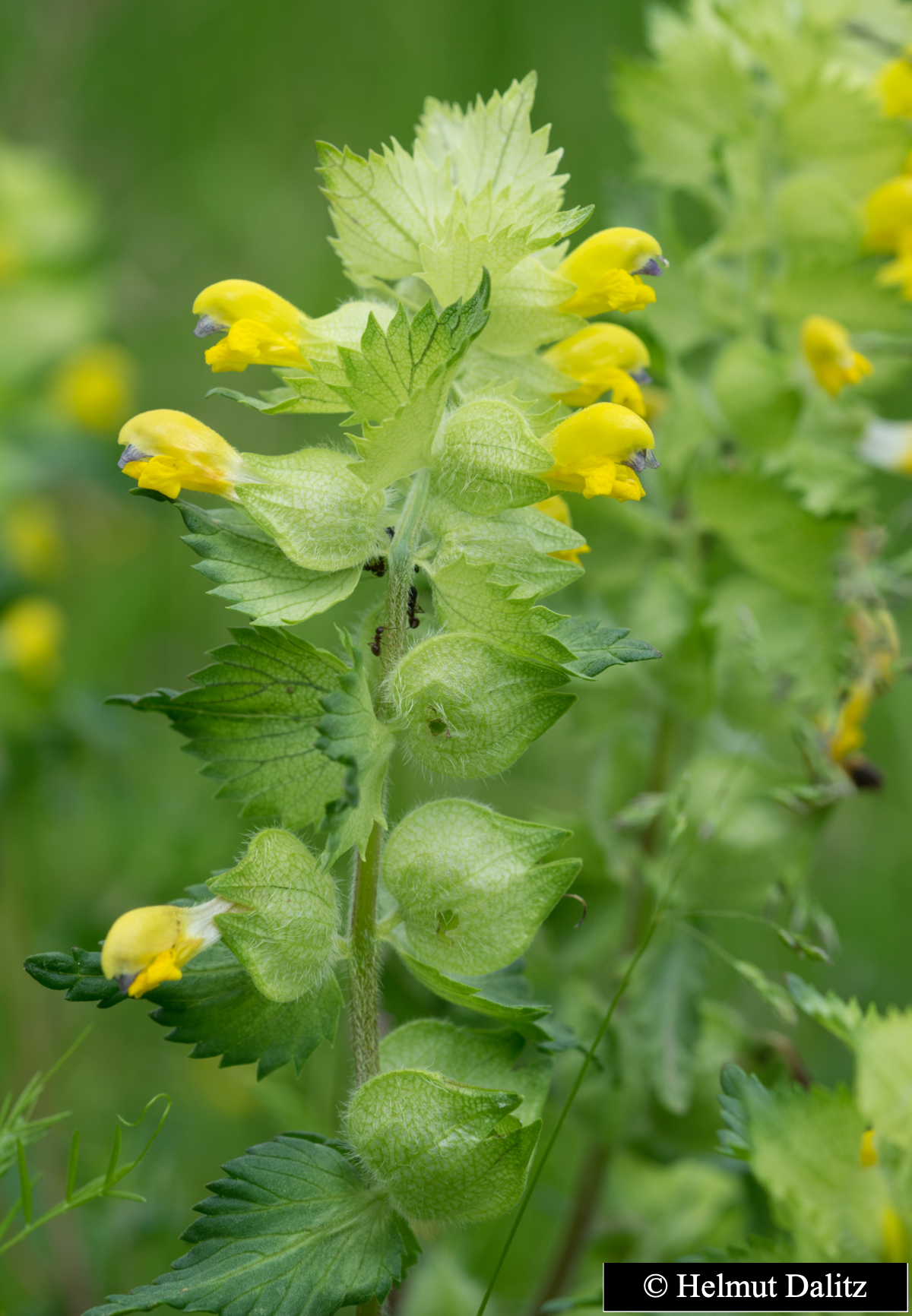
Rhinanthus alectorolophus (Scop.) Pollich - Accepted: Rhinanthus alectorolophus (Scop.) Pollich bei Zander 2008; Familie: Scrophulariaceae (Zander 2008)Rhinanthus alectorolophus (Scop.) Pollich - Synonym: Rhinanthus alectorolophus Pollich bei The Plant List (2010); Familie: Orobanchaceae (APG III)Rhinanthus alectorolophus Pollich - Accepted: Rhinanthus alectorolophus Pollich bei The Plant List (2010); Familie: Orobanchaceae (APG III)Rhinanthus alectorolophus (Scop.) Pollich - Accepted: Rhinanthus alectorolophus (Scop.) Pollich bei The Plant List (2014), version 1.1; Familie: Scrophulariaceae (APG III)Rhinanthus alectorolophus (Scop.) Pollich - Accepted: Rhinanthus alectorolophus (Scop.) Pollich bei The Plant List (2014), version 1.1; Familie: Orobanchaceae (APG IV)Rhinanthus alectorolophus (Scop.) Pollich - Accepted: Rhinanthus alectorolophus (Scop.) Pollich bei Rothmaler 2017; Familie: Orobanchaceae (APG IV)Rhinanthus alectorolophus (Scop.) Pollich - Accepted: Rhinanthus alectorolophus (Scop.) Pollich bei BfN Checklist Flora DE; Familie: Orobanchaceae (APG IV)Rhinanthus alectorolophus (Scop.) Pollich - Accepted: Rhinanthus alectorolophus (Scop.) Pollich bei World Flora Online - APG IV (Angiosperms); Familie: Orobanchaceae (World Flora Online - APG IV (Angiosperms))
- Blütenfarbe
- gelb
- Blüten
- Kelch auf der ganzen Oberfläche behaart; Zähne der Tragblätter ohne Granne, Krone ca. 20mm lang
- Schutzstatus, Rote Liste
- Ungefährdet in DE und BW (*)
- Lebensform
- krautig, terrestrisch, einjährig
- Bodenbedingungen
- frische, meist mäßig nährstoffreiche, oft kalkreiche Böden
- Lichtbedingungen
- Lichtpflanze
- Lichtbedingungen (Symbole)
- ○
- Vegetationstypus und Synökologie (Pflanzengesellschaft)
- Ord., Ver. Arrhenatheretalia elatioris, Mesobromion (D)
- Status der Einbürgerung
- indigen, Status nach BfN: I = etablierte Indigene und Archäobiota
- Generelle Empfehlung
- Empfohlen für die Bienenweide
- Biotoptyp
- Naturgärten, Magerrasen
- Nektar
- Von Honigbienen nutzbar
- Blütenbesuch durch polylektische Wildbienen
- Rotfransige Sandbiene (Andrena haemorrhoa), Andrena nitida, Gartenhummel (Bombus hortorum), Veränderliche Hummel (Bombus humilis), Steinhummel (Bombus lapidarius), Helle Erdhummel (Bombus lucorum), Ackerhummel (Bombus pascuorum), Grashummel (Bombus ruderarius), Grubenhummel (Bombus subterraneus), Glockenblumenhummel ( Bombus soroeensis), Bunthummel (Bombus sylvarum) und Dunkle Erdhummel (Bombus terrestris)
- Spross
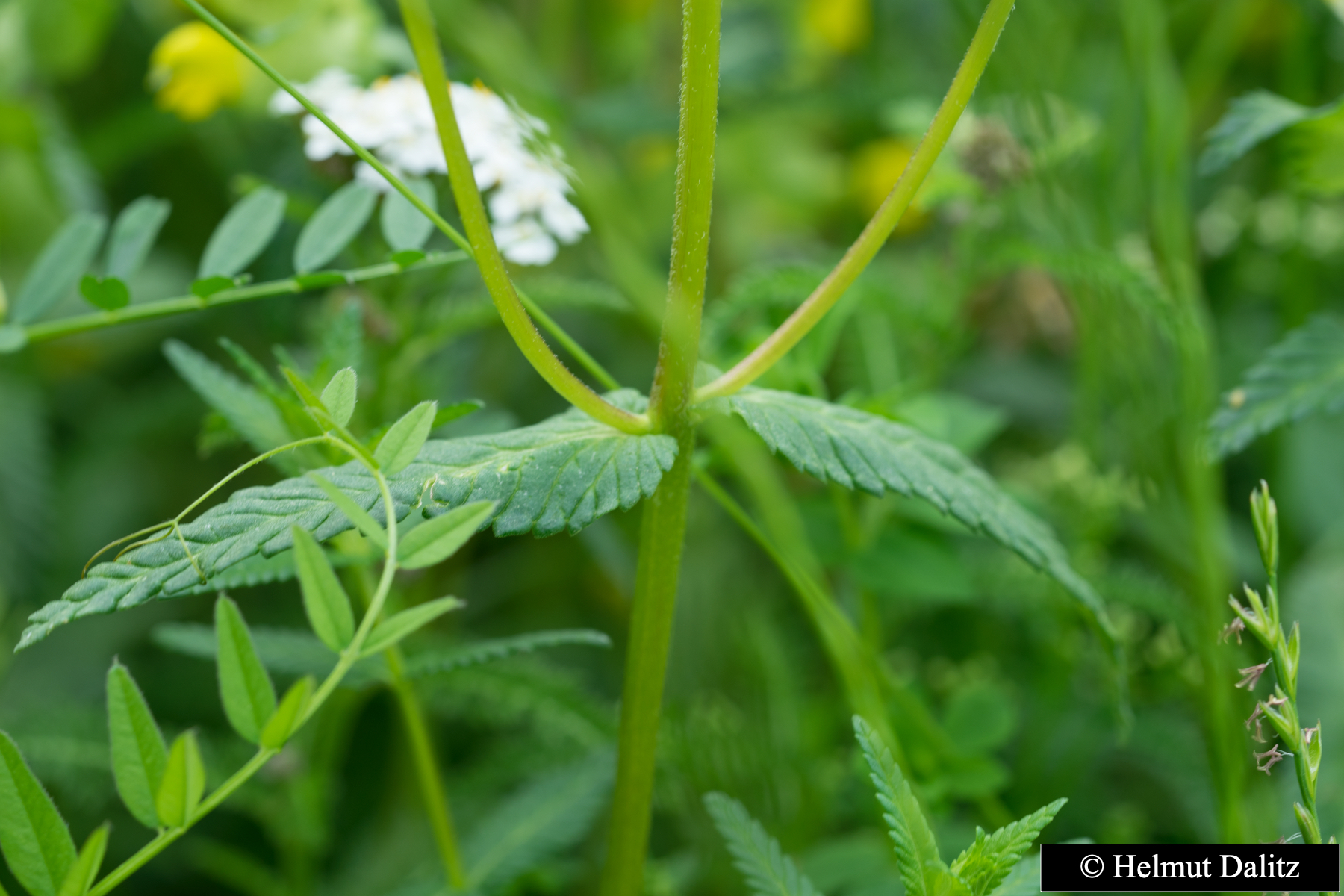
- Stängel oberwärts abstehend behaart, ohen schwarze Striche
Erhardt, W., Götz, E., Bödeker, N. & Seybold, S. (2008): Der große Zander. Enzyklopädie der Pflanzennamen. Band 2. Arten und Sorten. Eugen Ulmer KG, Stuttgart (Hohenheim), 18. Aufl., 2103 S.; Kämper, Wiebke et al. (2018): Flower visitation honeybee and bumblebee. See: https://www.bexis.uni-jena.de/ddm/data/Showdata/16086?version=2; Parreno, Alejandra et al. (2025): Visitation records of bees in Germany (58 plots). See: https://www.bexis.uni-jena.de/ddm/data/Showdata/31131?version=12; The International Plant Names Index (2009). Published on the Internet http://www.ipni.org; Courtesy to IPNI, 2009. Exported from IPNI at date: 2009-09-22 20:17:51; Werle, Susanne et al. (2015): ITS2 DNA metabarcoding of wild bee pollen loads, collected in 2020 and 2021 across all three exploratories. See: https://www.bexis.uni-jena.de/ddm/data/Showdata/31545?version=6;