
Wissenswertes zum Taxon (Art, Unterart, Varietät...)
Chenopodium polyspermum L. 1753
Amaranthaceae
- Amaranthgewächse (APG IV)Vielsamiger Gänsefuß
Taxonkonzept: The Plant List (2014), version 1.1
Verbreitung: Europa, Ost-Mediterrangebiet bis Sibirien
Verbreitungskarte Bundesamt für Naturschutz BfN
Chenopodium polyspermum L. - Accepted: Chenopodium polyspermum L. bei Zander 2008; Familie: Chenopodiaceae (Zander 2008)Chenopodium polyspermum L. - Accepted: Chenopodium polyspermum L. bei The Plant List (2010); Familie: Amaranthaceae (APG III)Chenopodium polyspermum L. - Accepted: Chenopodium polyspermum L. bei The Plant List (2014), version 1.1; Familie: Amaranthaceae (APG III)Chenopodium polyspermum L. - Accepted: Chenopodium polyspermum L. bei The Plant List (2010); Familie: Amaranthaceae (APG IV)Chenopodium polyspermum L. - Accepted: Chenopodium polyspermum L. bei Schmeil-Fitschen 2019; Familie: Amaranthaceae (APG IV)Chenopodium polyspermum L. - Accepted: Chenopodium polyspermum L. bei Rothmaler 2011; Familie: Amaranthaceae (APG IV)Chenopodium polyspermum L. - Accepted: Chenopodium polyspermum L. bei BfN Checklist Flora DE; Familie: Amaranthaceae (APG IV)
- Schutzstatus, Rote Liste
- Ungefährdet in DE (*)
- Vegetationstypus und Synökologie (Pflanzengesellschaft)
- Ver., Ass. Chenopodion rubri, Oxalido-Chenopodietum polyspermi (D)
- Status der Einbürgerung
- I
The International Plant Names Index (2009). Published on the Internet http://www.ipni.org; Courtesy to IPNI, 2009. Exported from IPNI at date: 2009-09-22 20:17:51;
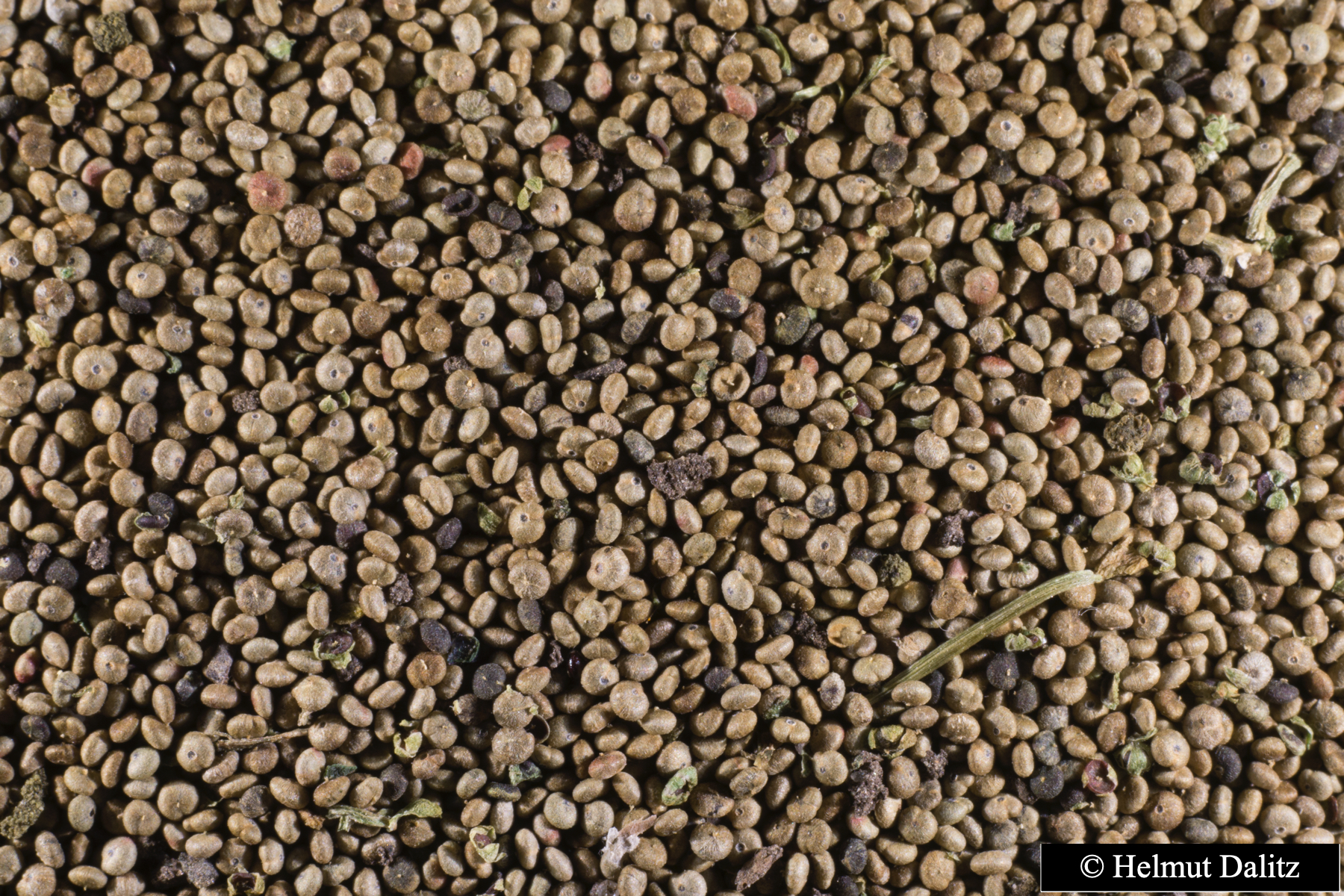
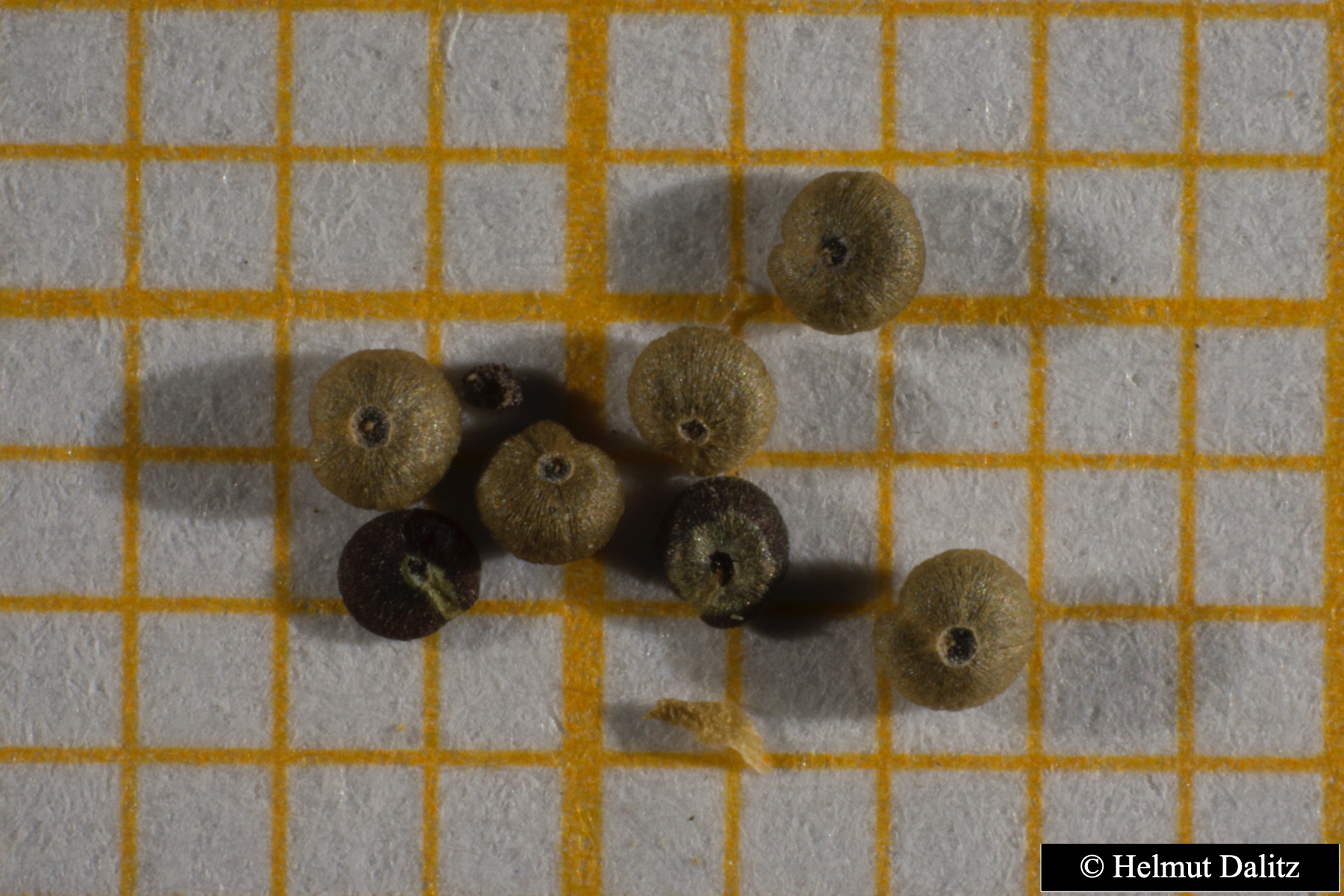
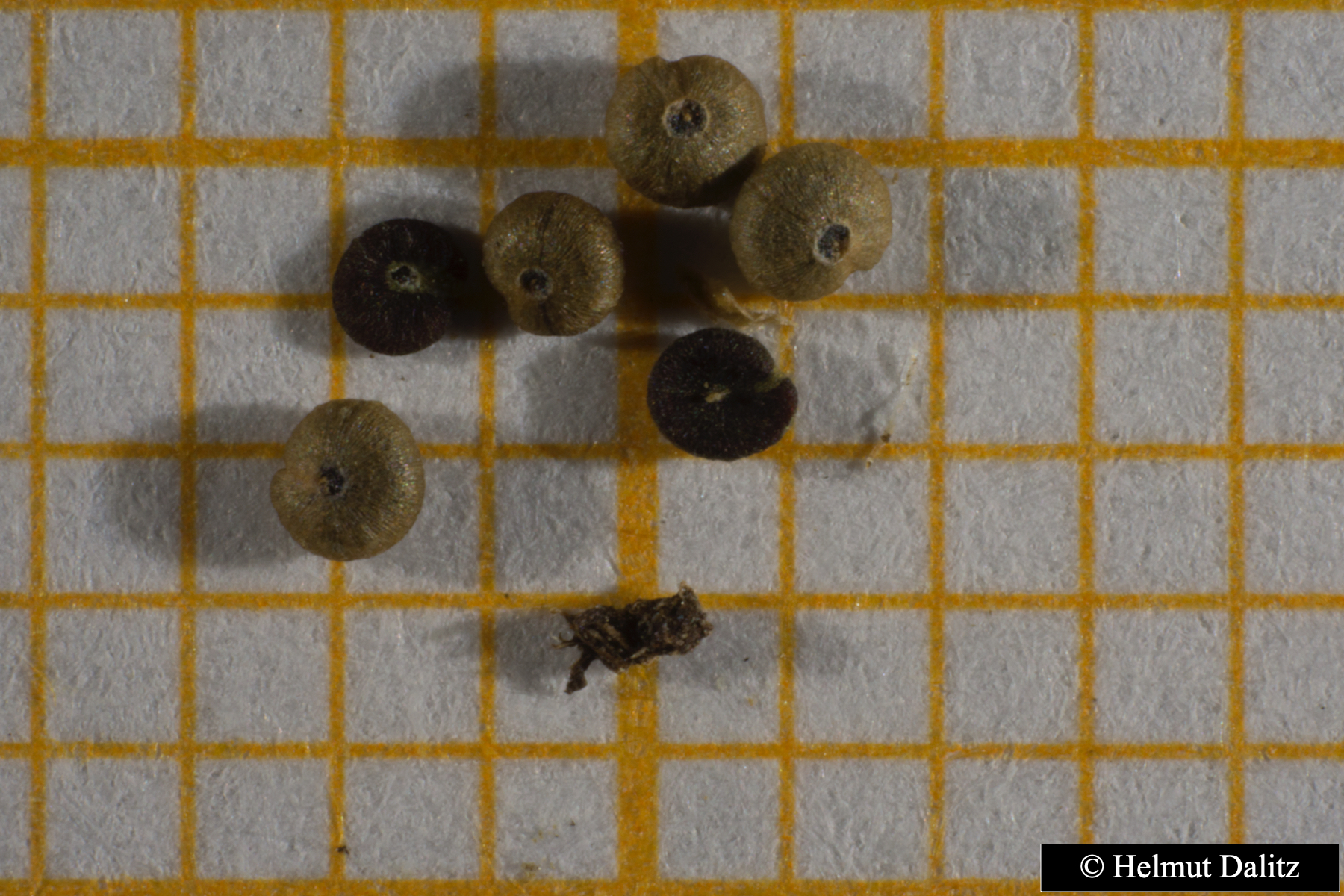
Diese Webseite verwendet Google Maps, um Karten und Standorte von Pflanzen in den Hohenheimer Gärten anzuzeigen. Dadurch werden unter Umständen Daten an Google weitergeleitet, was mit einer Verarbeitung Ihrer personenbezogenen Daten verbunden sein kann. Die Datenschutzerklärung von Google finden Sie hier: Datenschutzerklärung von Google
| Geschlecht | Standort | Akzessions-Nr. | Pflanzjahr | Spende | IPEN | Lat. | Long. |
|---|---|---|---|---|---|---|---|
| Phytolaccaceae, Caryophyllaceae, Molluginaceae, Nyctaginaceae, Amaranthaceae, Cactaceae, Basellaceae, Aizoaceae, Portulacaceae | SYS-23326 | 2026-05-30 | XX-0-HOH-SYS-23326 | 0 | 0 |