
Wissenswertes zum Taxon (Art, Unterart, Varietät...)
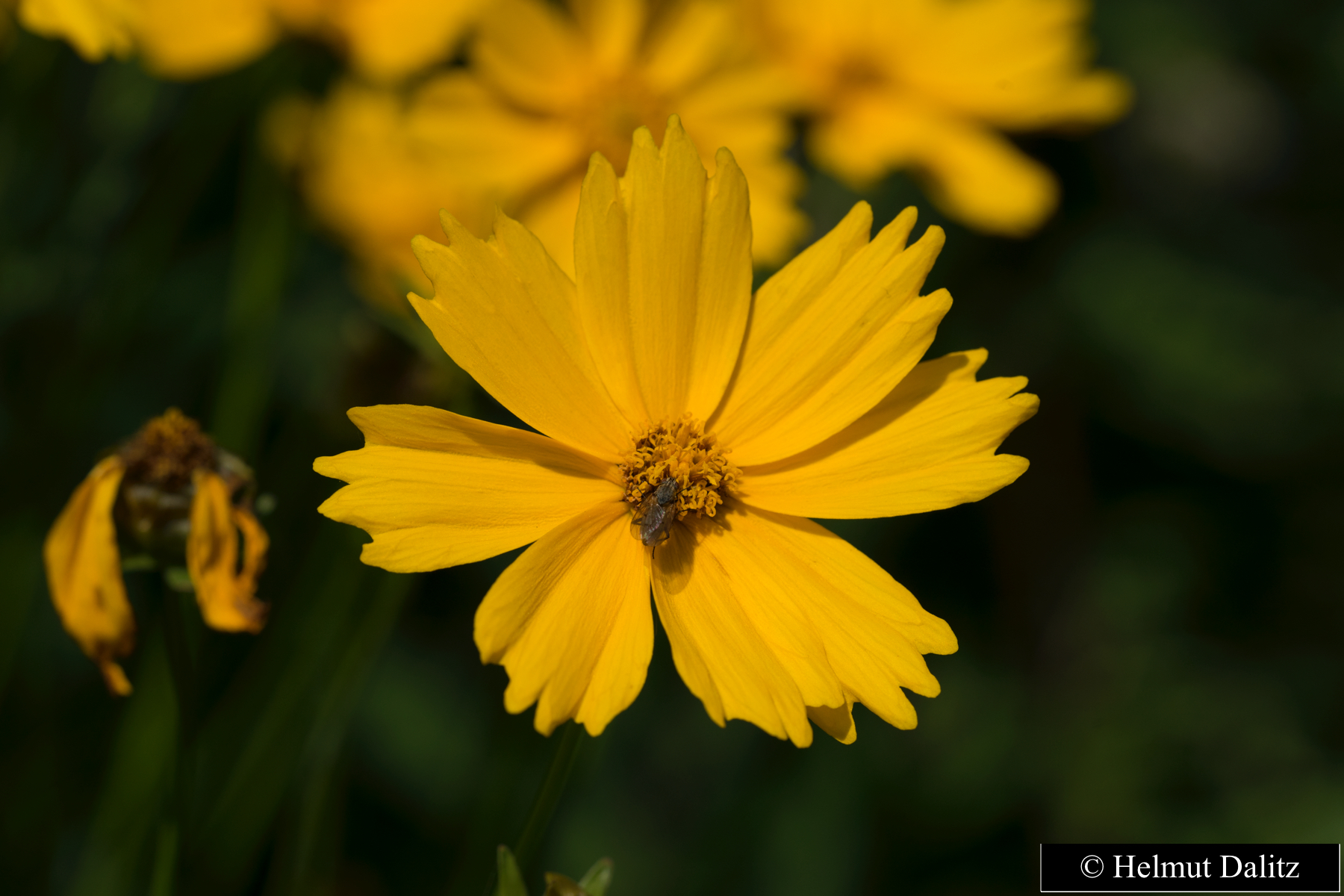
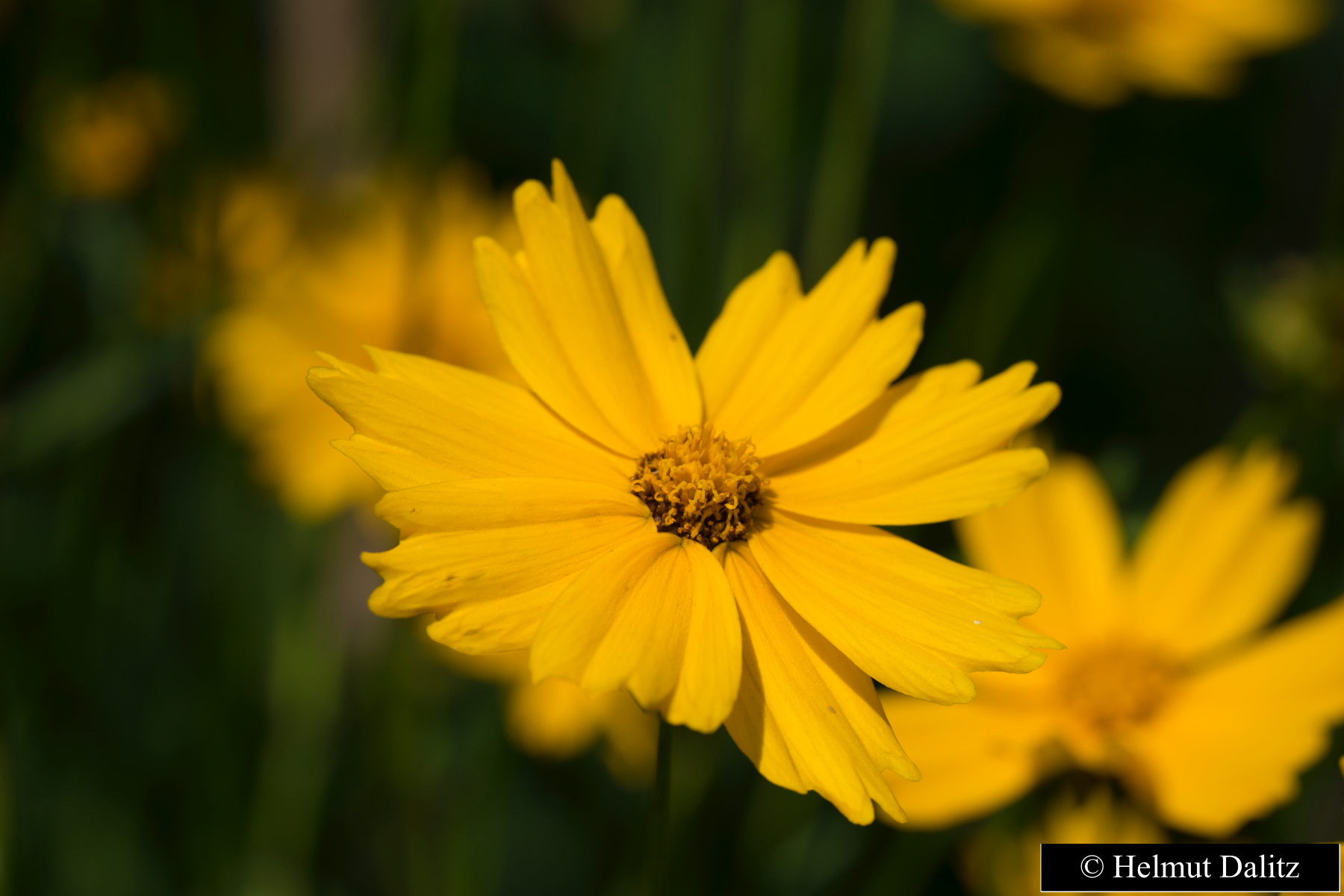
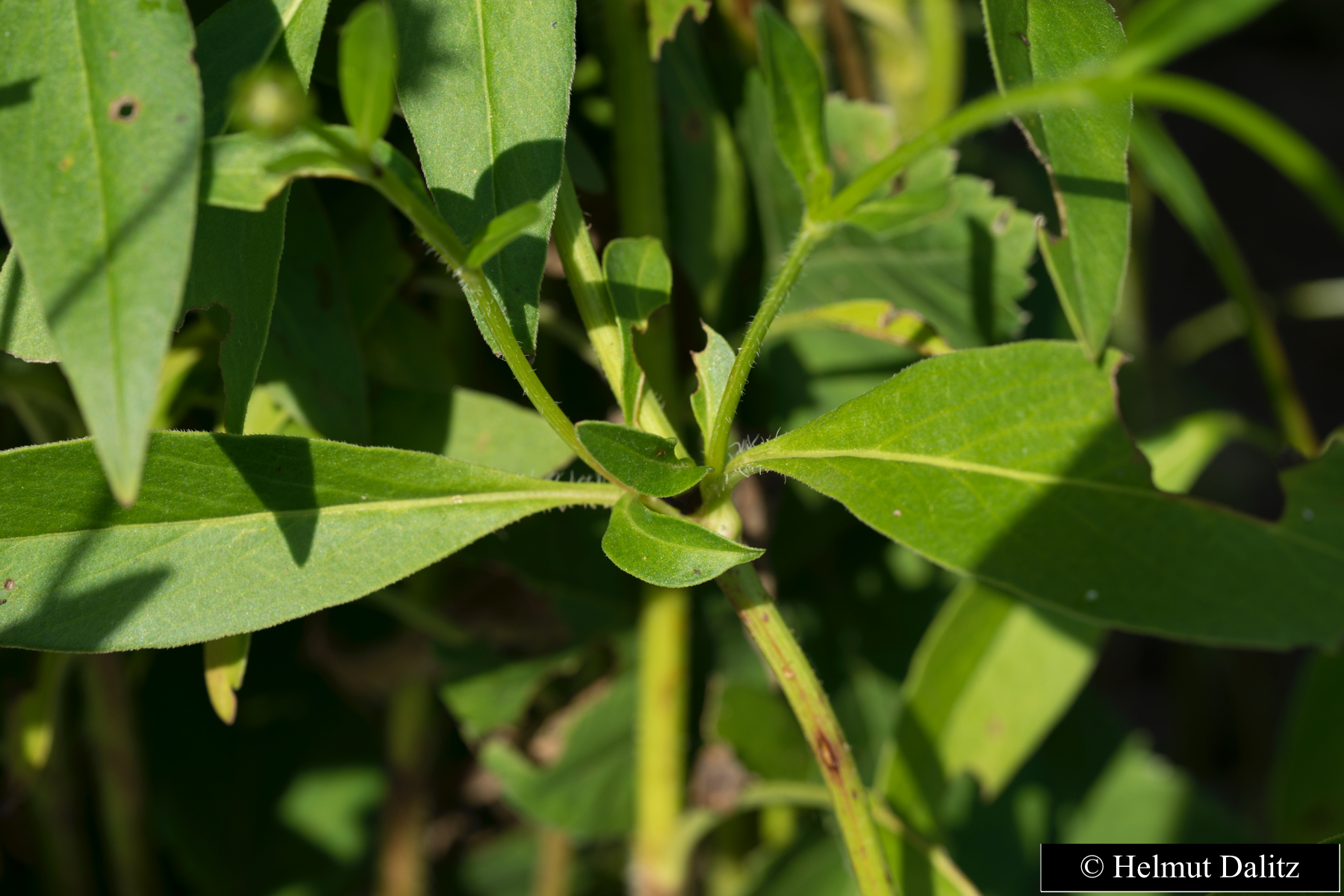
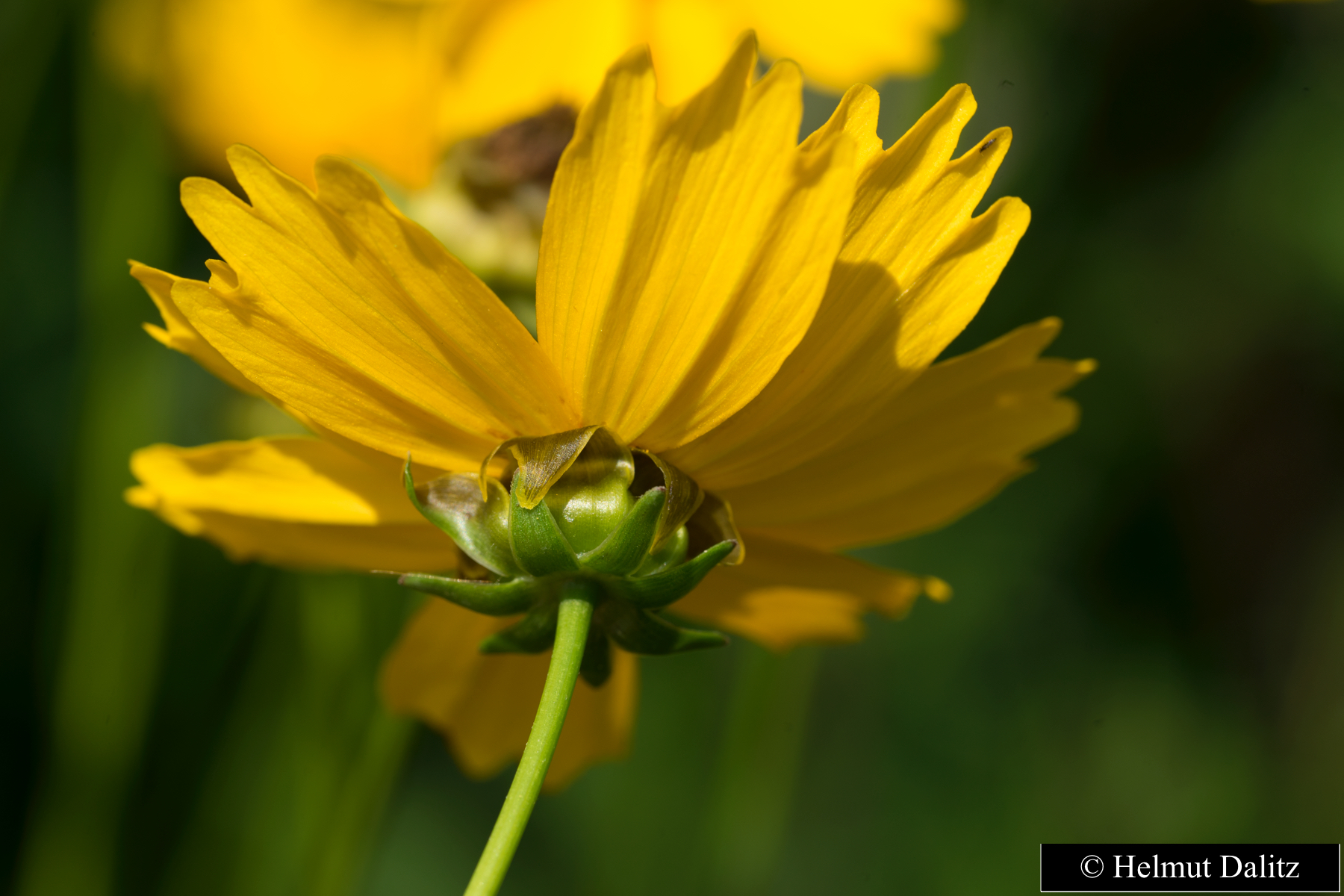
Coreopsis pubescens Elliott 1823
Asteraceae (Compositae)
- Korbblütengewächse (APG IV)Flaumhaariges Mädchenauge
Taxonkonzept: Global Compositae Database (TICA)
Verbreitung: USA: Nordosten, Nordost-Zentral, Oklahoma, Südosten, Florida
Größe: 0 (m)
Blütezeit: VI - IX
Coreopsis pubescens Elliott - Accepted: Coreopsis pubescens Elliott bei Zander 2008; Familie: Asteraceae (Compositae) (Zander 2008)Coreopsis pubescens Elliott - Accepted: Coreopsis pubescens Elliott bei The Plant List (2010); Familie: Asteraceae (Compositae) (APG III)Coreopsis pubescens Elliott - Accepted: Coreopsis pubescens Elliott bei The Plant List (2014), version 1.1; Familie: Asteraceae (Compositae) (APG III)Coreopsis pubescens Elliott - Accepted: Coreopsis pubescens Elliott bei The Plant List (2010); Familie: Asteraceae (Compositae) (APG IV)Coreopsis pubescens Elliott - Accepted: Coreopsis pubescens Elliott bei The Plant List (2014), version 1.1; Familie: Asteraceae (Compositae) (APG IV)
- Lebensform
- krautig, terrestrisch, ausdauernd (Staude)
Bundesamt für Naturschutz (BfN) (1999-2001 and ongoing): Floraweb - Daten und Informationen zu Wildpflanzen und zur Vegetation Deutschlands. www.floraweb.de.; Erhardt, W., Götz, E., Bödeker, N. & Seybold, S. (2008): Der große Zander. Enzyklopädie der Pflanzennamen. Band 2. Arten und Sorten. Eugen Ulmer KG, Stuttgart (Hohenheim), 18. Aufl., 2103 S.; The International Plant Names Index (2009). Published on the Internet http://www.ipni.org; Courtesy to IPNI, 2009. Exported from IPNI at date: 2009-09-22 20:17:51;
| Geschlecht | Standort | Akzessions-Nr. | Pflanzjahr | Spende | IPEN | Lat. | Long. |
|---|---|---|---|---|---|---|---|
| Asteraceae | SYS-856 | XX-0-HOH-SYS-856 | 0 | 0 |