
Useful information about the taxon (species, subspecies, variety...)
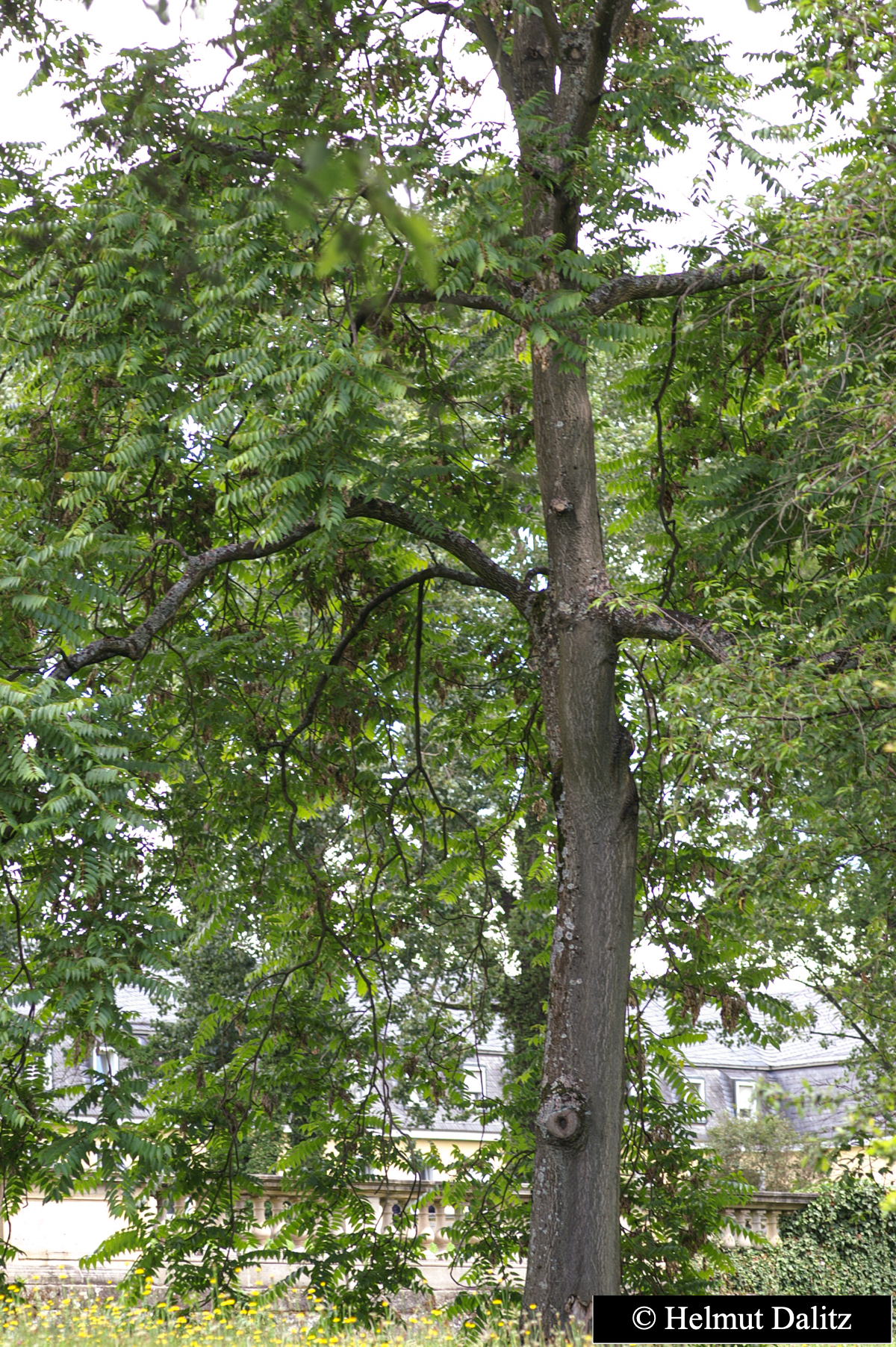
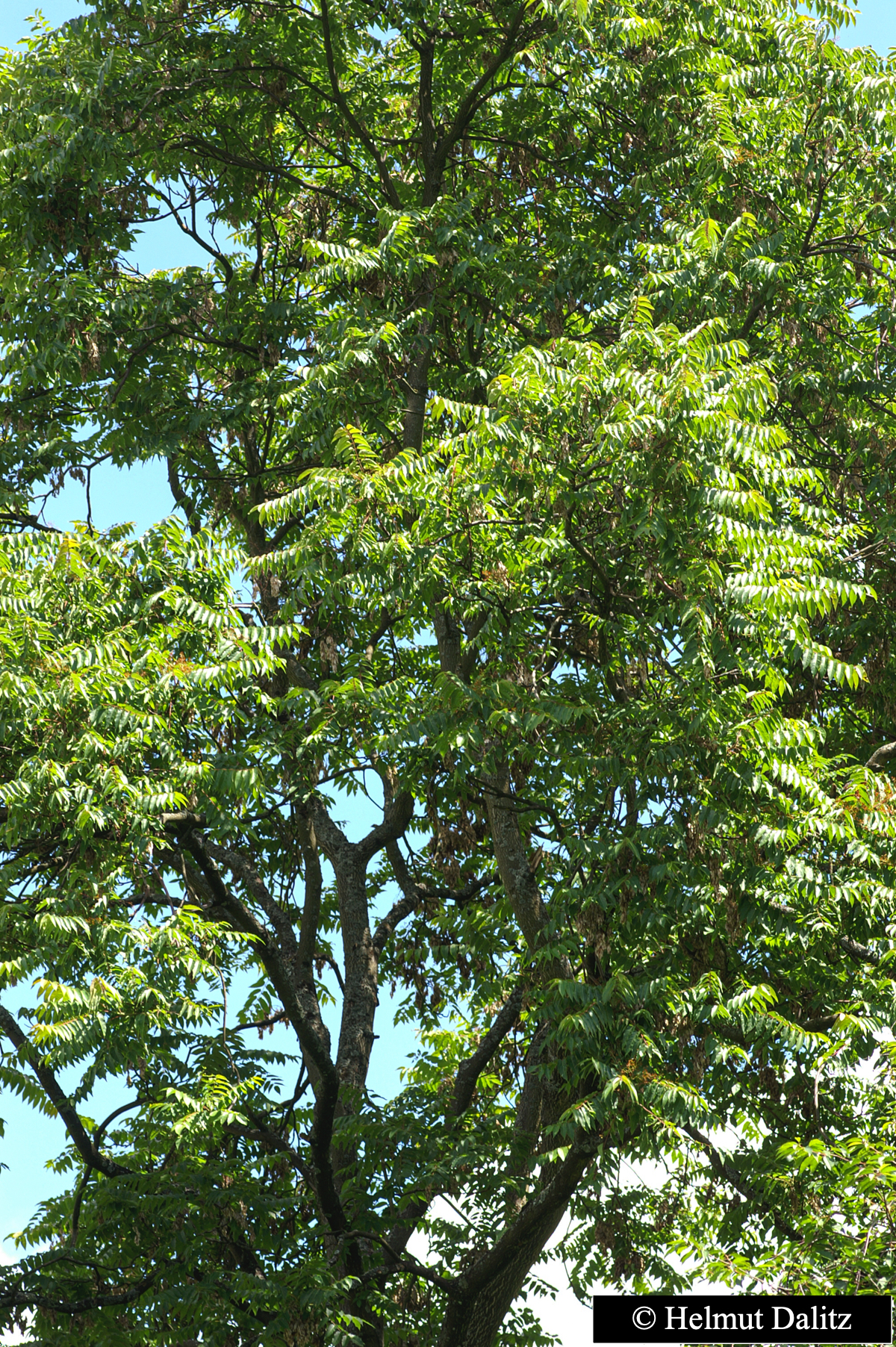
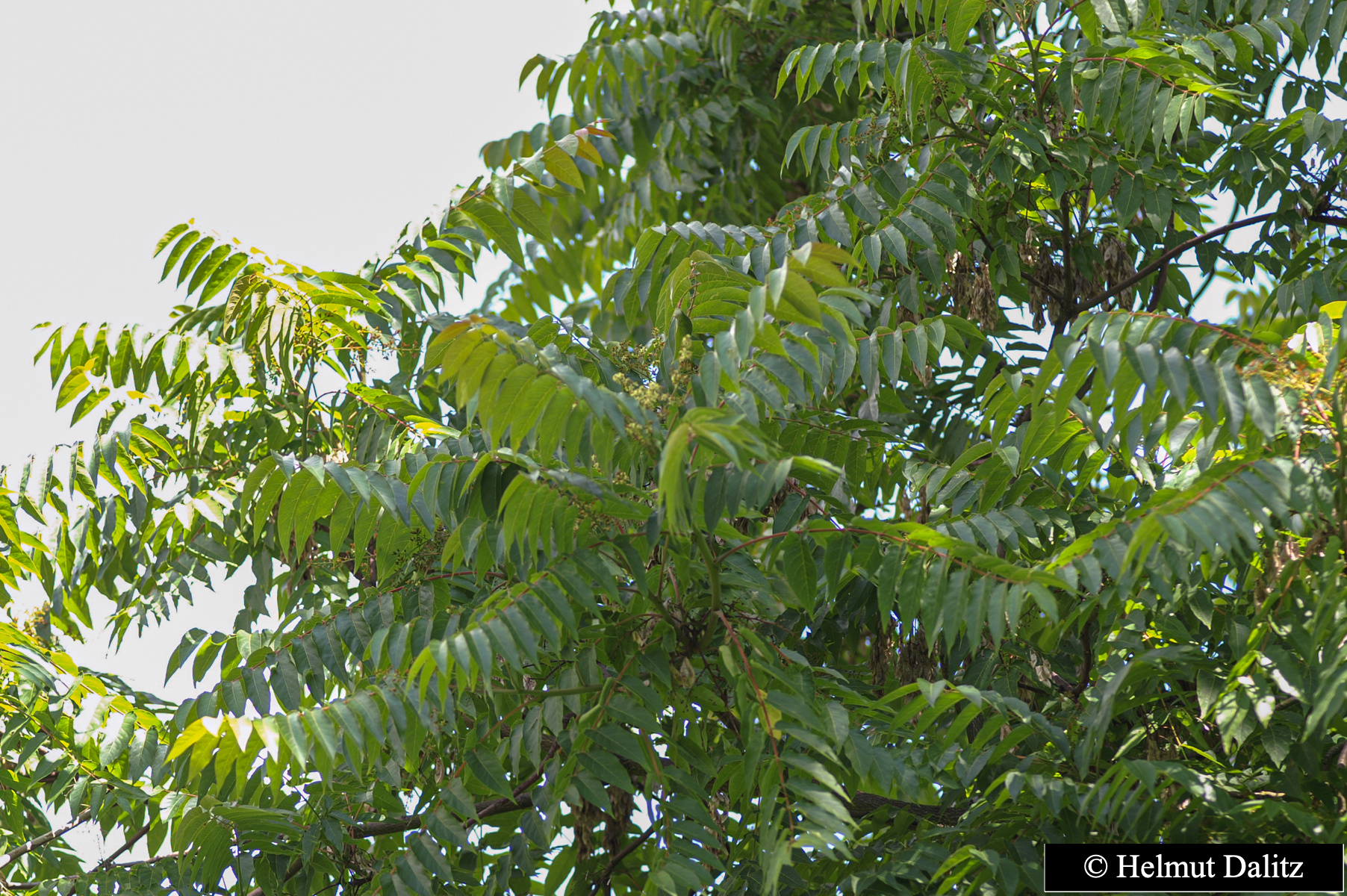
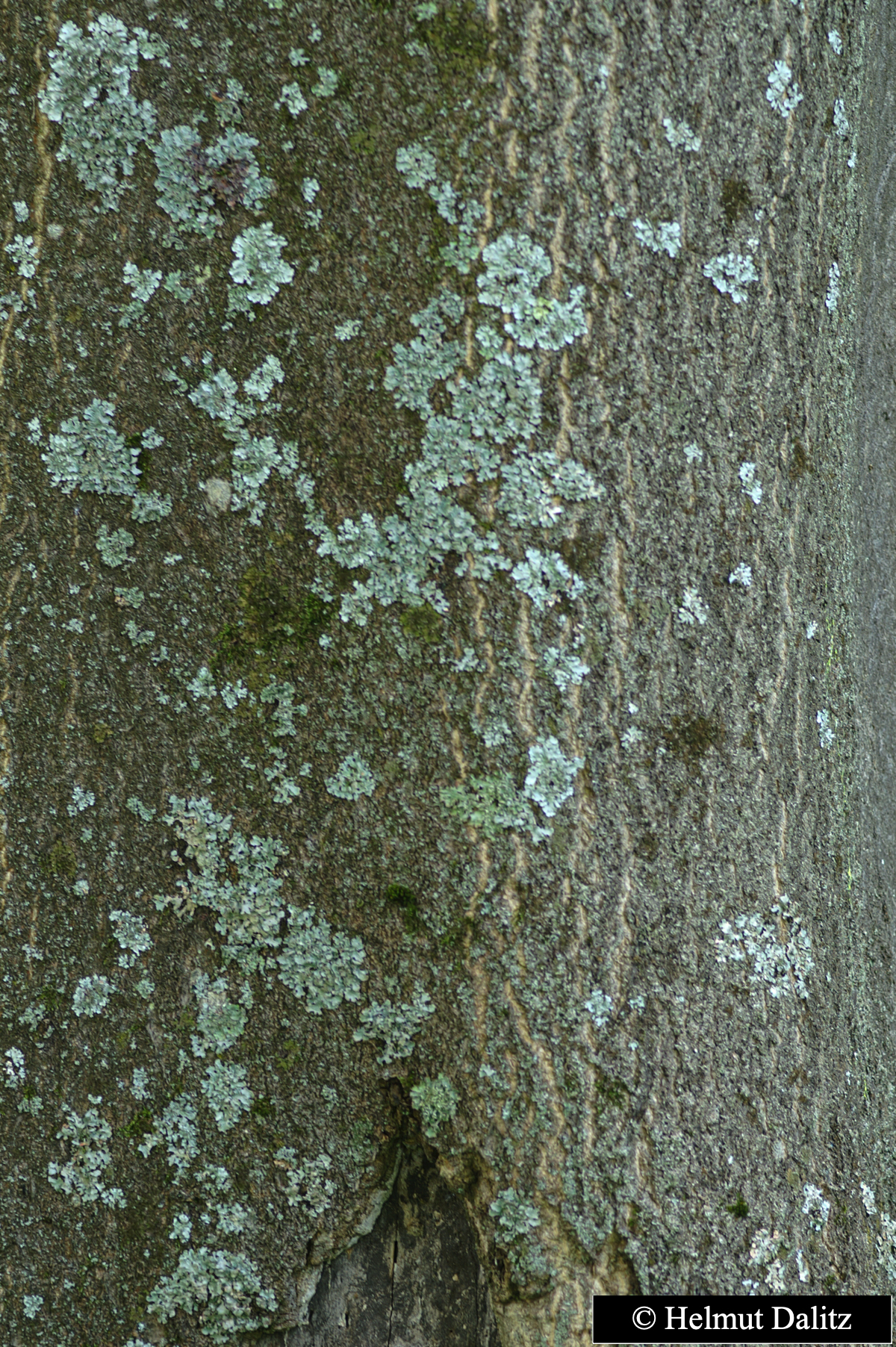
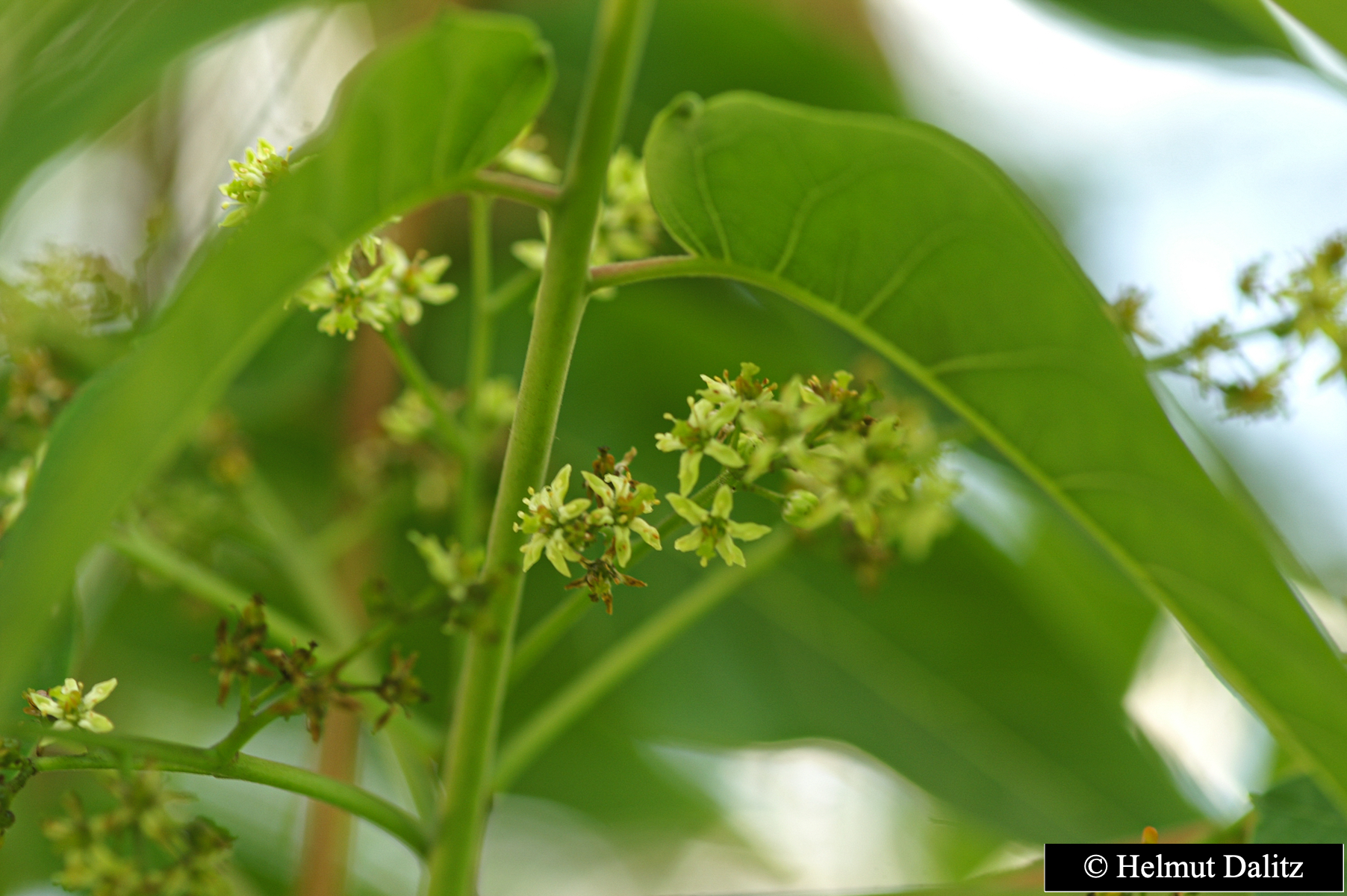
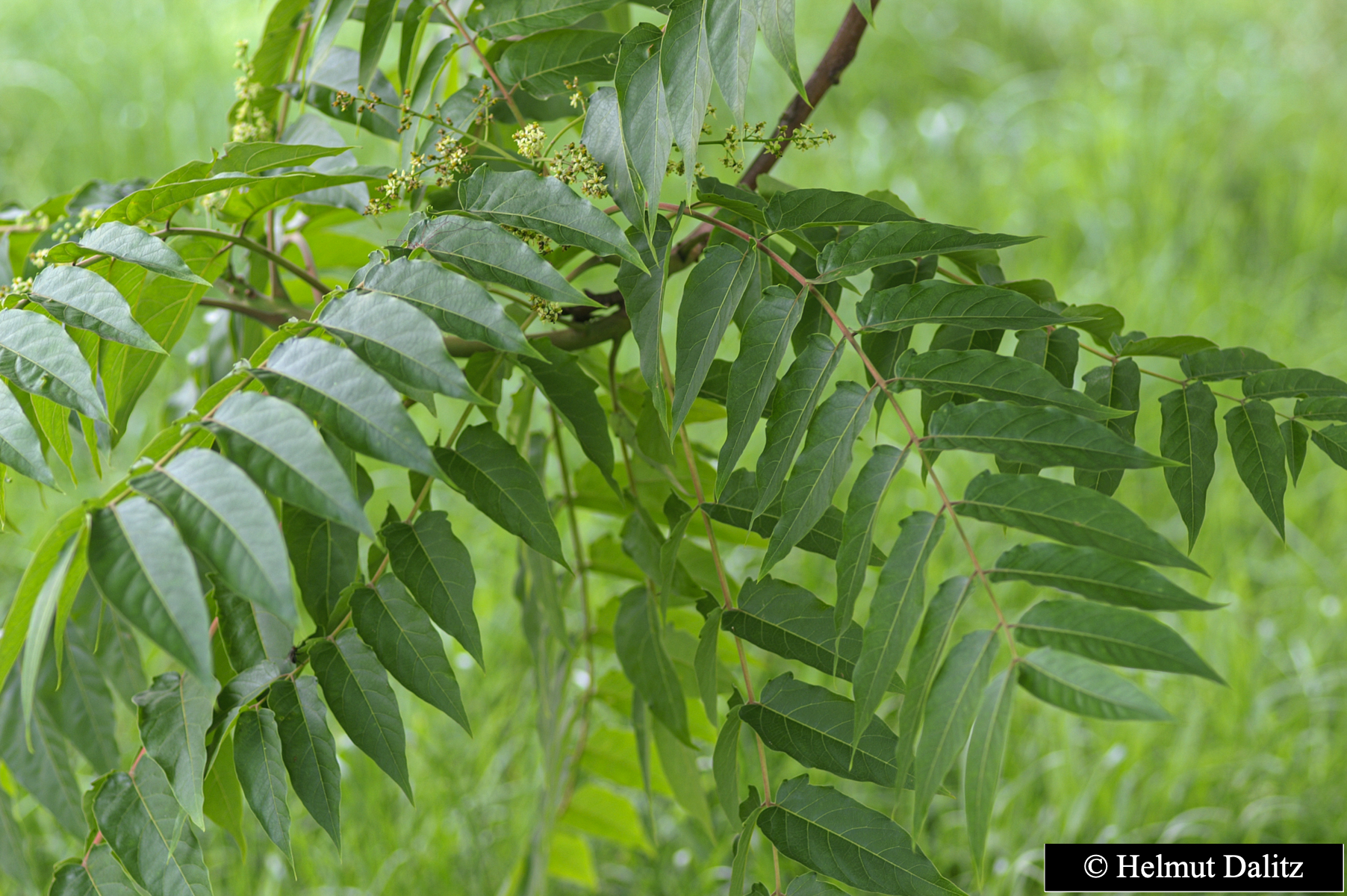
Ailanthus altissima (Mill.) Swingle 1916
Simaroubaceae
(APG IV)Akzessionnummer: EG-G-016-20625
Pflanzjahr: 1955
Taxon concept: The Plant List (2010)
Ailanthus altissima (Mill.) Swingle - Accepted: Ailanthus altissima (Mill.) Swingle bei Zander 2008; Familie: Simaroubaceae (Zander 2008)Ailanthus altissima (Mill.) Swingle - Accepted: Ailanthus altissima (Mill.) Swingle bei The Plant List (2010); Familie: Simaroubaceae (APG III)Ailanthus altissima (Mill.) Swingle - Accepted: Ailanthus altissima (Mill.) Swingle bei The Plant List (2014), version 1.1; Familie: Simaroubaceae (APG III)Ailanthus altissima (Mill.) Swingle - Accepted: Ailanthus altissima (Mill.) Swingle bei The Plant List (2014), version 1.1; Familie: Simaroubaceae (APG IV)Ailanthus altissima (Mill.) Swingle - Accepted: Ailanthus altissima (Mill.) Swingle bei BfN Checklist Flora DE; Familie: Simaroubaceae (APG IV)Ailanthus altissima (Mill.) Swingle - Accepted: Ailanthus altissima (Mill.) Swingle bei World Flora Online - APG IV (Angiosperms); Familie: Simaroubaceae (World Flora Online - APG IV (Angiosperms))
- Color of flower
- white
- Life form
- woody, tree
Breunig, T. et al. (2021): Rote Liste der Farn- und Blütenpflanzen Baden-Württembergs.; Bundesamt für Naturschutz (BfN) (1999-2001 and ongoing): Floraweb - Daten und Informationen zu Wildpflanzen und zur Vegetation Deutschlands. www.floraweb.de.; Erhardt, W., Götz, E., Bödeker, N. & Seybold, S. (2008): Der große Zander. Enzyklopädie der Pflanzennamen. Band 2. Arten und Sorten. Eugen Ulmer KG, Stuttgart (Hohenheim), 18. Aufl., 2103 S.; Haider, M. et al. (2005): Wildbienenkataster. See: https://www.wildbienen-kataster.de; Karl Hiller et al. (2010): Lexikon der Arzneipflanzen und Drogen.. Spektrum, Heidelberg, 2. Auflage 9783827420534.; Maurizio, Anna et al. (1982): Nektar und Pollen - die wichtigsten Nahrungsquellen der Honigbiene. 4. Ehrenwirth, München, 3, überabeitete Auflage; Metzing, D. et al. (2018): Rote Liste und Gesamtartenliste der Farn- und Blütenpflanzen (Trachaeophyta) Deutschlands .; Oberdorfer, E. (2001): Pflanzensoziologische Exkursionsflora. Für Deutschland und angrenzende Gebiete. Eugen Ulmer Verlag, Stuttgart, 8., stark überarb. u. erg. Aufl, 1056 S. 978-3-8001-3131-0.; Parolly, G. et al. (2019): Schmeil-Fitschen: Die Flora Deutschlands und angrenzender Länder.. Quelle & Meyer Verlag, Wiebelsheim, 97. Aufl.; Pritsch, Günter et al. (1985): Bienenweide.. Neumann-Neudamm, Melsungen; Pritsch, Günter et al. (2007): 200 Trachtpflanzen erkennen und bewerten.. Kosmos, Stuttgart; Schick, B. & Spürgin, A. (1997): Die Bienenweide. Eugen Ulmer Verlag, Stuttgart, Auflage: 4., völlig neubearb. u. erw. A., 216 S. 978-3800174188.; Sebald, O. et al. (1992): Die Farn- und Blütenpflanzen Baden-Württembergs. 4. Ulmer: 362. 3800133156.; Westrich, P. et al. (2018): Die Wildbienen Deutschlands.. Ulmer Verlag ISBN 978-8186-0123-2.;
Diese Webseite verwendet Google Maps, um Karten und Standorte von Pflanzen in den Hohenheimer Gärten anzuzeigen. Dadurch werden unter Umständen Daten an Google weitergeleitet, was mit einer Verarbeitung Ihrer personenbezogenen Daten verbunden sein kann. Die Datenschutzerklärung von Google finden Sie hier: Datenschutzerklärung von Google