
Useful information about the taxon (species, subspecies, variety...)
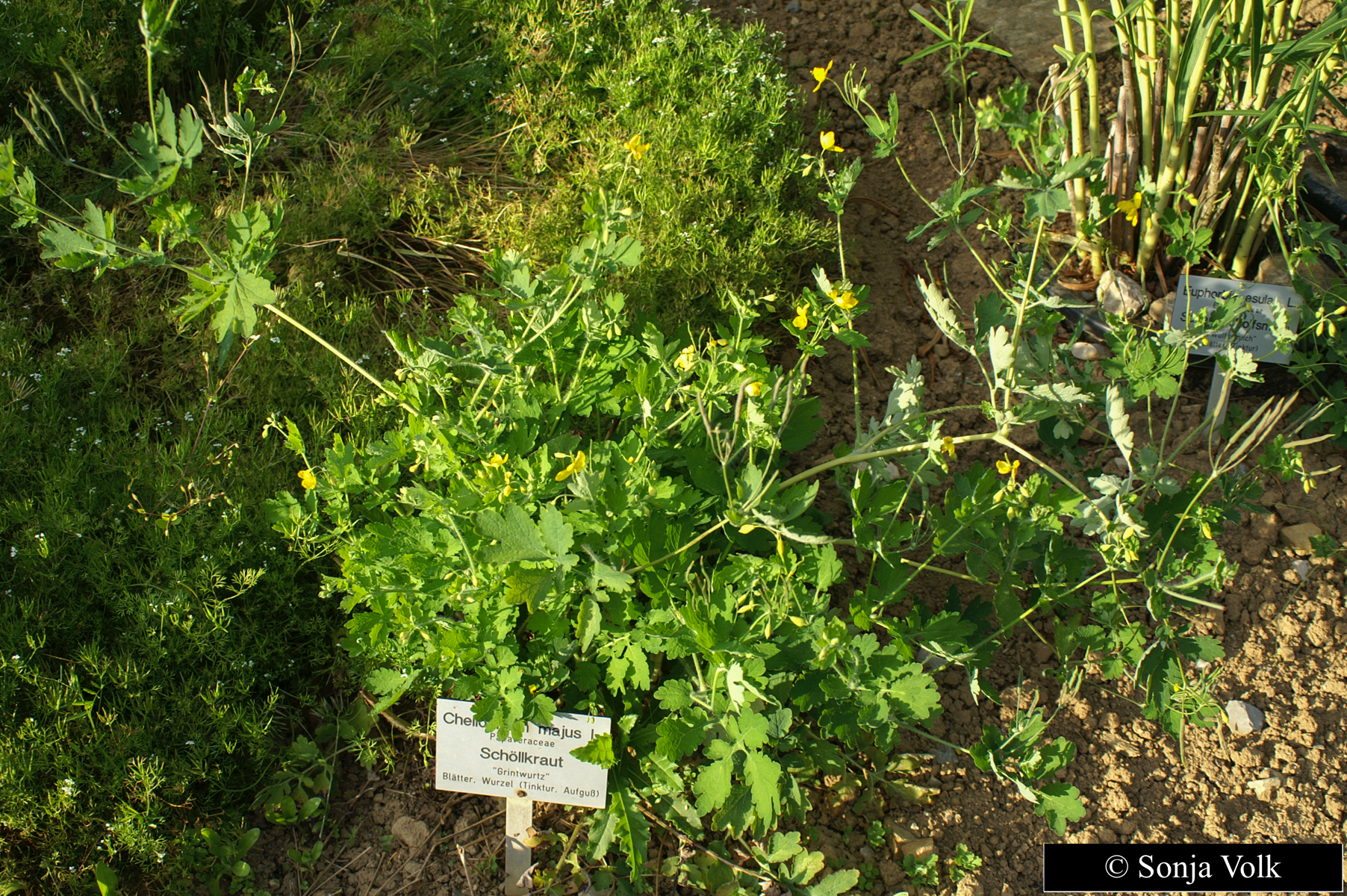
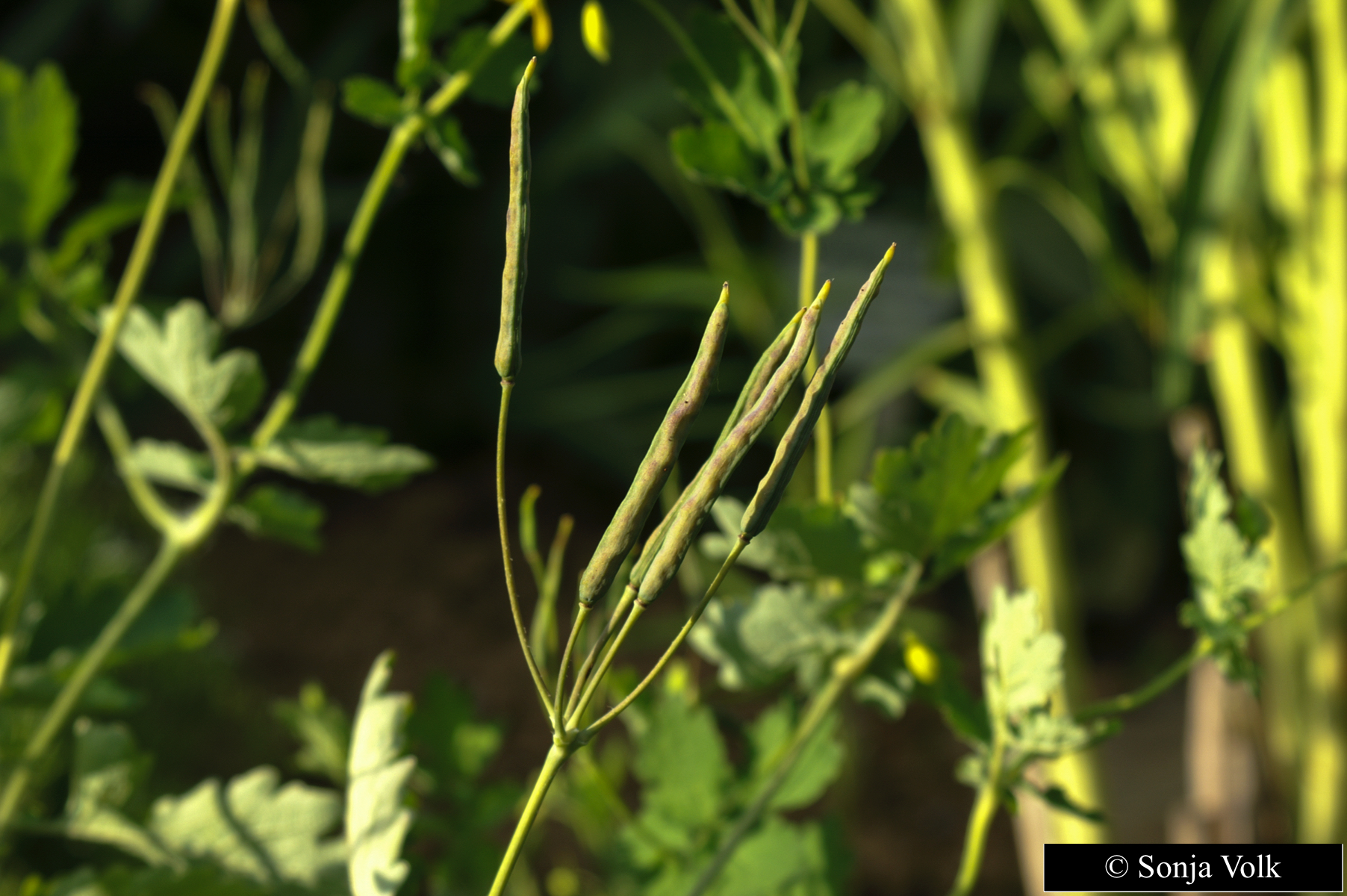
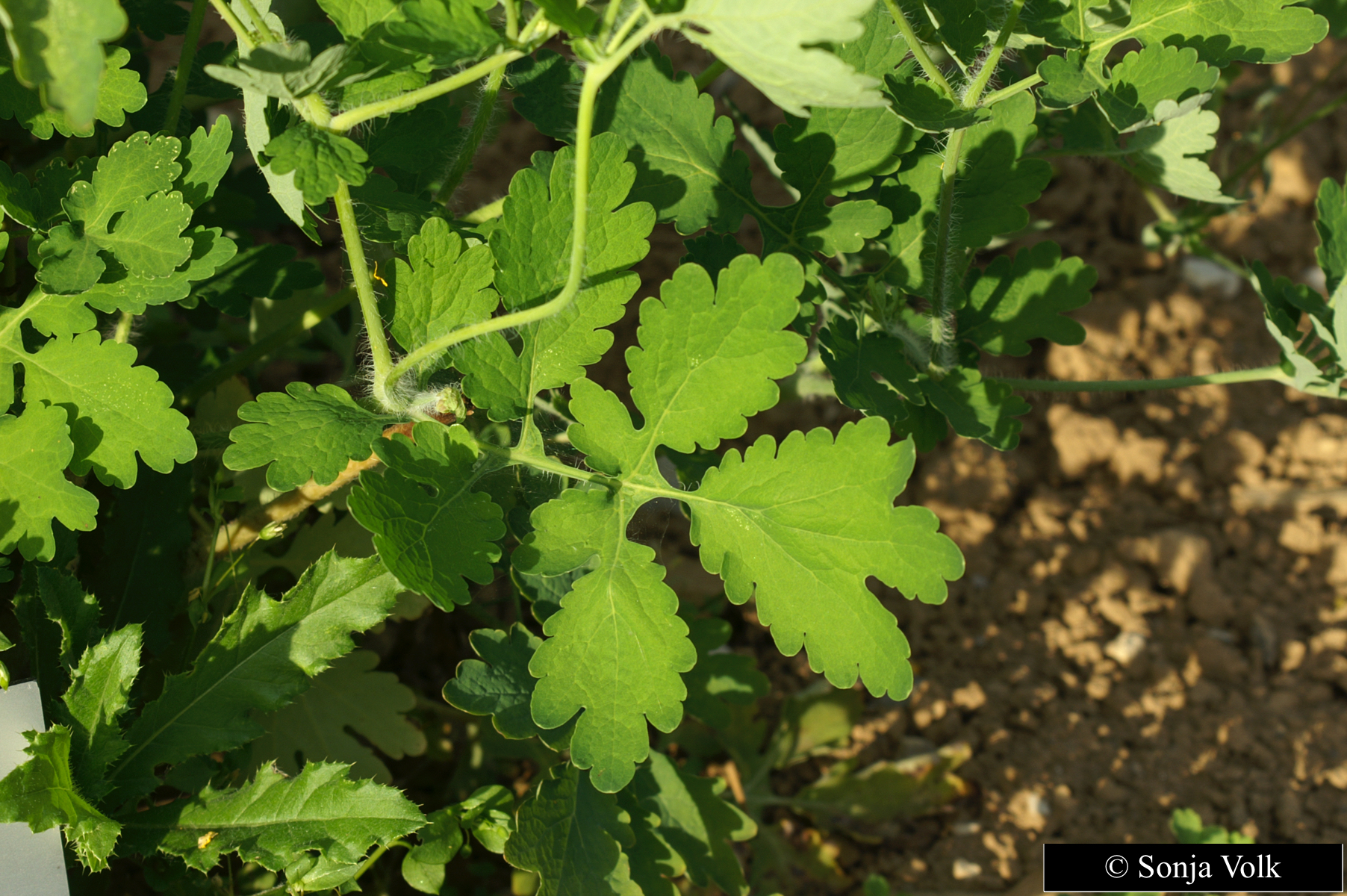
Chelidonium majus L. 1753
Papaveraceae
(APG IV)Taxon concept: Schmeil-Fitschen 2019
Chelidonium majus L. - Accepted: Chelidonium majus L. bei The Plant List (2010); Familie: Papaveraceae (APG III)Chelidonium majus L. - Accepted: Chelidonium majus L. bei Zander 2008; Familie: Papaveraceae (Zander 2008)Chelidonium majus L. - Accepted: Chelidonium majus L. bei The Plant List (2014), version 1.1; Familie: Papaveraceae (APG III)Chelidonium majus L. - Accepted: Chelidonium majus L. bei The Plant List (2014), version 1.1; Familie: Papaveraceae (APG IV)Chelidonium majus L. - Accepted: Chelidonium majus L. bei The Plant List (2010); Familie: Papaveraceae (APG IV)Chelidonium majus L. - Accepted: Chelidonium majus L. bei BfN Checklist Flora DE; Familie: Papaveraceae (APG IV)Chelidonium majus L. - Accepted: Chelidonium majus L. bei World Flora Online; Familie: Papaveraceae (World Flora Online - APG IV (Angiosperms))
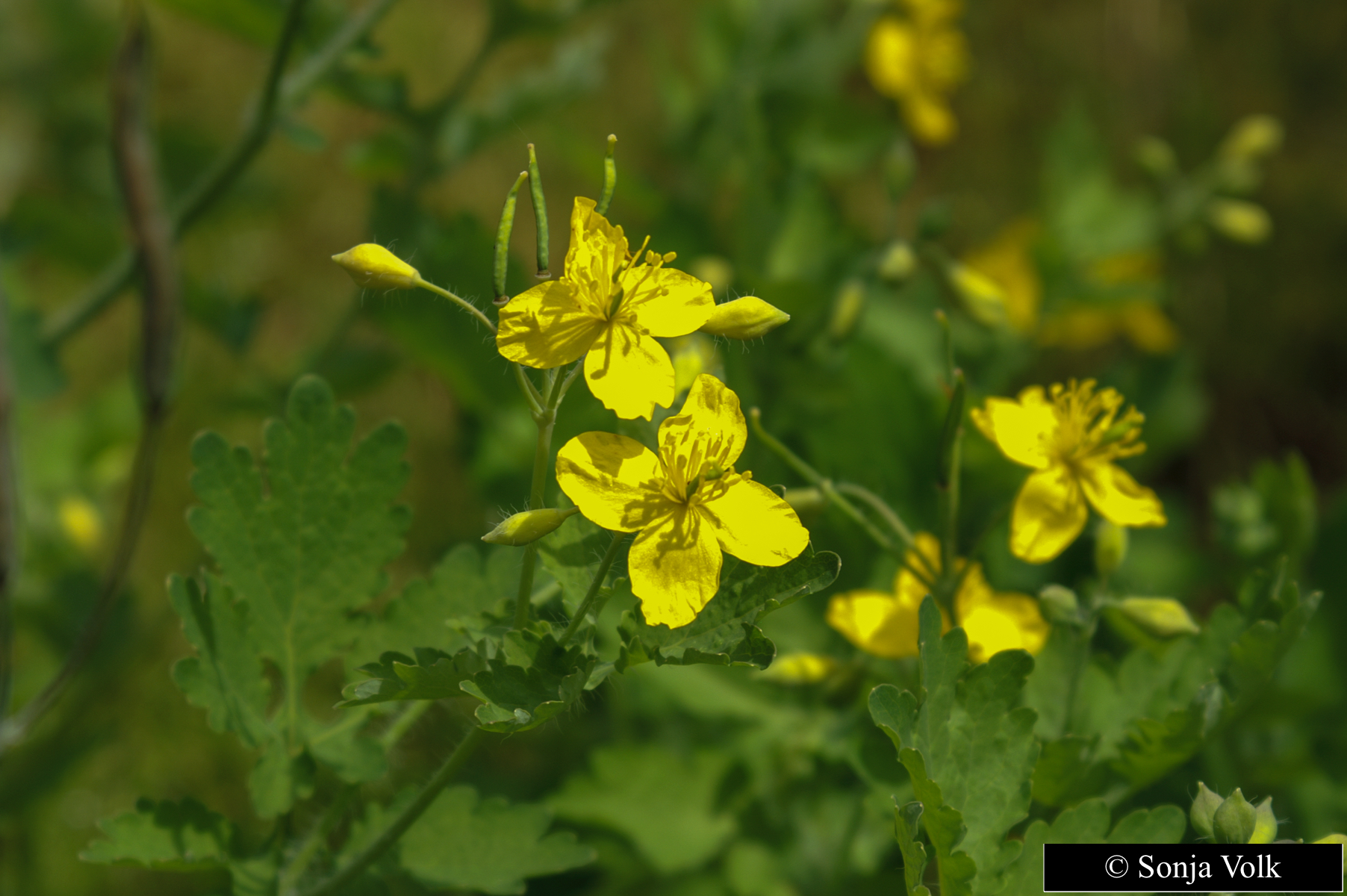
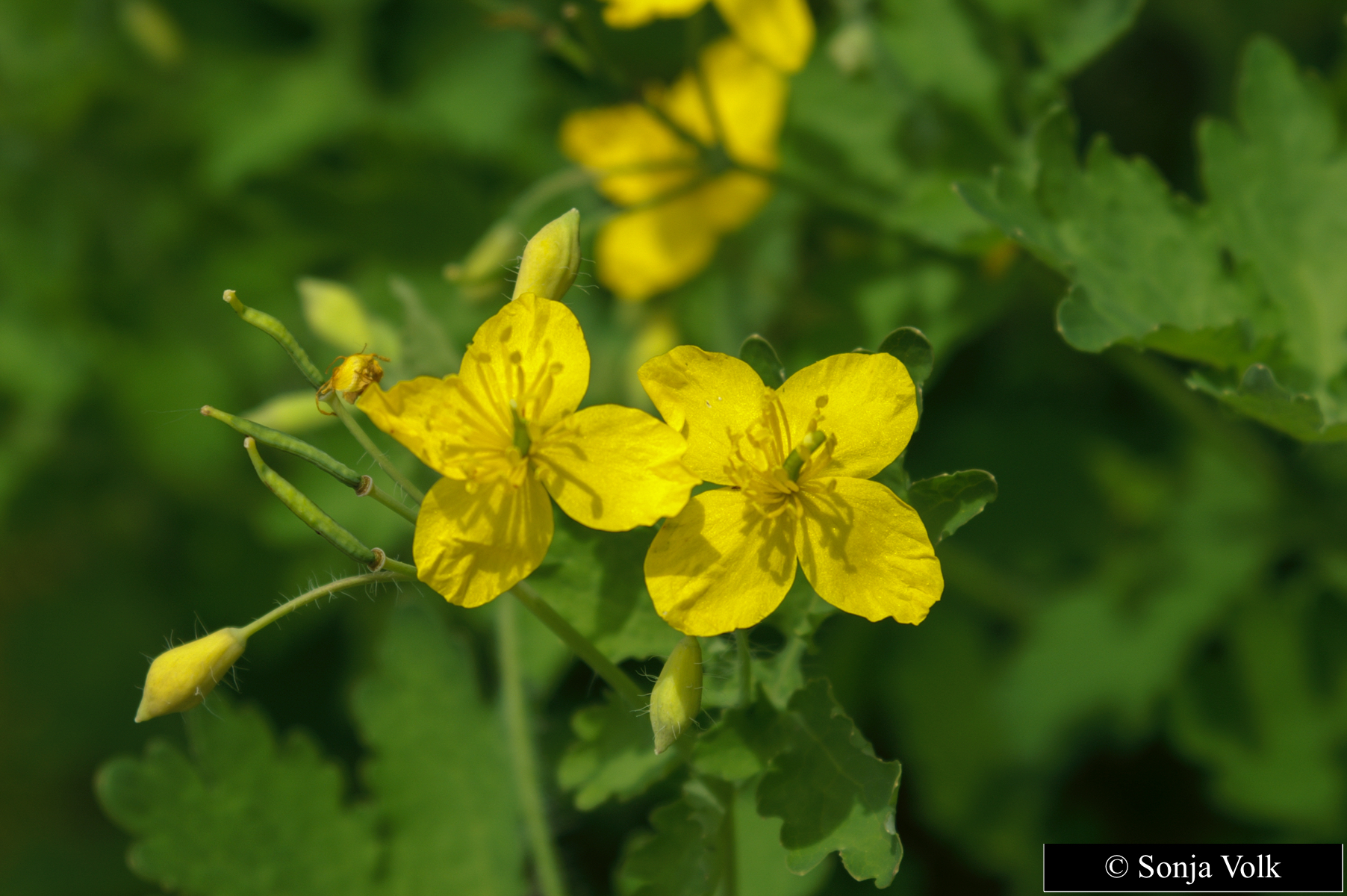
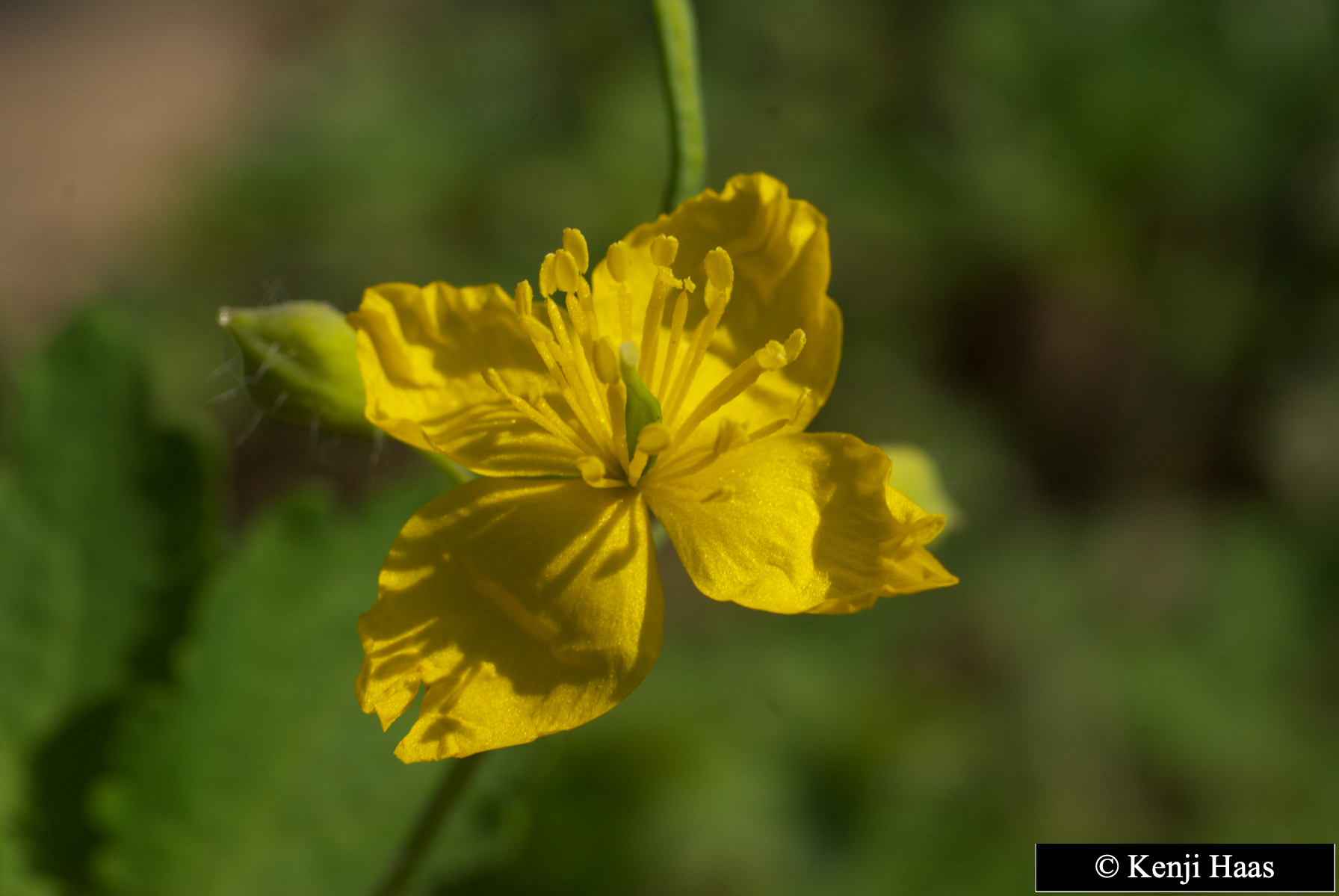
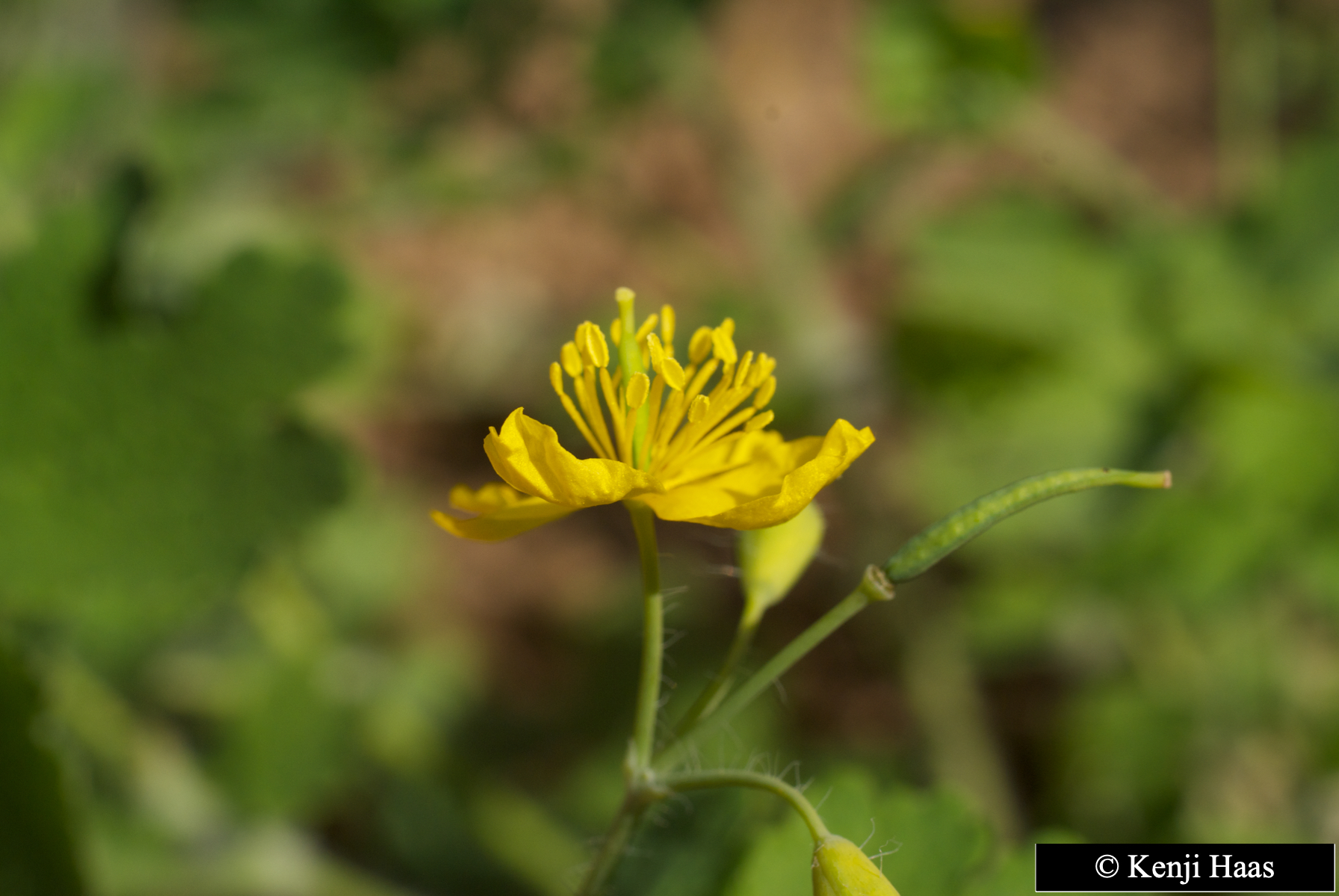
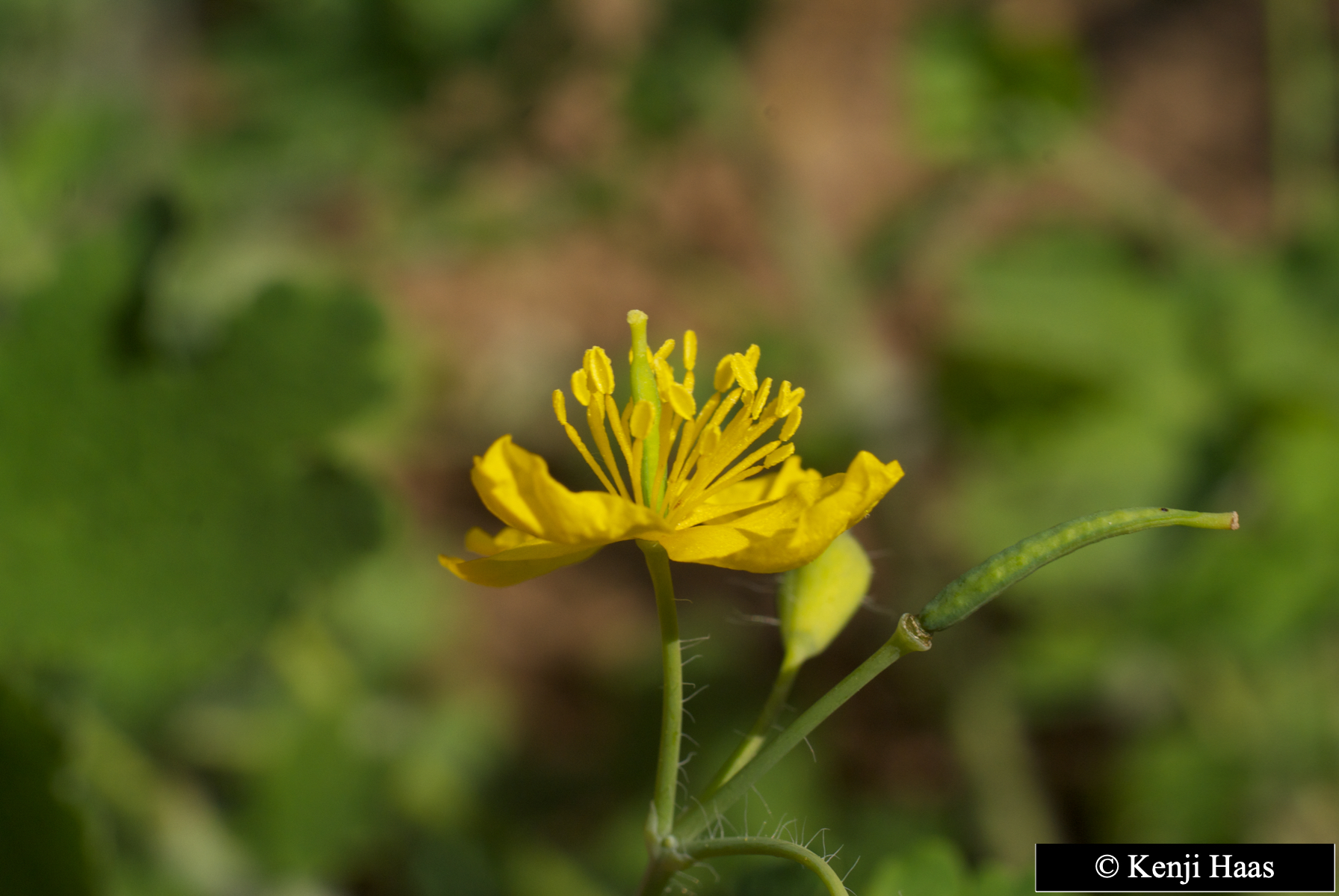
- Color of flower
- yellow
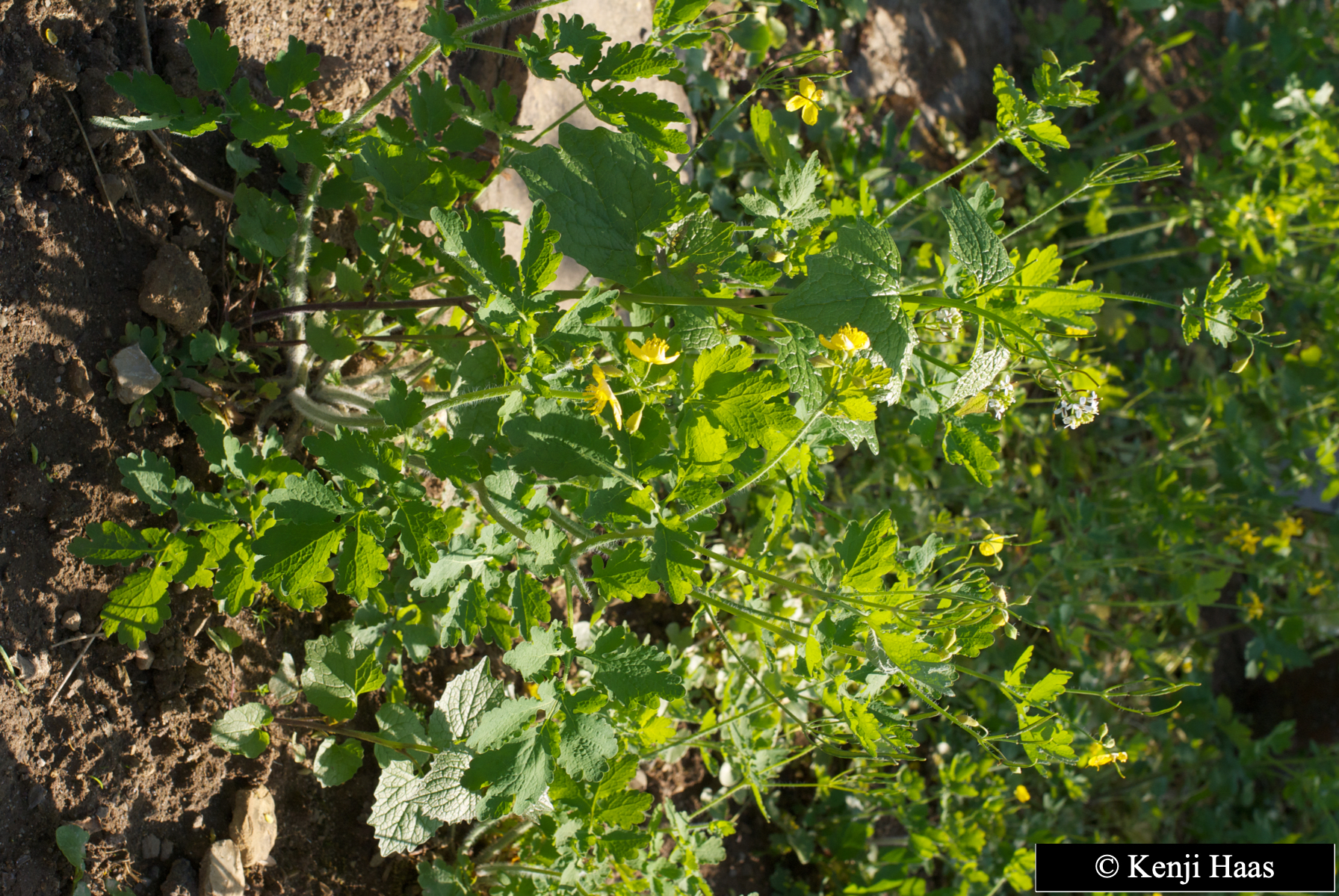
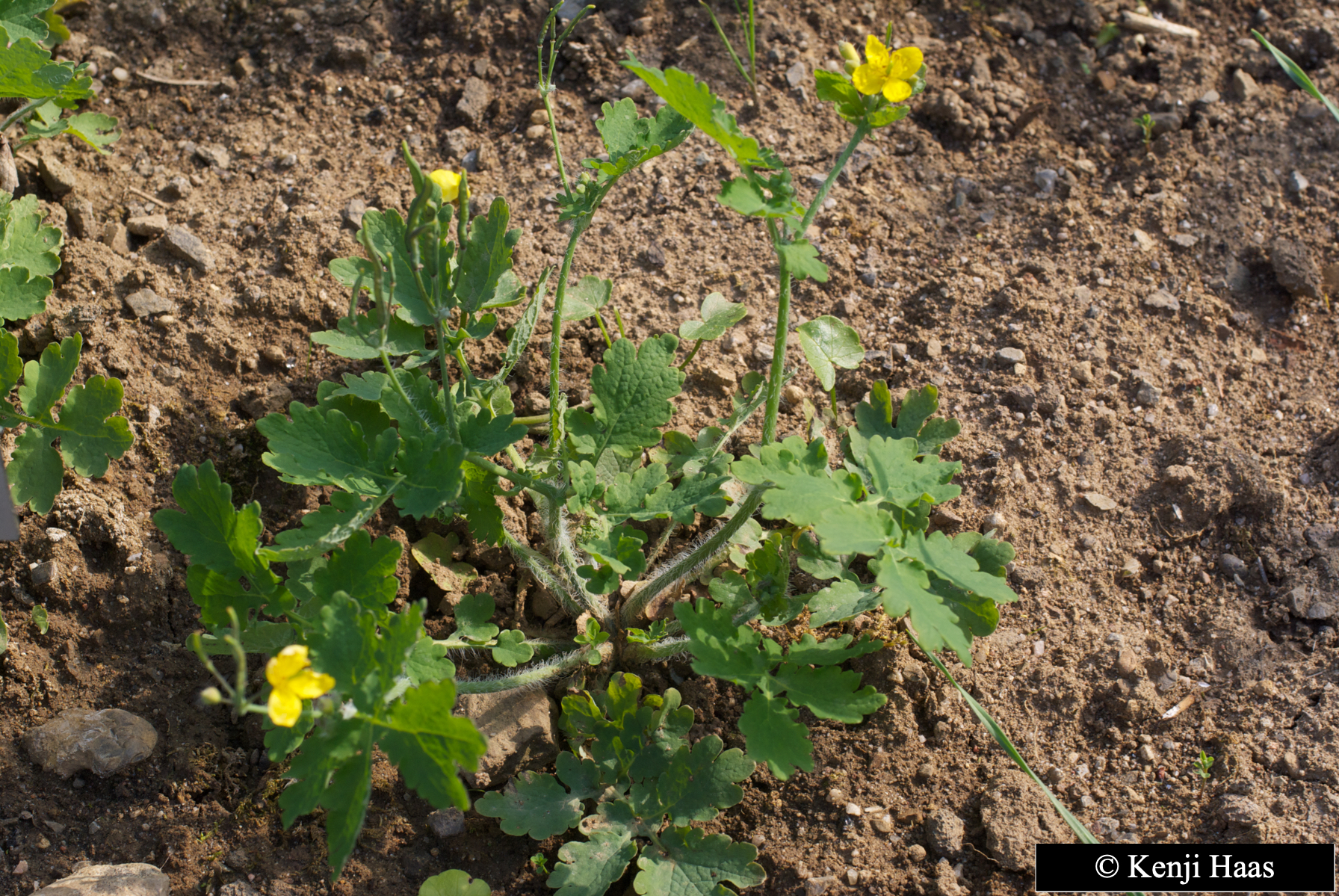
- Life form
- herbaceous, terrestrial, perennial
Breunig, T. et al. (2021): Rote Liste der Farn- und Blütenpflanzen Baden-Württembergs.; Bundesamt für Naturschutz (BfN) (1999-2001 and ongoing): Floraweb - Daten und Informationen zu Wildpflanzen und zur Vegetation Deutschlands. www.floraweb.de.; Erhardt, W., Götz, E., Bödeker, N. & Seybold, S. (2008): Der große Zander. Enzyklopädie der Pflanzennamen. Band 2. Arten und Sorten. Eugen Ulmer KG, Stuttgart (Hohenheim), 18. Aufl., 2103 S.; Haider, M. et al. (2005): Wildbienenkataster. See: https://www.wildbienen-kataster.de; Metzing, D. et al. (2018): Rote Liste und Gesamtartenliste der Farn- und Blütenpflanzen (Trachaeophyta) Deutschlands .; Ministerium für Ernährung, Landwirtschaft, Umwelt und Forsten, Baden-Württemberg (Hrsg.) (1985): Pflanzenkatalog zur Verbesserung der Bienenweide und des Artenreichtums (Kurztitel: Bienenweidekatalog); Oberdorfer, E. (2001): Pflanzensoziologische Exkursionsflora. Für Deutschland und angrenzende Gebiete. Eugen Ulmer Verlag, Stuttgart, 8., stark überarb. u. erg. Aufl, 1056 S. 978-3-8001-3131-0.; Parreno, Alejandra et al. (2025): Visitation records of bees in Germany (58 plots). See: https://www.bexis.uni-jena.de/ddm/data/Showdata/31131?version=12; Pritsch, Günter et al. (2007): 200 Trachtpflanzen erkennen und bewerten.. Kosmos, Stuttgart; Schick, B. & Spürgin, A. (1997): Die Bienenweide. Eugen Ulmer Verlag, Stuttgart, Auflage: 4., völlig neubearb. u. erw. A., 216 S. 978-3800174188.; The International Plant Names Index (2009). Published on the Internet http://www.ipni.org; Courtesy to IPNI, 2009. Exported from IPNI at date: 2009-09-22 20:17:51; Westrich, P. et al. (2018): Die Wildbienen Deutschlands.. Ulmer Verlag ISBN 978-8186-0123-2.;
Diese Webseite verwendet Google Maps, um Karten und Standorte von Pflanzen in den Hohenheimer Gärten anzuzeigen. Dadurch werden unter Umständen Daten an Google weitergeleitet, was mit einer Verarbeitung Ihrer personenbezogenen Daten verbunden sein kann. Die Datenschutzerklärung von Google finden Sie hier: Datenschutzerklärung von Google
| Sex | Standort | Accession number | Planting year | Donation | IPEN | Lat. | Long. |
|---|