
Useful information about the taxon (species, subspecies, variety...)
Cyanus segetum Hill 1762
Asteraceae (Compositae)
(APG IV)Taxon concept: Global Compositae Database (TICA)
Centaurea cyanus L. - Accepted: Centaurea cyanus L. bei Zander 2008; Familie: Asteraceae (Compositae) (Zander 2008)Centaurea cyanus L. - Accepted: Centaurea cyanus L. bei The Plant List (2010); Familie: Asteraceae (Compositae) (APG III)Centaurea cyanus L. - Synonym: Cyanus segetum Hill bei The Plant List (2014), version 1.1; Familie: Asteraceae (Compositae) (APG III)Cyanus segetum Hill - Accepted: Cyanus segetum Hill bei The Plant List (2014), version 1.1; Familie: Asteraceae (Compositae) (APG III)Centaurea cyanus L. - Accepted: Centaurea cyanus L. bei The Plant List (2010); Familie: Asteraceae (Compositae) (APG IV)Centaurea cyanus L. - Accepted: Centaurea cyanus L. bei BfN Checklist Flora DE; Familie: Asteraceae (Compositae) (APG IV)Cyanus segetum Hill - Accepted: Cyanus segetum Hill bei Schmeil-Fitschen 2019; Familie: Asteraceae (Compositae) (APG IV)Cyanus segetum Hill - Accepted: Cyanus segetum Hill bei The Plant List (2014), version 1.1; Familie: Asteraceae (Compositae) (APG IV)Centaurea cyanus L. - Accepted: Centaurea cyanus L. bei World Flora Online - APG IV (Angiosperms); Familie: Asteraceae (Compositae) (World Flora Online - APG IV (Angiosperms))
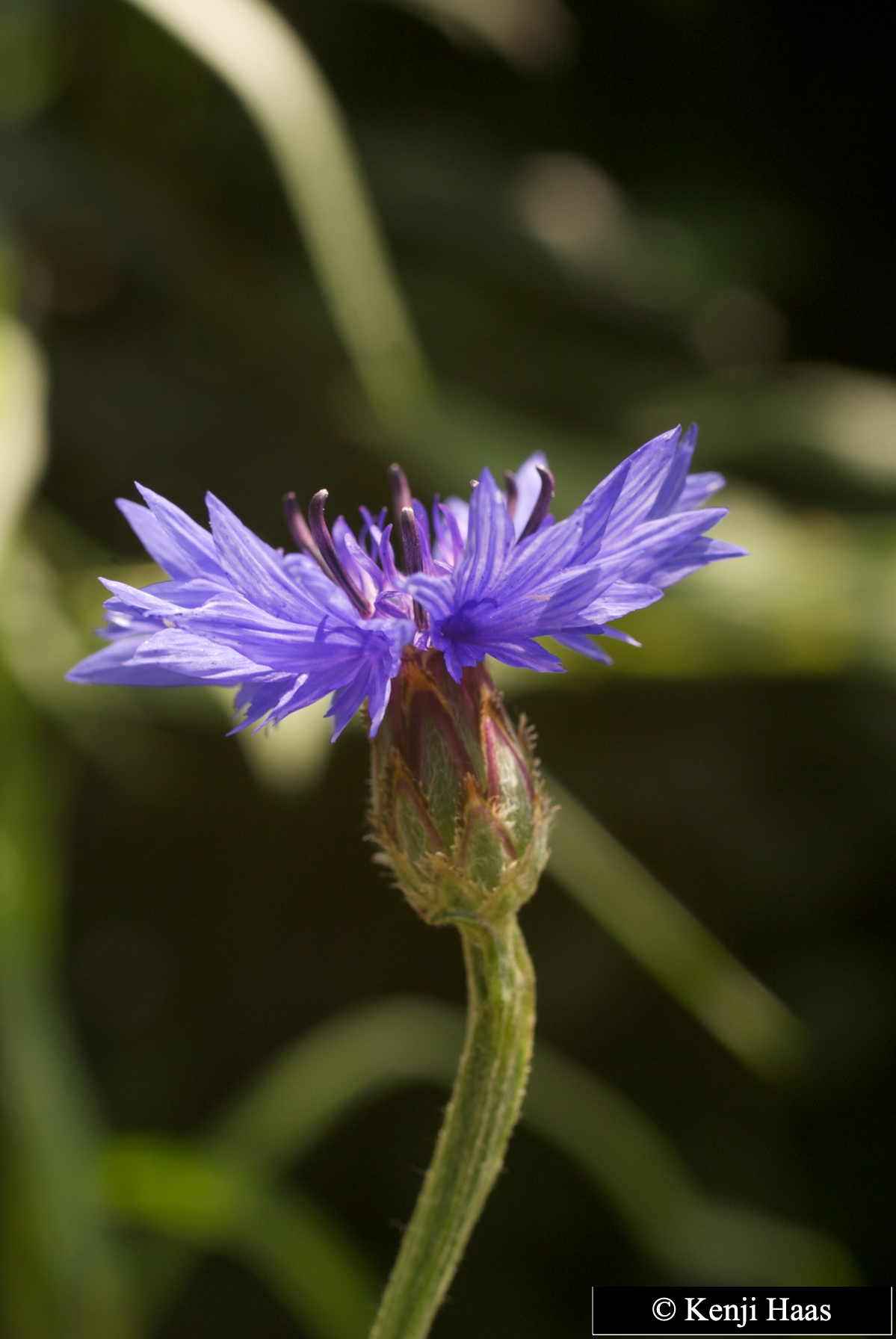
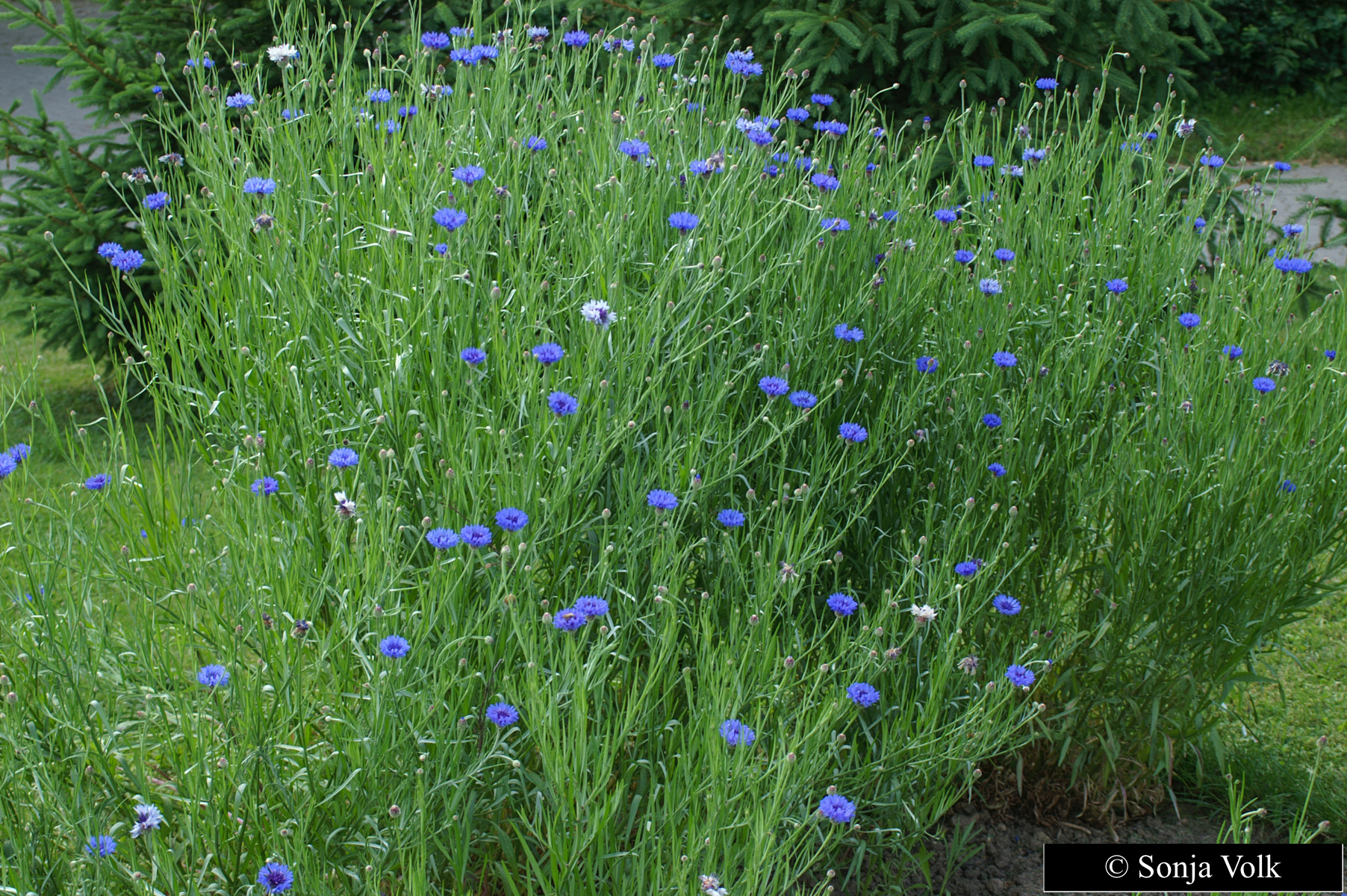
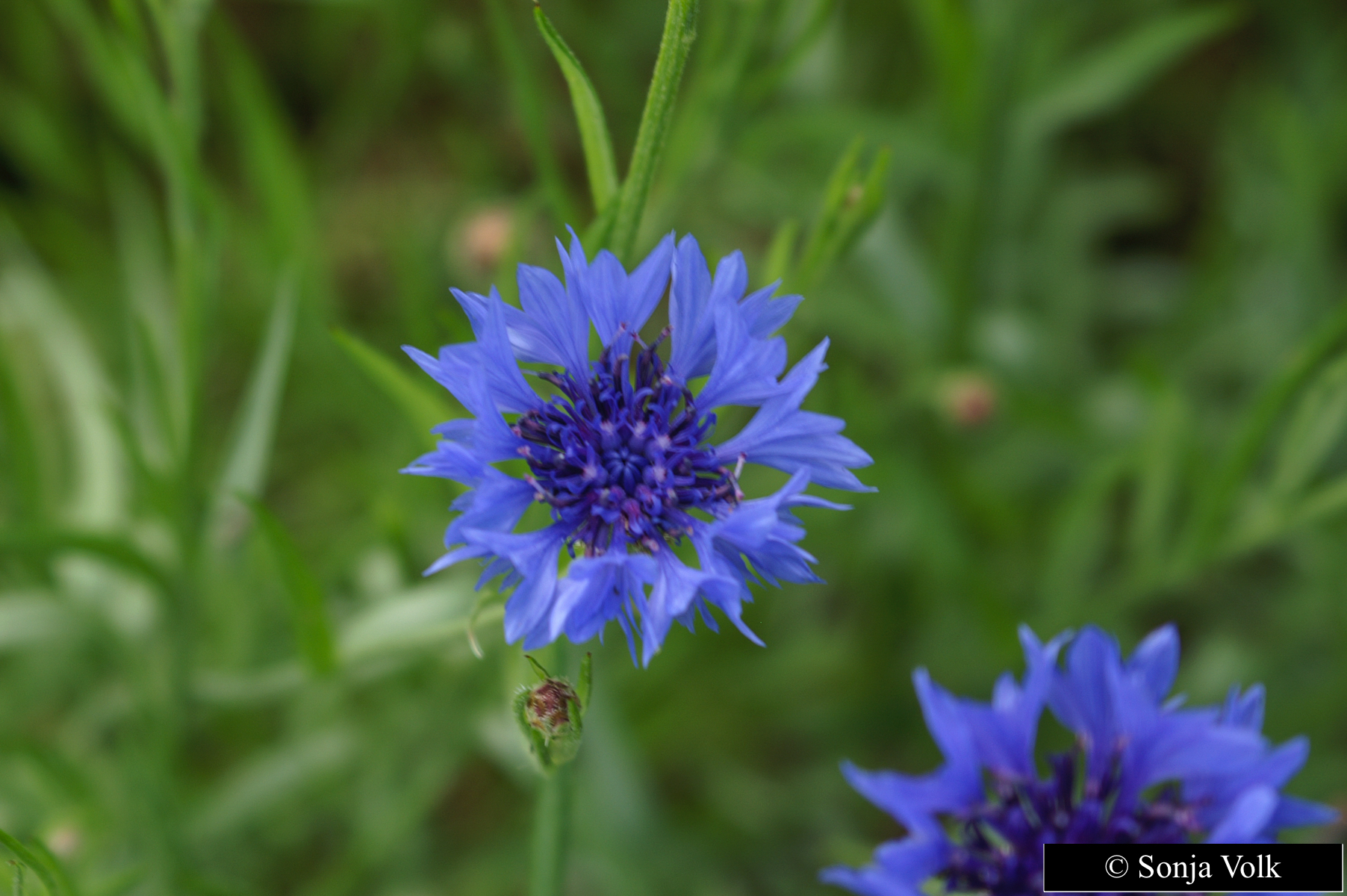
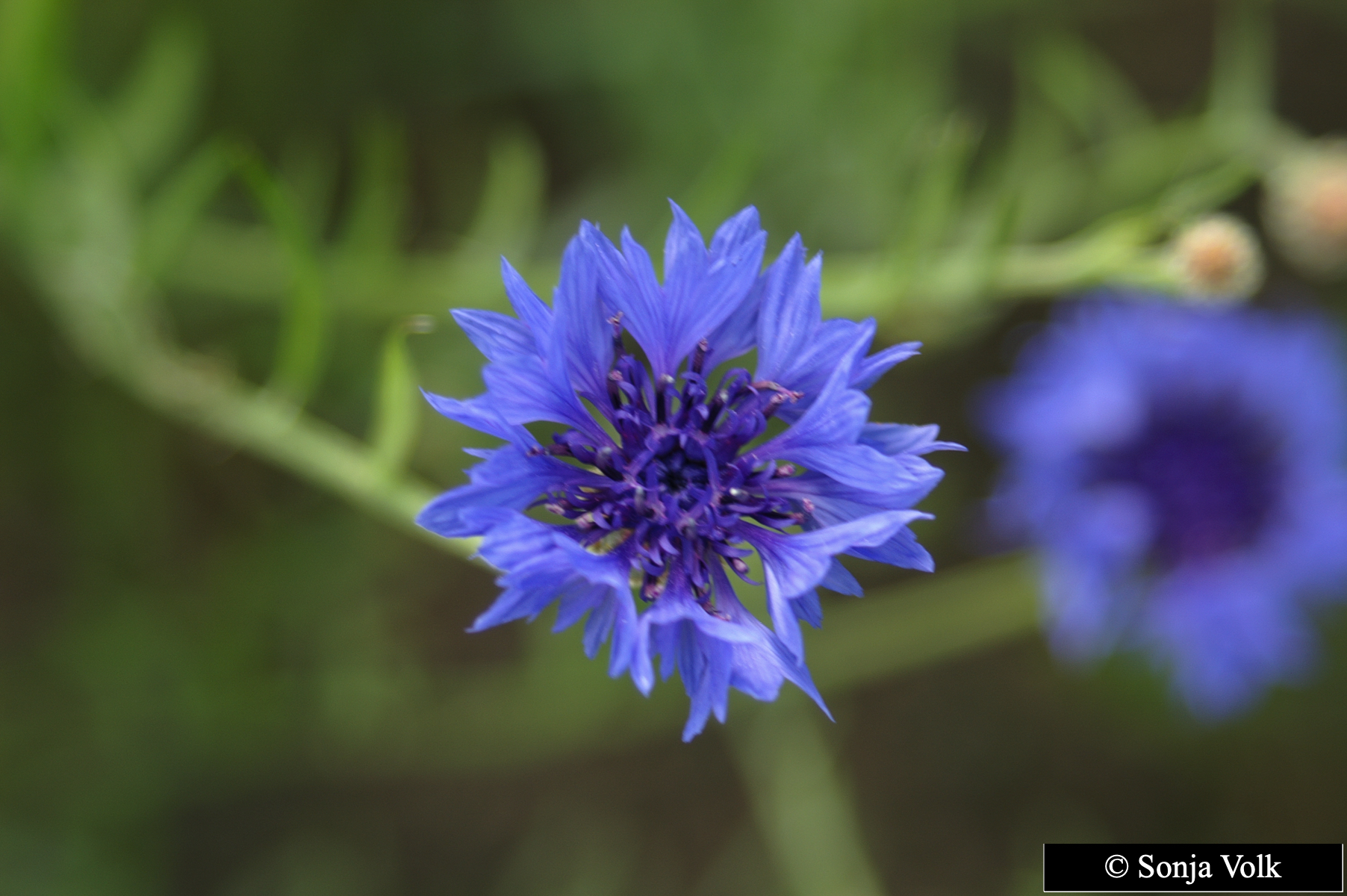
- Color of flower
- blue
- Life form
- herbaceous, terrrestrial, annual
Erhardt, W., Götz, E., Bödeker, N. & Seybold, S. (2008): Der große Zander. Enzyklopädie der Pflanzennamen. Band 2. Arten und Sorten. Eugen Ulmer KG, Stuttgart (Hohenheim), 18. Aufl., 2103 S.; Global Biodiversity Information Facilty (GBIF). Online Publication: www.gbif.org; Haider, M. et al. (2005): Wildbienenkataster. See: https://www.wildbienen-kataster.de; Kämper, Wiebke et al. (2018): Flower visitation honeybee and bumblebee. See: https://www.bexis.uni-jena.de/ddm/data/Showdata/16086?version=2; Maurizio, Anna et al. (1982): Nektar und Pollen - die wichtigsten Nahrungsquellen der Honigbiene. 4. Ehrenwirth, München, 3, überabeitete Auflage; Pritsch, Günter et al. (1985): Bienenweide.. Neumann-Neudamm, Melsungen; Pritsch, Günter et al. (2007): 200 Trachtpflanzen erkennen und bewerten.. Kosmos, Stuttgart; The International Plant Names Index (2009). Published on the Internet http://www.ipni.org; Courtesy to IPNI, 2009. Exported from IPNI at date: 2009-09-22 20:17:51; Werle, Susanne et al. (2015): ITS2 DNA metabarcoding of wild bee pollen loads, collected in 2020 and 2021 across all three exploratories. See: https://www.bexis.uni-jena.de/ddm/data/Showdata/31545?version=6; Westrich, P. et al. (2018): Die Wildbienen Deutschlands.. Ulmer Verlag ISBN 978-8186-0123-2.;
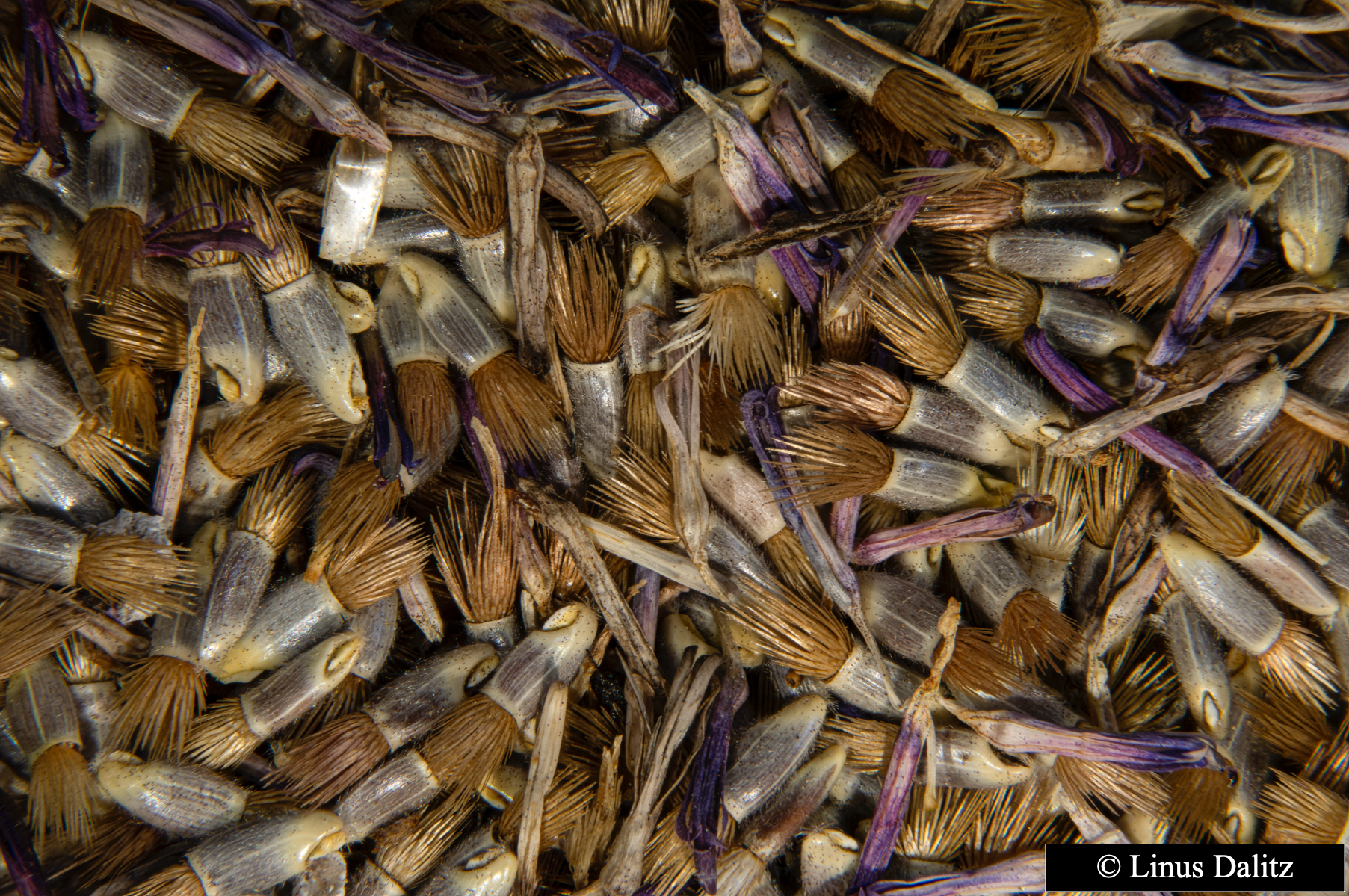
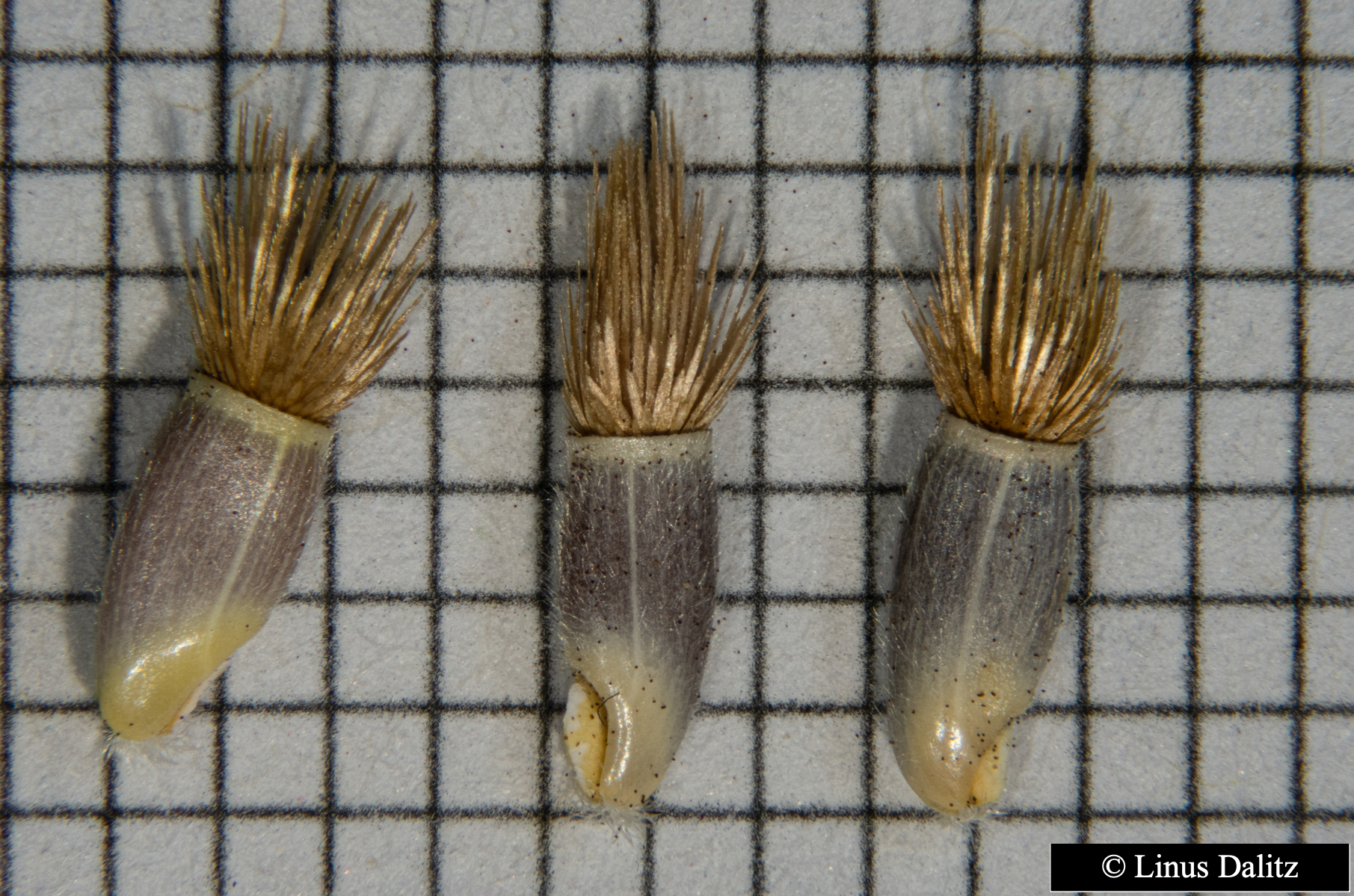
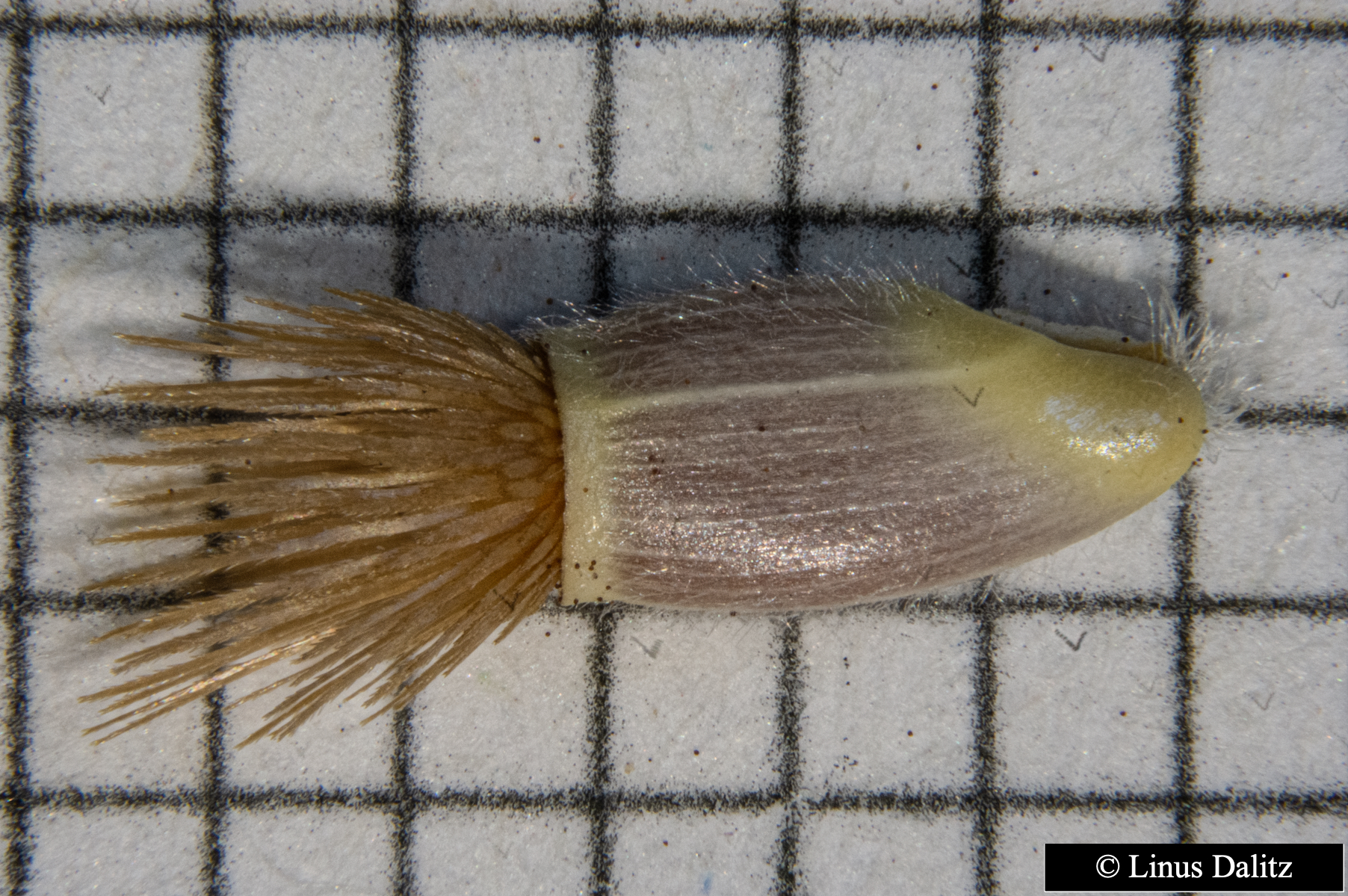
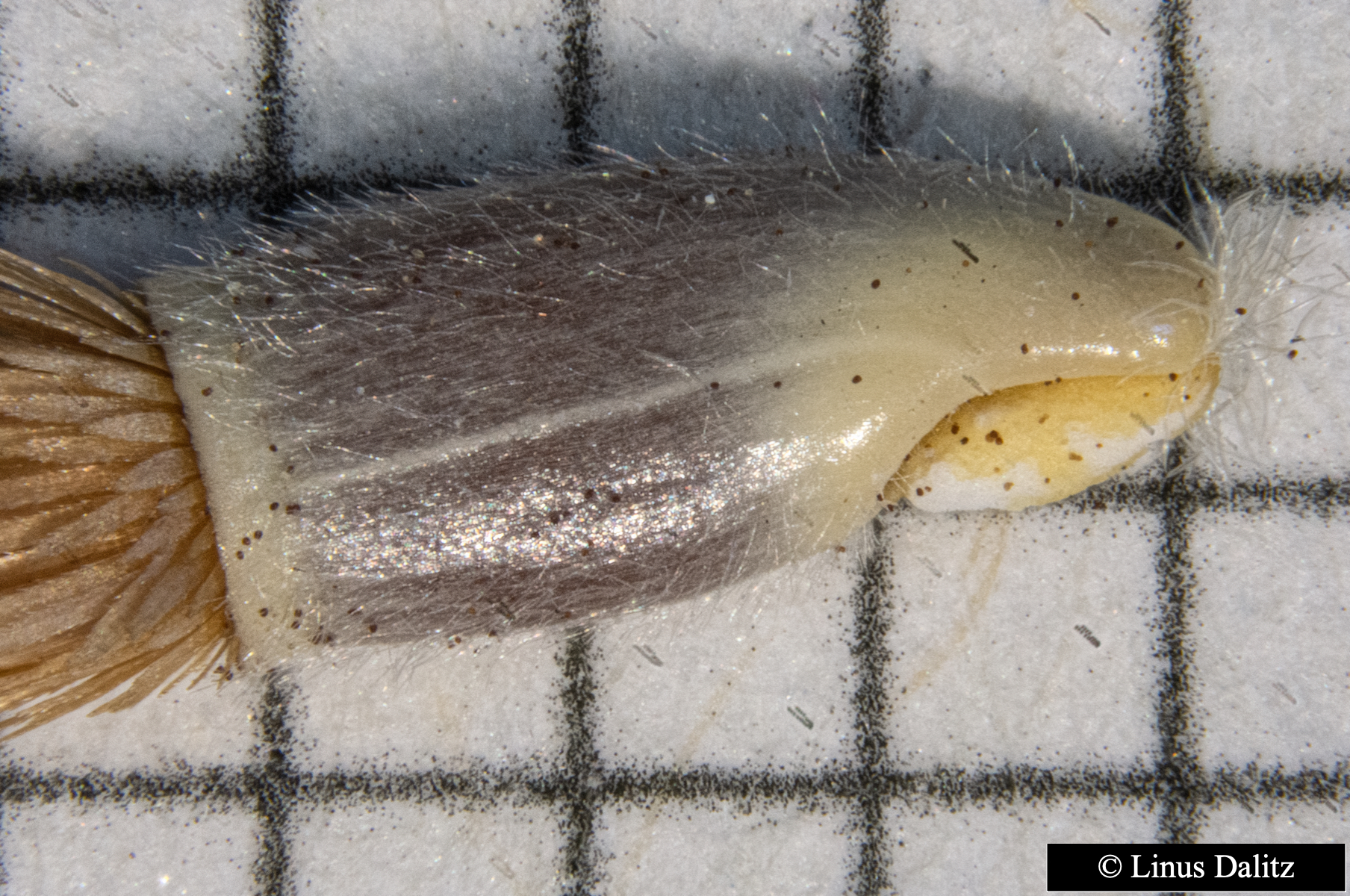
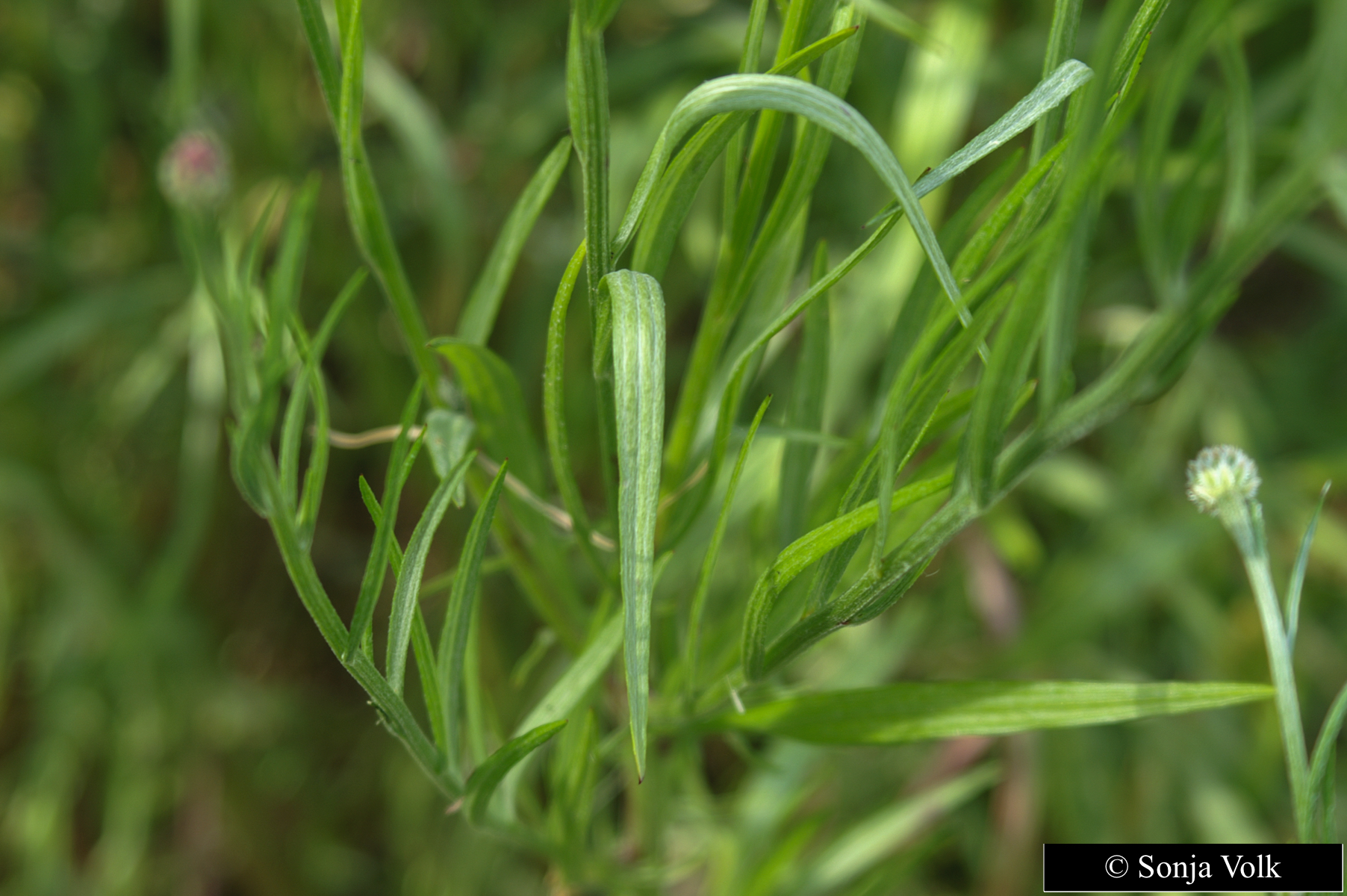
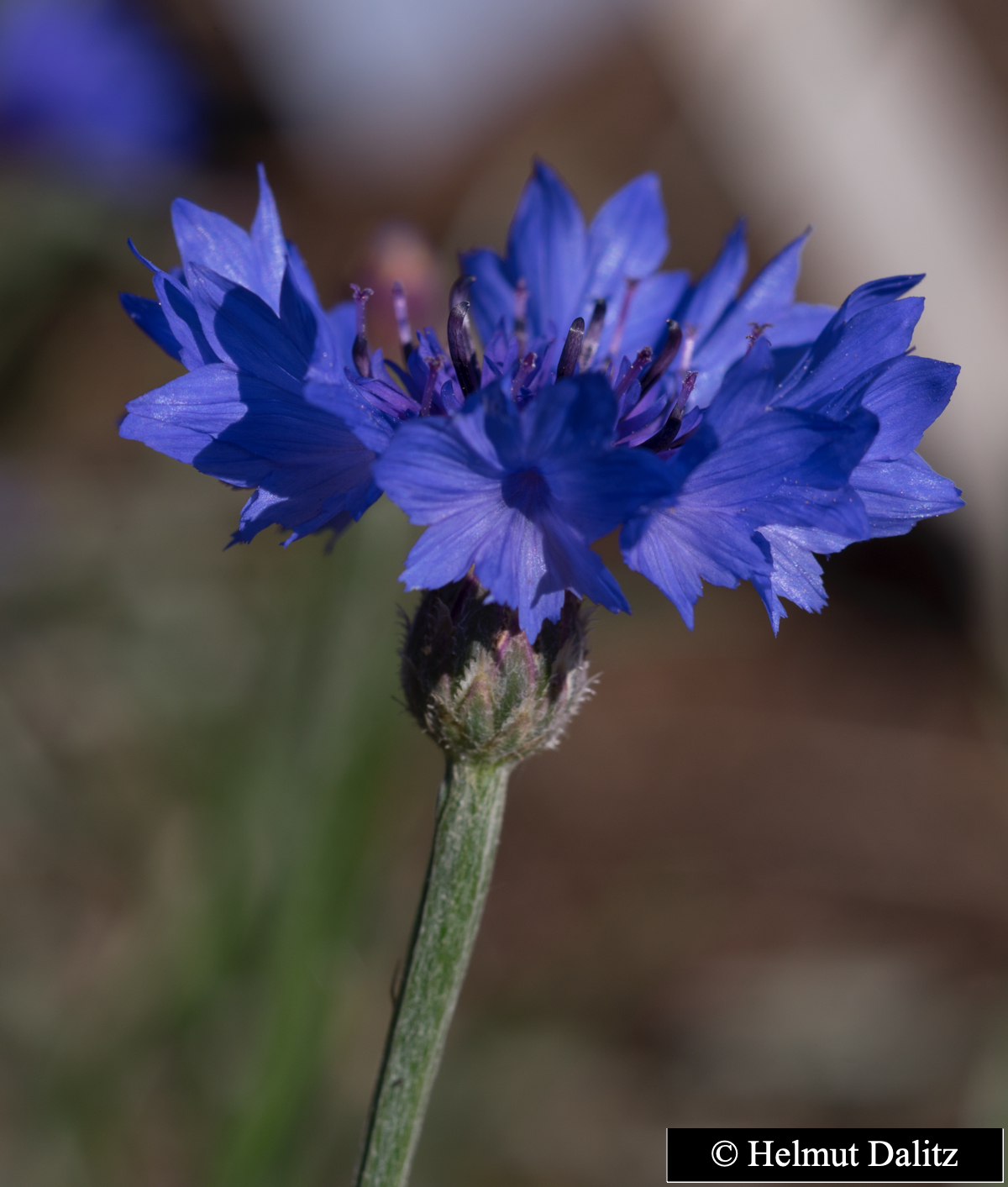
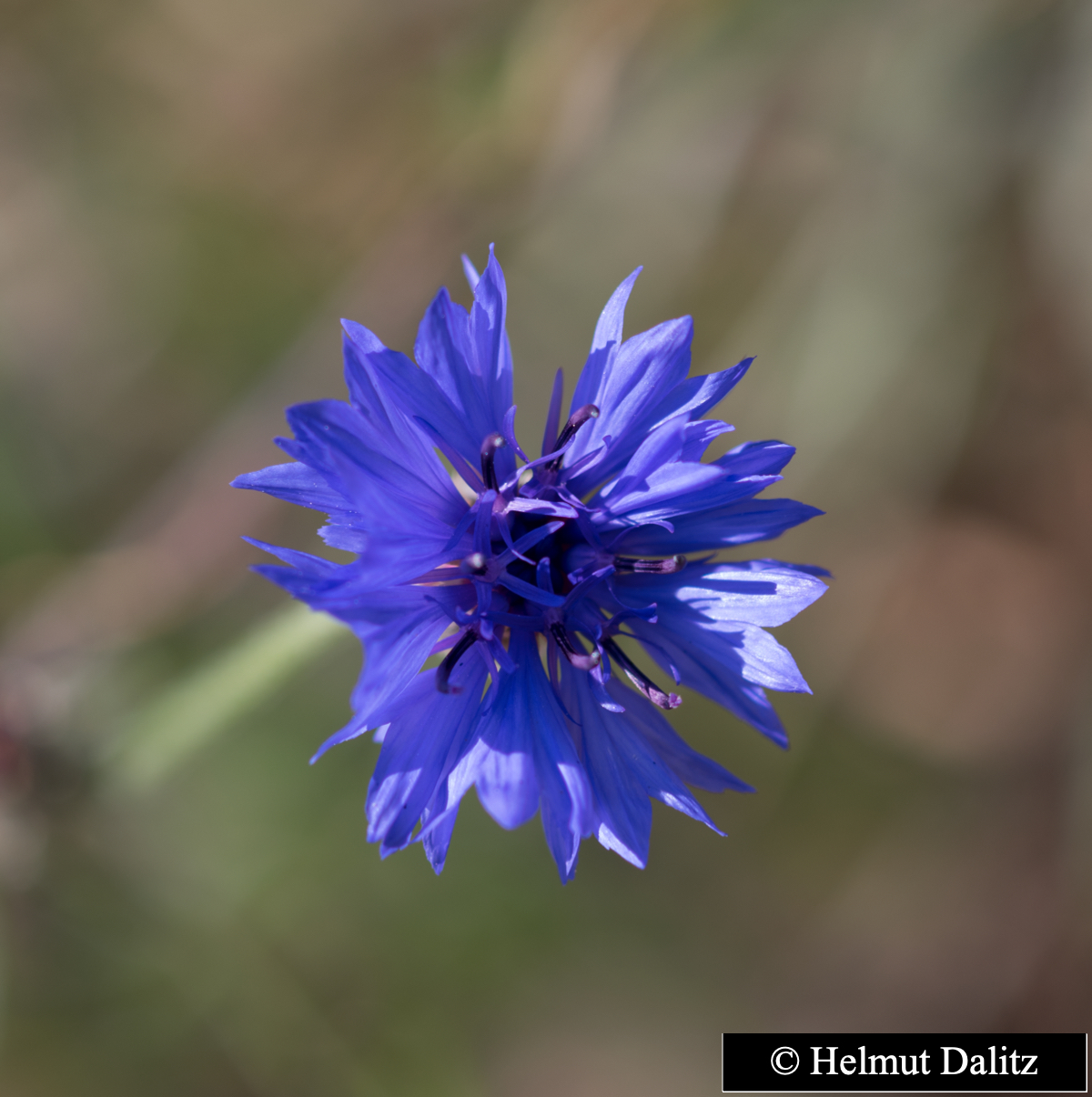
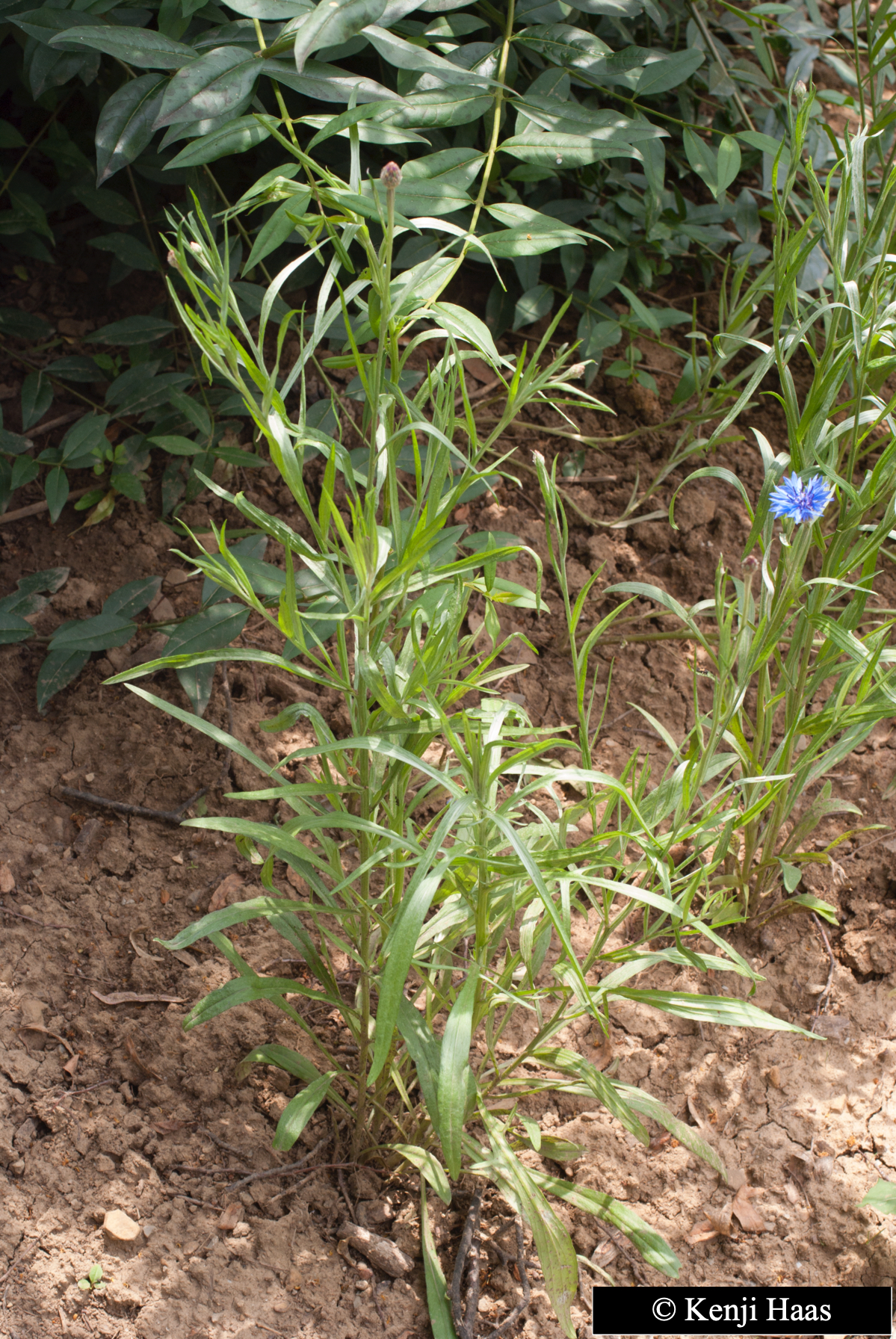
| Sex | Standort | Accession number | Planting year | Donation | IPEN | Lat. | Long. |
|---|---|---|---|---|---|---|---|
| Glykoside - Bitterstoffe | MArz-804 | XX-0-HOH-MArz-804 | 48,70927918 | 9,21179373 | |||
| Asteraceae | SYS-26860 | AT-0-BGAT-0028202 | 0 | 0 |