
Useful information about the taxon (species, subspecies, variety...)
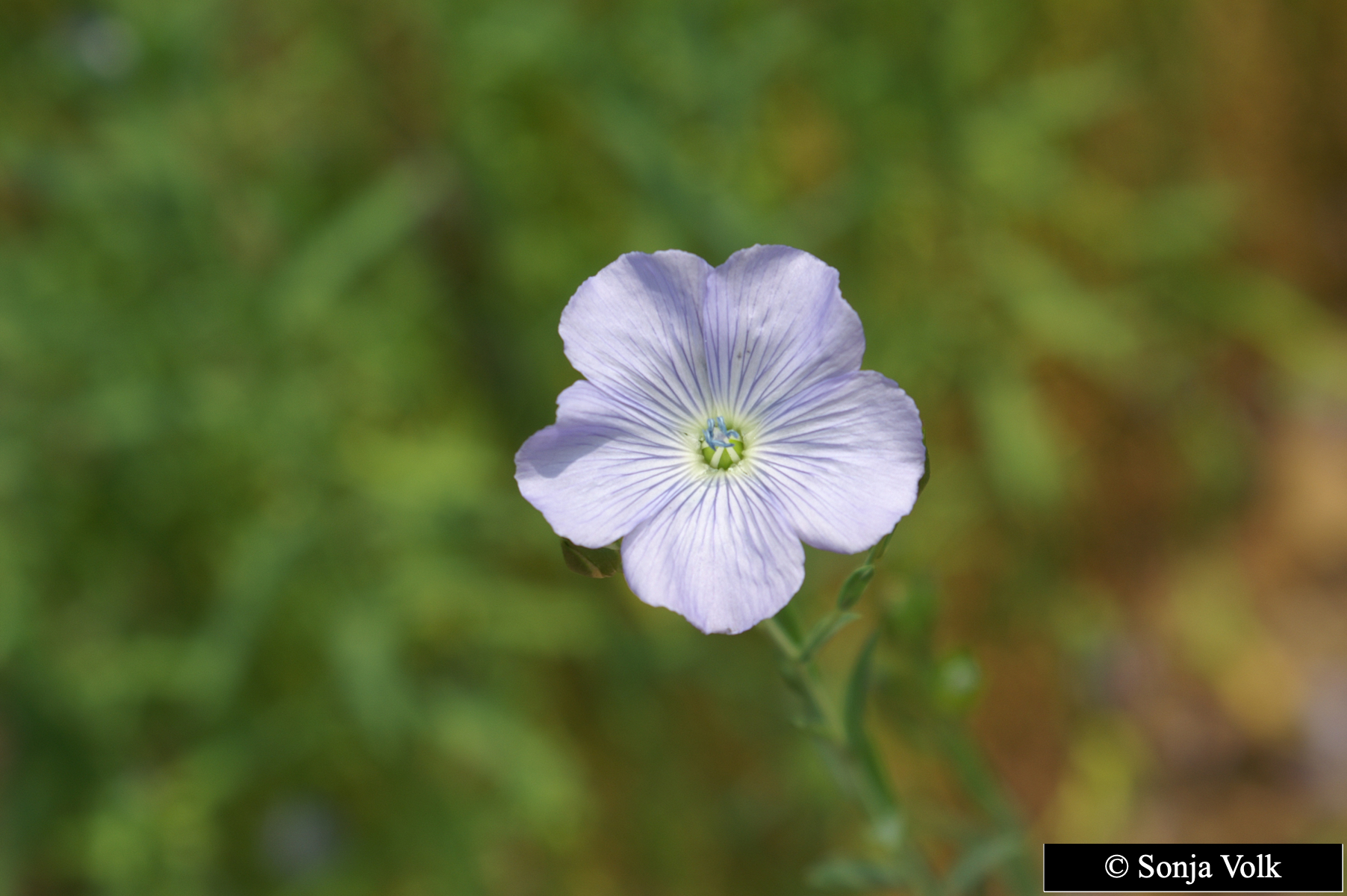
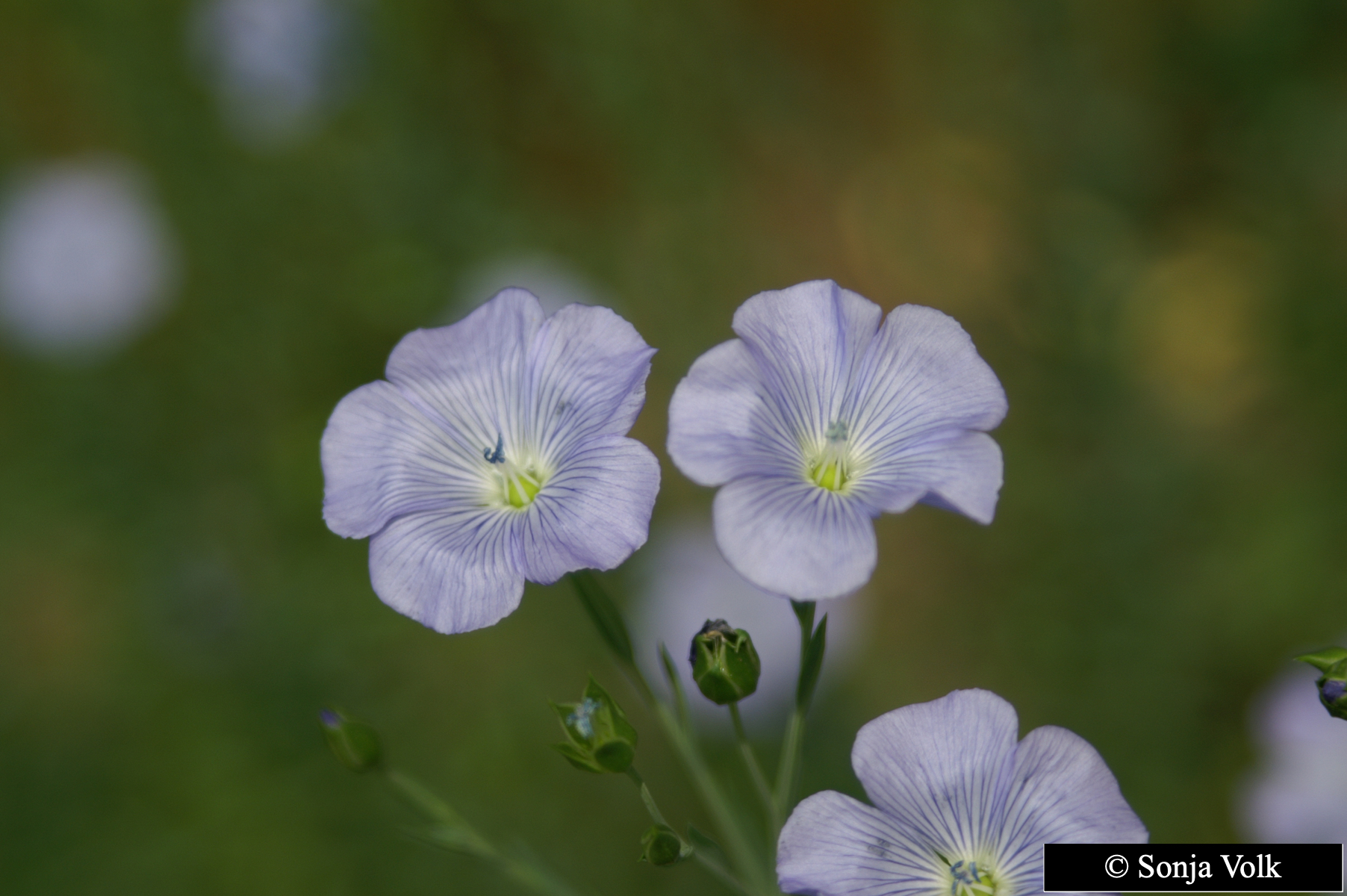
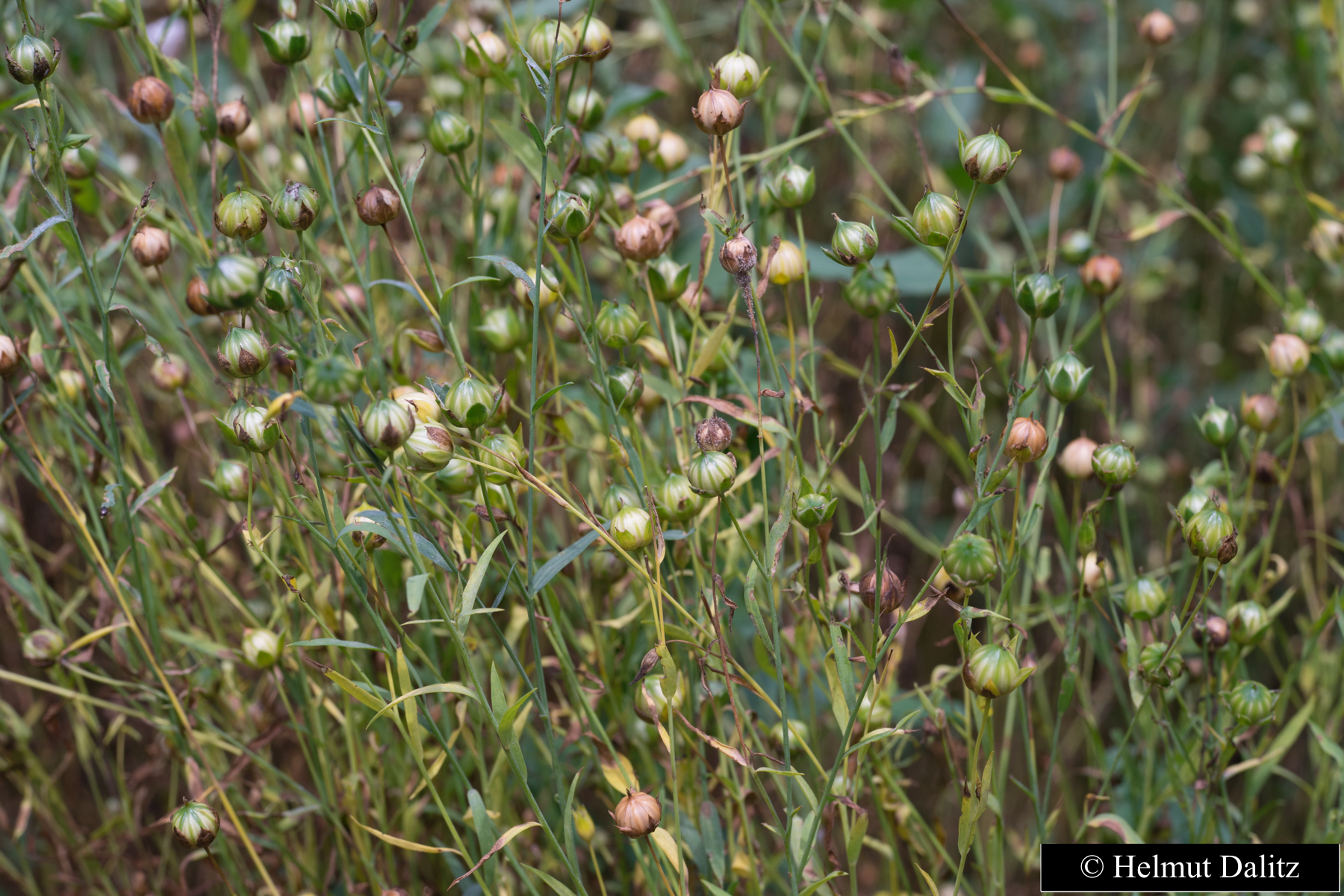
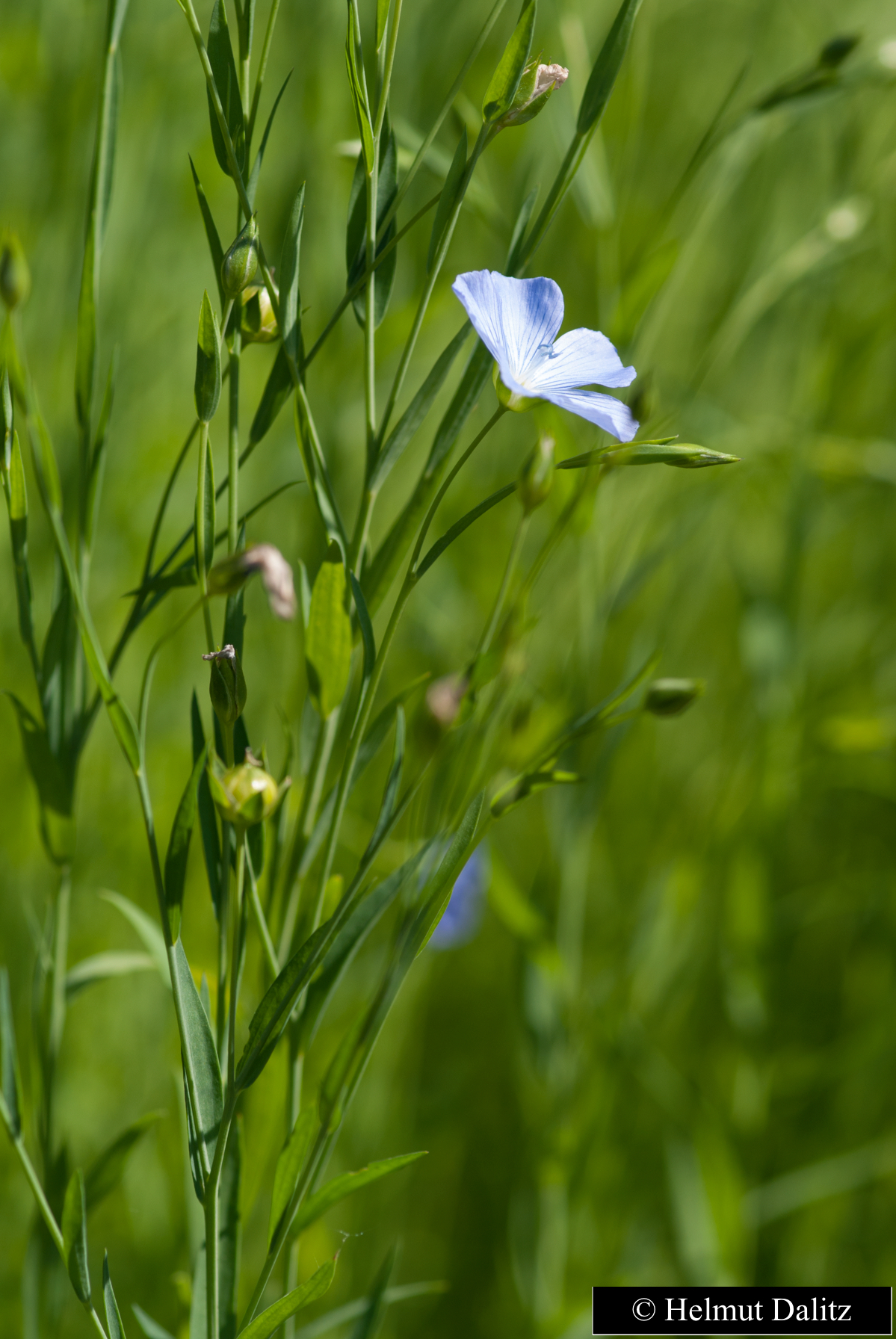
Linum usitatissimum L. 1753
Linaceae
(APG IV)Taxon concept: The Plant List (2010)
Linum usitatissimum L. - Accepted: Linum usitatissimum L. bei Zander 2008; Familie: Linaceae (Zander 2008)Linum usitatissimum L. - Accepted: Linum usitatissimum L. bei The Plant List (2010); Familie: Linaceae (APG III)Linum usitatissimum L. - Accepted: Linum usitatissimum L. bei The Plant List (2014), version 1.1; Familie: Linaceae (APG III)Linum usitatissimum L. - Accepted: Linum usitatissimum L. bei The Plant List (2014), version 1.1; Familie: Linaceae (APG IV)Linum usitatissimum L. - Accepted: Linum usitatissimum L. bei BfN Checklist Flora DE; Familie: Linaceae (APG IV)Linum usitatissimum L. - Accepted: Linum usitatissimum L. bei World Flora Online - APG IV (Angiosperms); Familie: Linaceae (World Flora Online - APG IV (Angiosperms))
- Life form
- herbaceous, terrrestrial, annual
Breunig, T. et al. (2021): Rote Liste der Farn- und Blütenpflanzen Baden-Württembergs.; Erhardt, W., Götz, E., Bödeker, N. & Seybold, S. (2008): Der große Zander. Enzyklopädie der Pflanzennamen. Band 2. Arten und Sorten. Eugen Ulmer KG, Stuttgart (Hohenheim), 18. Aufl., 2103 S.; Frenzel, B. (2006): Heilpflanzen der Äbtissin Hildegrad von Bingen (1098 - 1179 n. Chr. im Botanischen Garten der Universität Hohenheim - ein Beispiel für den langen Gang medizinischer Erfahrungen und Hoffnungen. Hildegard von Bingen - und der Hohenheimer Heilpflanzengarten (Hrsg. Fellmeth, U.); Haider, M. et al. (2005): Wildbienenkataster. See: https://www.wildbienen-kataster.de; Jörn Breuer et al. (2023): Informationen zu ausgewählten ackerbaulichen Maßnahmen in FAKT II und im Rahmen der Öko-Regelungen bei den Direktzahlungen.. Landwirtschaftliches Technologiezentrum Augustenberg; Maurizio, Anna et al. (1982): Nektar und Pollen - die wichtigsten Nahrungsquellen der Honigbiene. 4. Ehrenwirth, München, 3, überabeitete Auflage; Metzing, D. et al. (2018): Rote Liste und Gesamtartenliste der Farn- und Blütenpflanzen (Trachaeophyta) Deutschlands .; Oberdorfer, E. (2001): Pflanzensoziologische Exkursionsflora. Für Deutschland und angrenzende Gebiete. Eugen Ulmer Verlag, Stuttgart, 8., stark überarb. u. erg. Aufl, 1056 S. 978-3-8001-3131-0.; Parolly, G. et al. (2019): Schmeil-Fitschen: Die Flora Deutschlands und angrenzender Länder.. Quelle & Meyer Verlag, Wiebelsheim, 97. Aufl.; Pritsch, Günter et al. (2007): 200 Trachtpflanzen erkennen und bewerten.. Kosmos, Stuttgart; Schick, B. & Spürgin, A. (1997): Die Bienenweide. Eugen Ulmer Verlag, Stuttgart, Auflage: 4., völlig neubearb. u. erw. A., 216 S. 978-3800174188.; Schönfelder, P. (2011): Das neue Handbuch der Heilpflanzen.. Franckh-Kosmos Verlags-GmbH & Co. KG, Stuttgart: 502. 978-3-440-12932-6.; Sebald, O. et al. (1992): Die Farn- und Blütenpflanzen Baden-Württembergs. 4. Ulmer: 362. 3800133156.; The International Plant Names Index (2009). Published on the Internet http://www.ipni.org; Courtesy to IPNI, 2009. Exported from IPNI at date: 2009-09-22 20:17:51; Werle, Susanne et al. (2015): ITS2 DNA metabarcoding of wild bee pollen loads, collected in 2020 and 2021 across all three exploratories. See: https://www.bexis.uni-jena.de/ddm/data/Showdata/31545?version=6; Westrich, P. et al. (2018): Die Wildbienen Deutschlands.. Ulmer Verlag ISBN 978-8186-0123-2.;
Diese Webseite verwendet Google Maps, um Karten und Standorte von Pflanzen in den Hohenheimer Gärten anzuzeigen. Dadurch werden unter Umständen Daten an Google weitergeleitet, was mit einer Verarbeitung Ihrer personenbezogenen Daten verbunden sein kann. Die Datenschutzerklärung von Google finden Sie hier: Datenschutzerklärung von Google
| Sex | Standort | Accession number | Planting year | Donation | IPEN | Lat. | Long. |
|---|---|---|---|---|---|---|---|
| Hauterkrankungen | HvB-15385 | XX-0-HOH-HvB-15385 | 48,70897482 | 9,2121672 | |||
| Innere Erkrankungen | HvB-15385 | XX-0-HOH-HvB-15385 | 48,70889695 | 9,21206768 | |||
| Öle und Fette | Marz-15385 | XX-0-HOH-Marz-15385 | 48,70918303 | 9,21185692 | |||
| NP-19274 | XX-0-HOH-NP-19274 | 0 | 0 | ||||
| NP-19274 | XX-0-HOH-NP-19274 | 0 | 0 | ||||
| d1 Entwicklung landwirtschaftlicher Kulturen: Kulturpflanzen der Jungsteinzeit | NP-19274 | XX-0-HOH-NP-19274 | 0 | 0 | |||
| e1 Entwicklung landwirtschaftlicher Kulturen: Bronzezeitliche Rodungsinsel | NP-19274 | XX-0-HOH-NP-19274 | 0 | 0 |