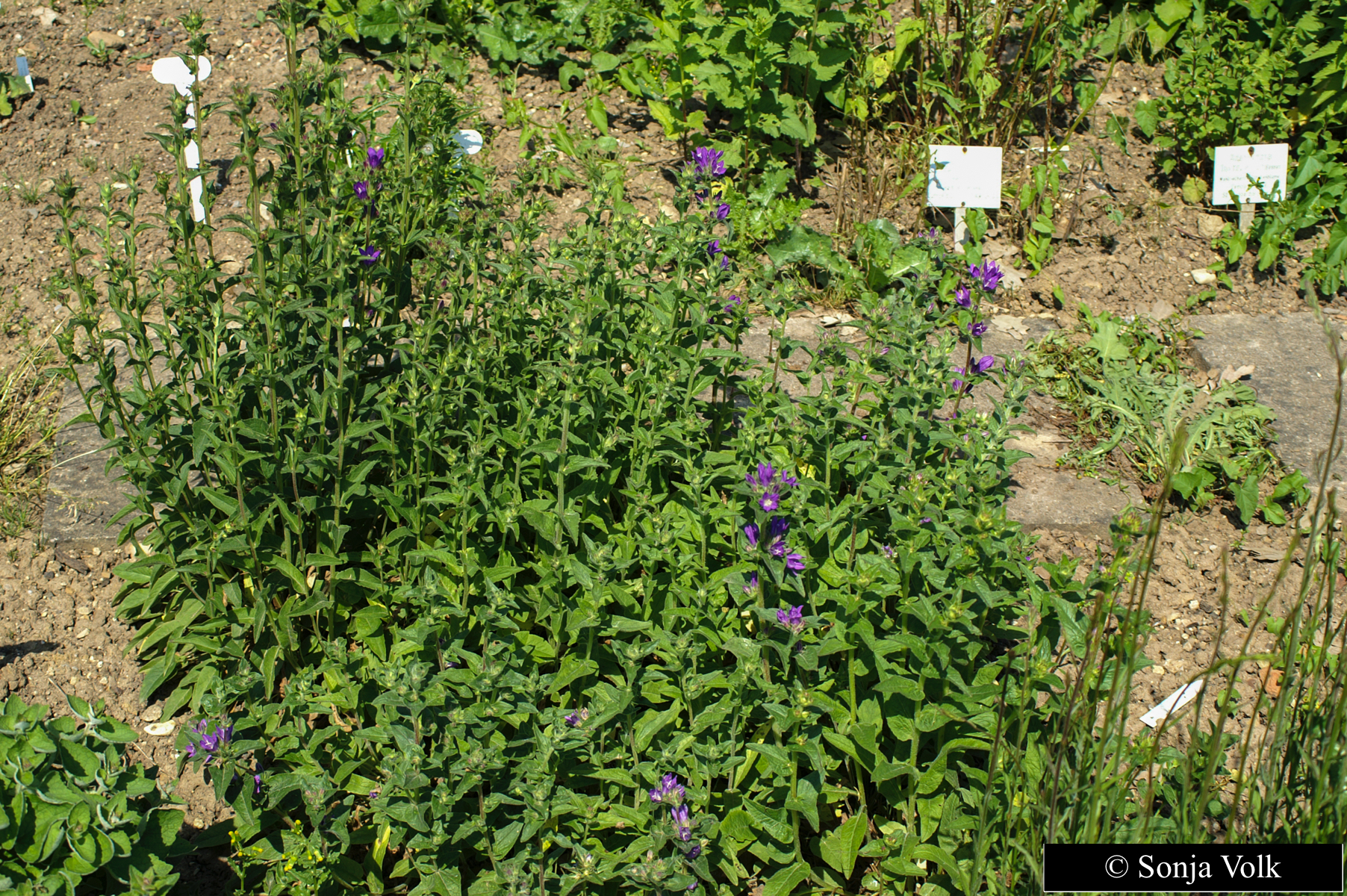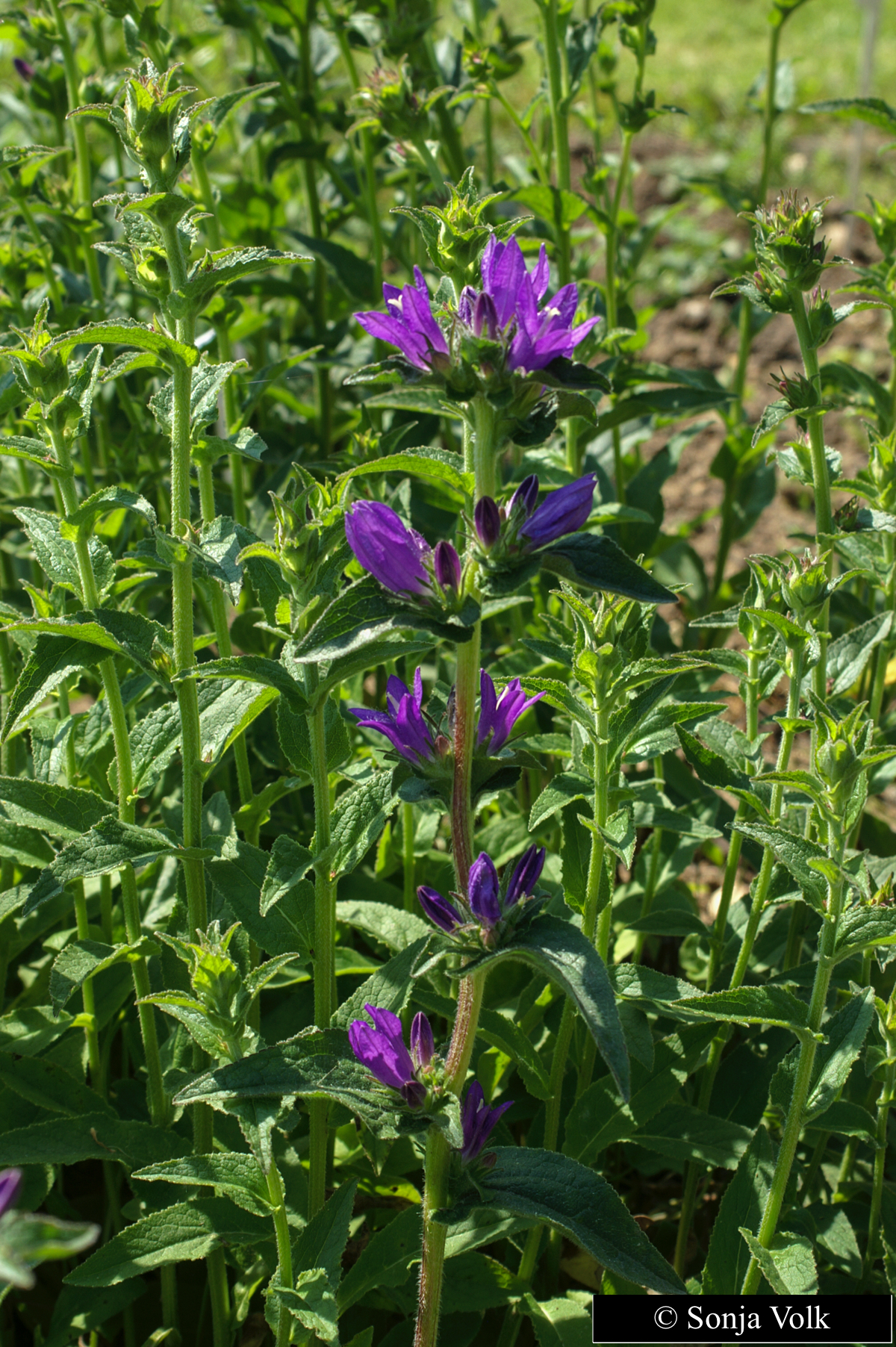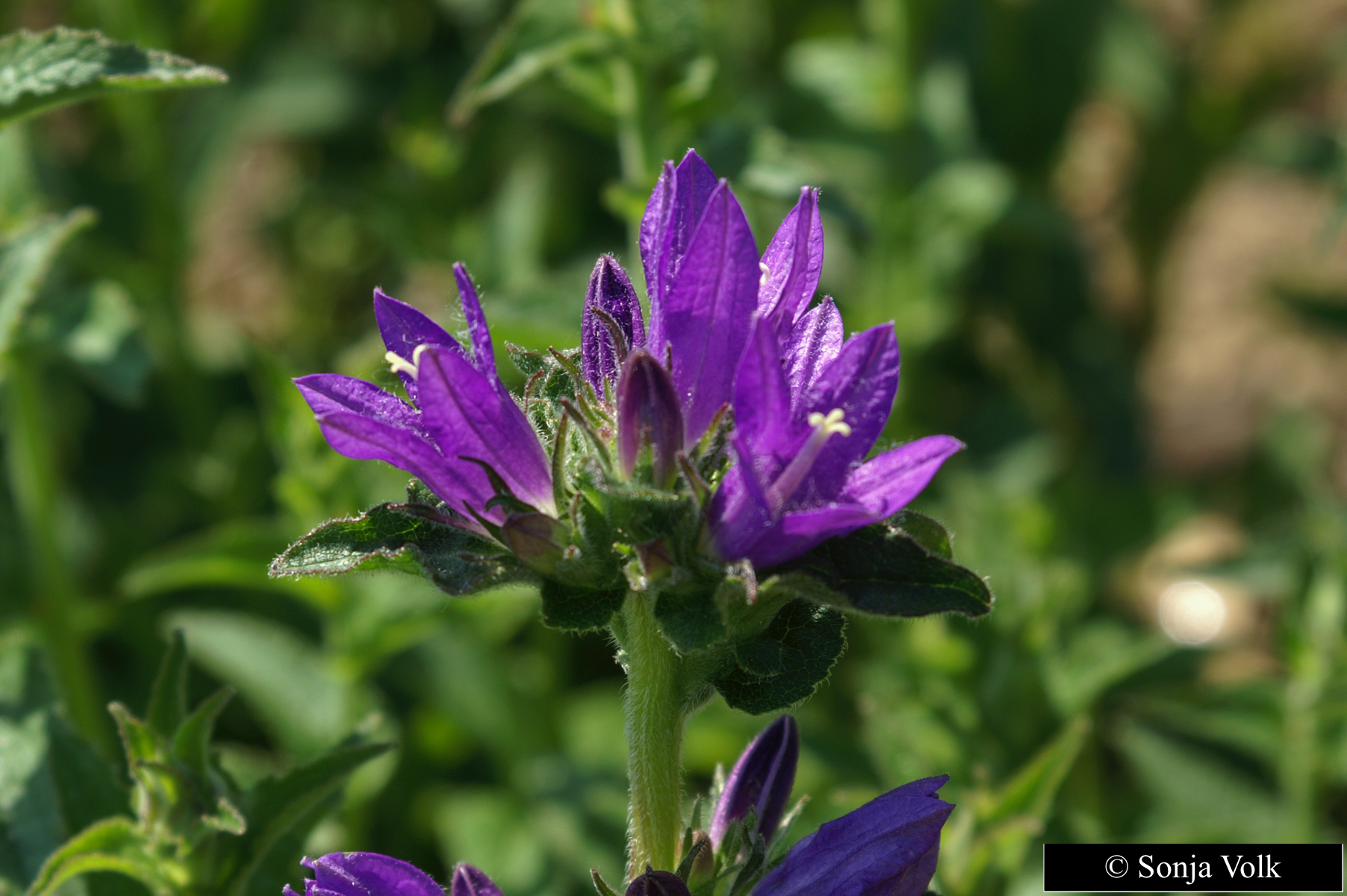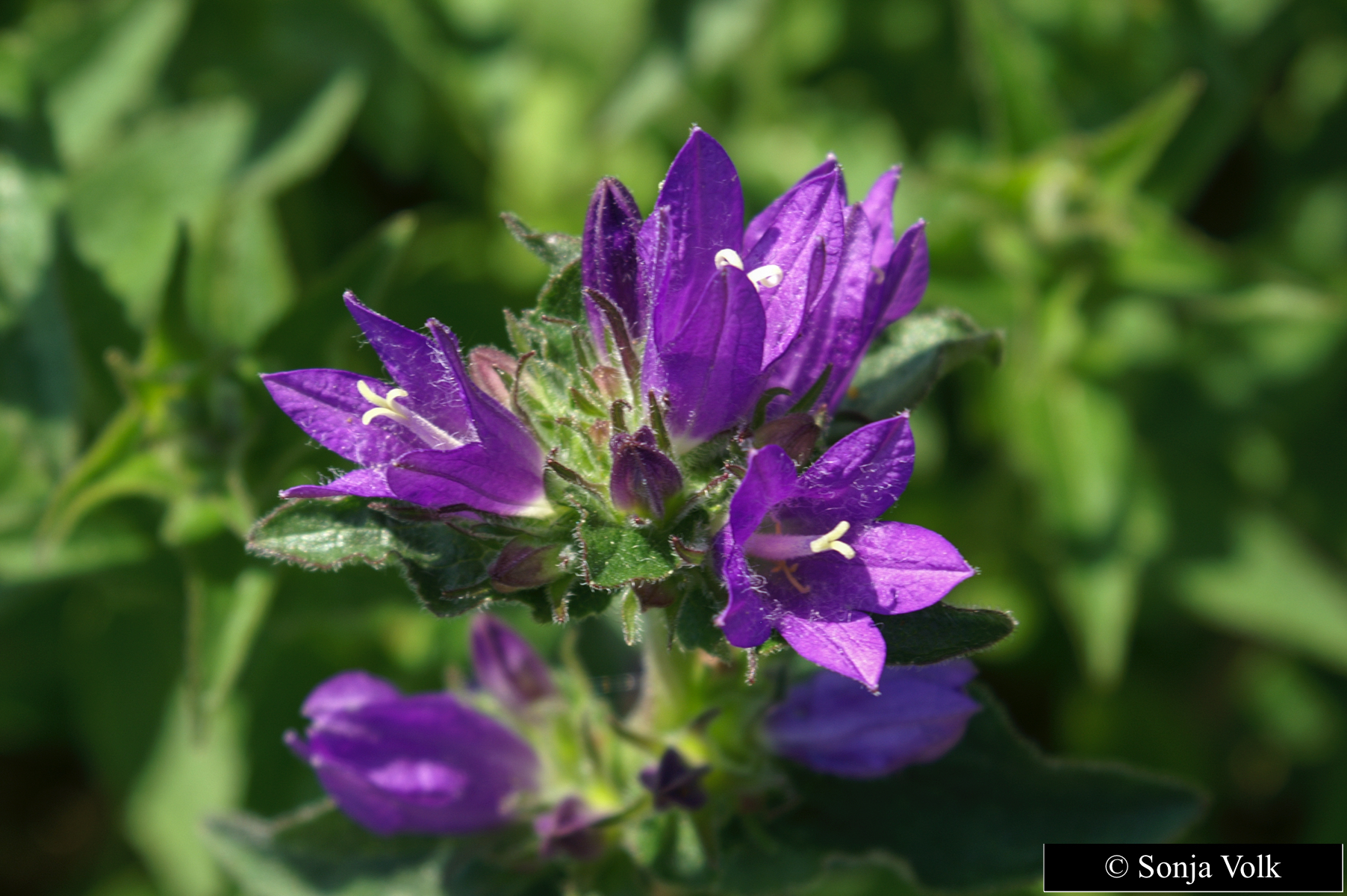
Useful information about the taxon (species, subspecies, variety...)
Campanula glomerata L. 1753
Campanulaceae
(APG IV)Akzessionnummer: SYS-13952
Pflanzjahr: 2022
Taxon concept: The Plant List (2010)
Campanula glomerata L. - Accepted: Campanula glomerata L. bei Zander 2008; Familie: Campanulaceae (Zander 2008)Campanula glomerata L. - Accepted: Campanula glomerata L. bei The Plant List (2010); Familie: Campanulaceae (APG III)Campanula glomerata L. - Accepted: Campanula glomerata L. bei The Plant List (2014), version 1.1; Familie: Campanulaceae (APG III)Campanula glomerata L. - Accepted: Campanula glomerata L. bei The Plant List (2014), version 1.1; Familie: Campanulaceae (APG IV)Campanula glomerata L. - Accepted: Campanula glomerata L. bei BfN Checklist Flora DE; Familie: Campanulaceae (APG IV)Campanula glomerata L. - Accepted: Campanula glomerata L. bei World Flora Online - APG IV (Angiosperms); Familie: Campanulaceae (World Flora Online - APG IV (Angiosperms))
- Life form
- herbaceous, terrestrial, perennial
Breunig, T. et al. (2021): Rote Liste der Farn- und Blütenpflanzen Baden-Württembergs.; Erhardt, W., Götz, E., Bödeker, N. & Seybold, S. (2008): Der große Zander. Enzyklopädie der Pflanzennamen. Band 2. Arten und Sorten. Eugen Ulmer KG, Stuttgart (Hohenheim), 18. Aufl., 2103 S.; Haider, M. et al. (2005): Wildbienenkataster. See: https://www.wildbienen-kataster.de; Metzing, D. et al. (2018): Rote Liste und Gesamtartenliste der Farn- und Blütenpflanzen (Trachaeophyta) Deutschlands .; Schick, B. & Spürgin, A. (1997): Die Bienenweide. Eugen Ulmer Verlag, Stuttgart, Auflage: 4., völlig neubearb. u. erw. A., 216 S. 978-3800174188.; The International Plant Names Index (2009). Published on the Internet http://www.ipni.org; Courtesy to IPNI, 2009. Exported from IPNI at date: 2009-09-22 20:17:51; Westrich, P. et al. (2018): Die Wildbienen Deutschlands.. Ulmer Verlag ISBN 978-8186-0123-2.;