
Useful information about the taxon (species, subspecies, variety...)
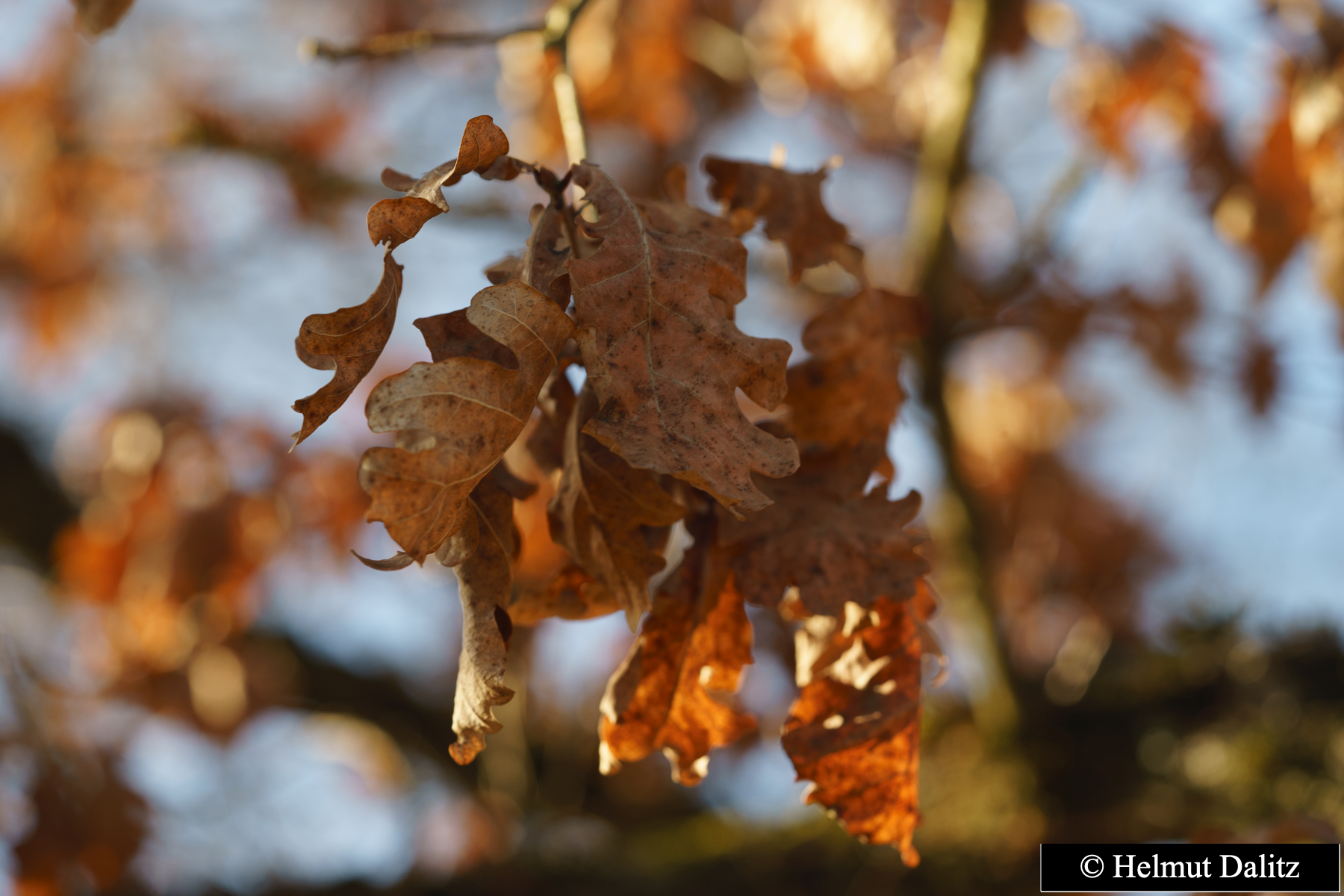
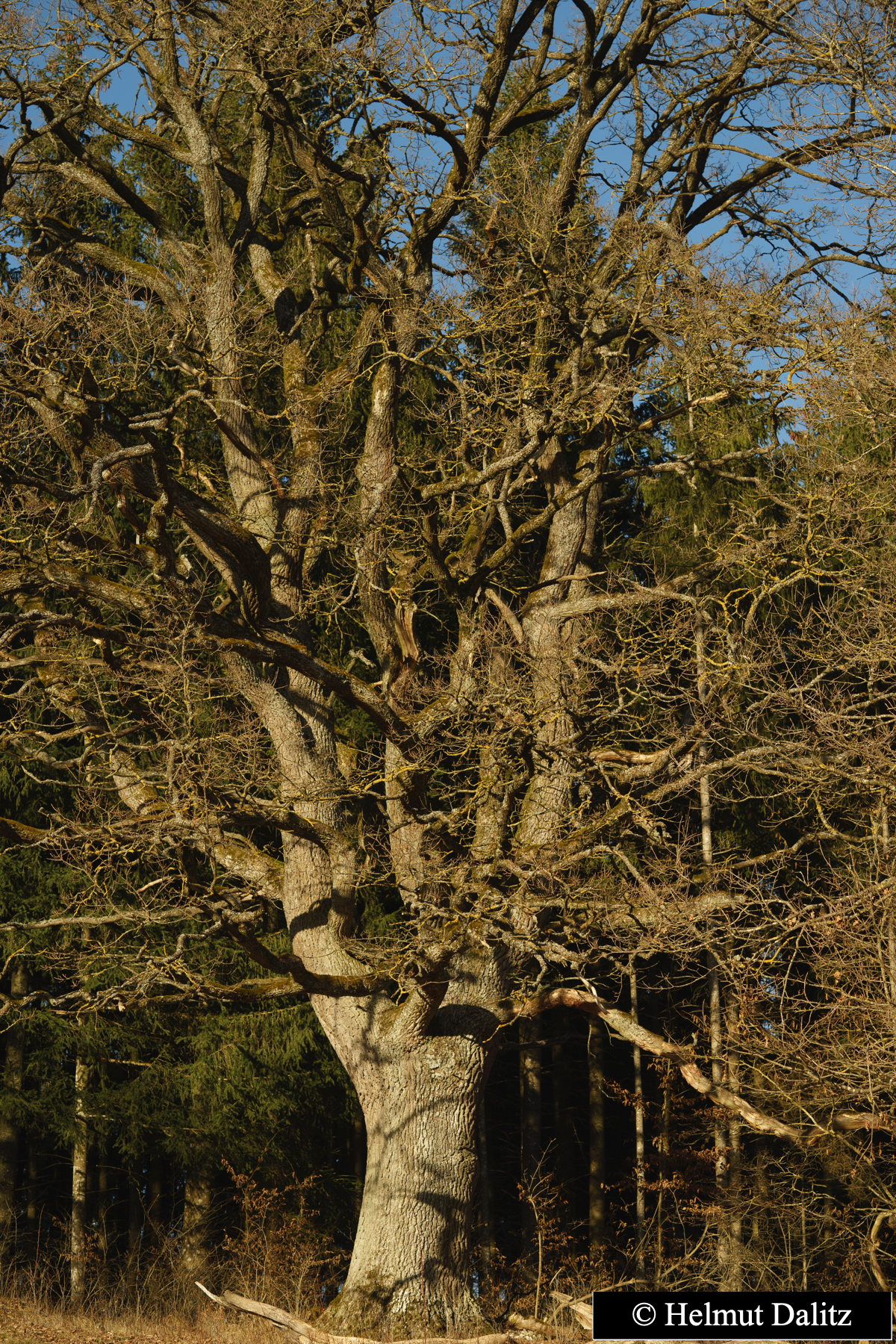
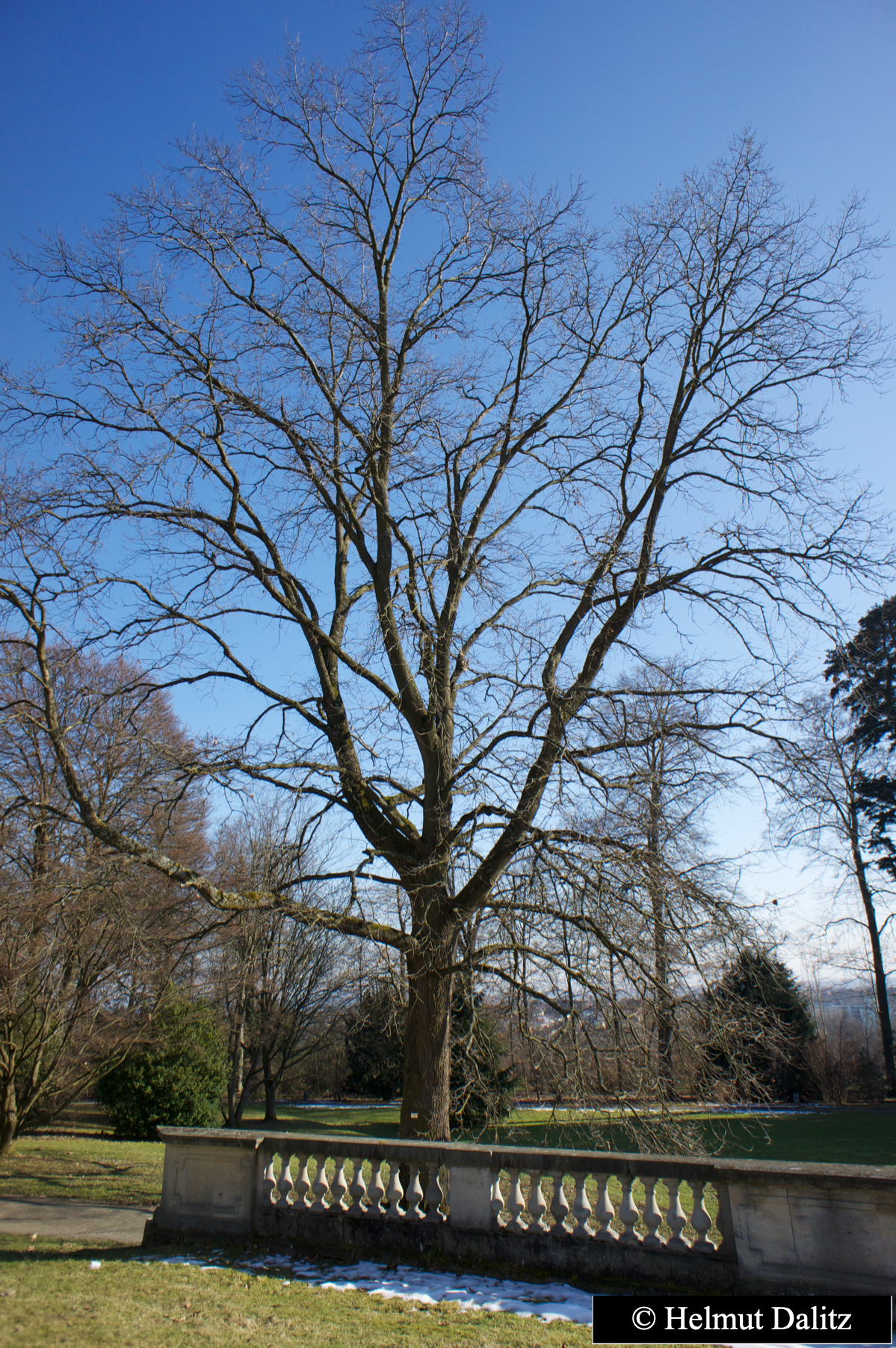
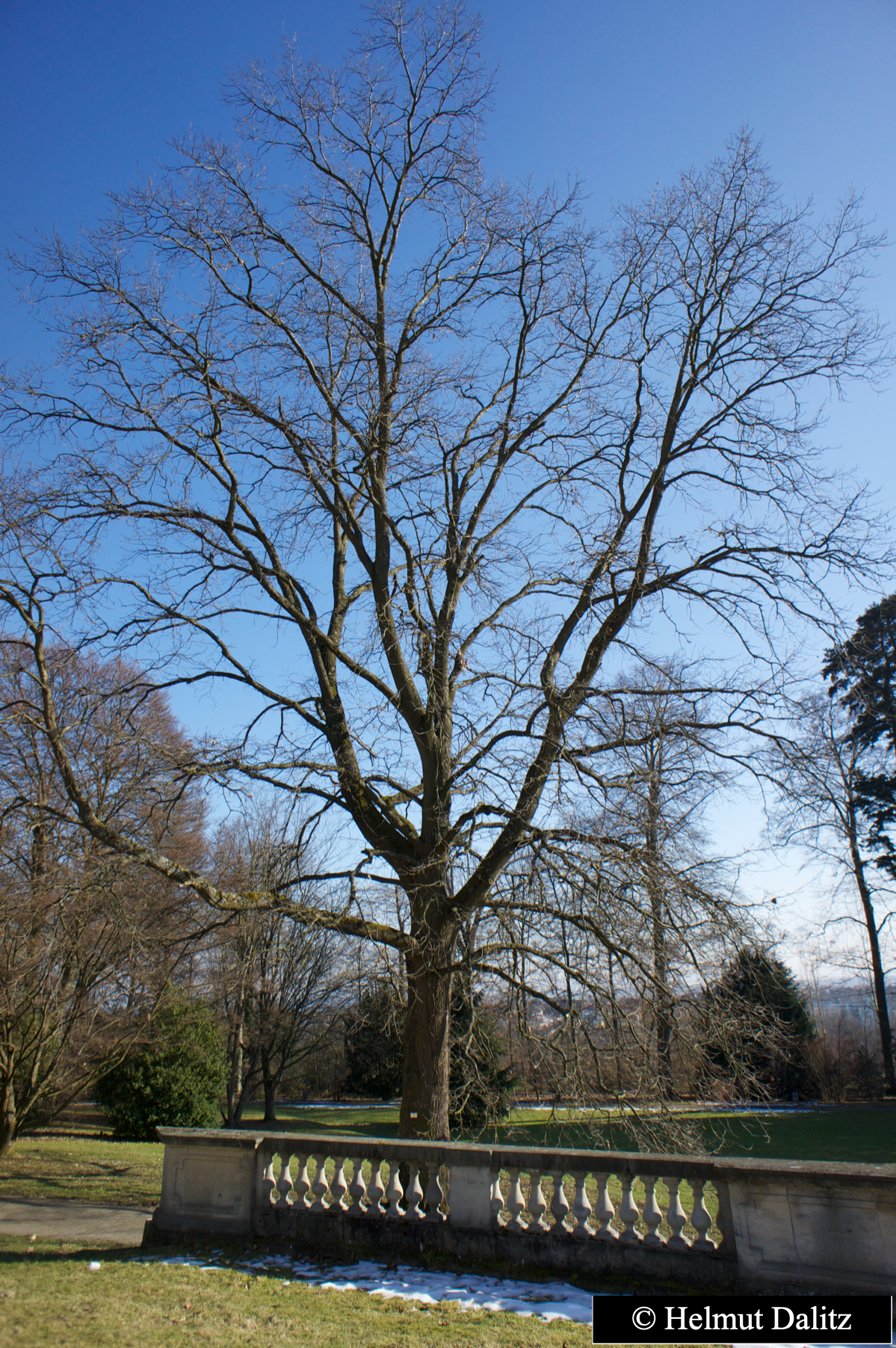
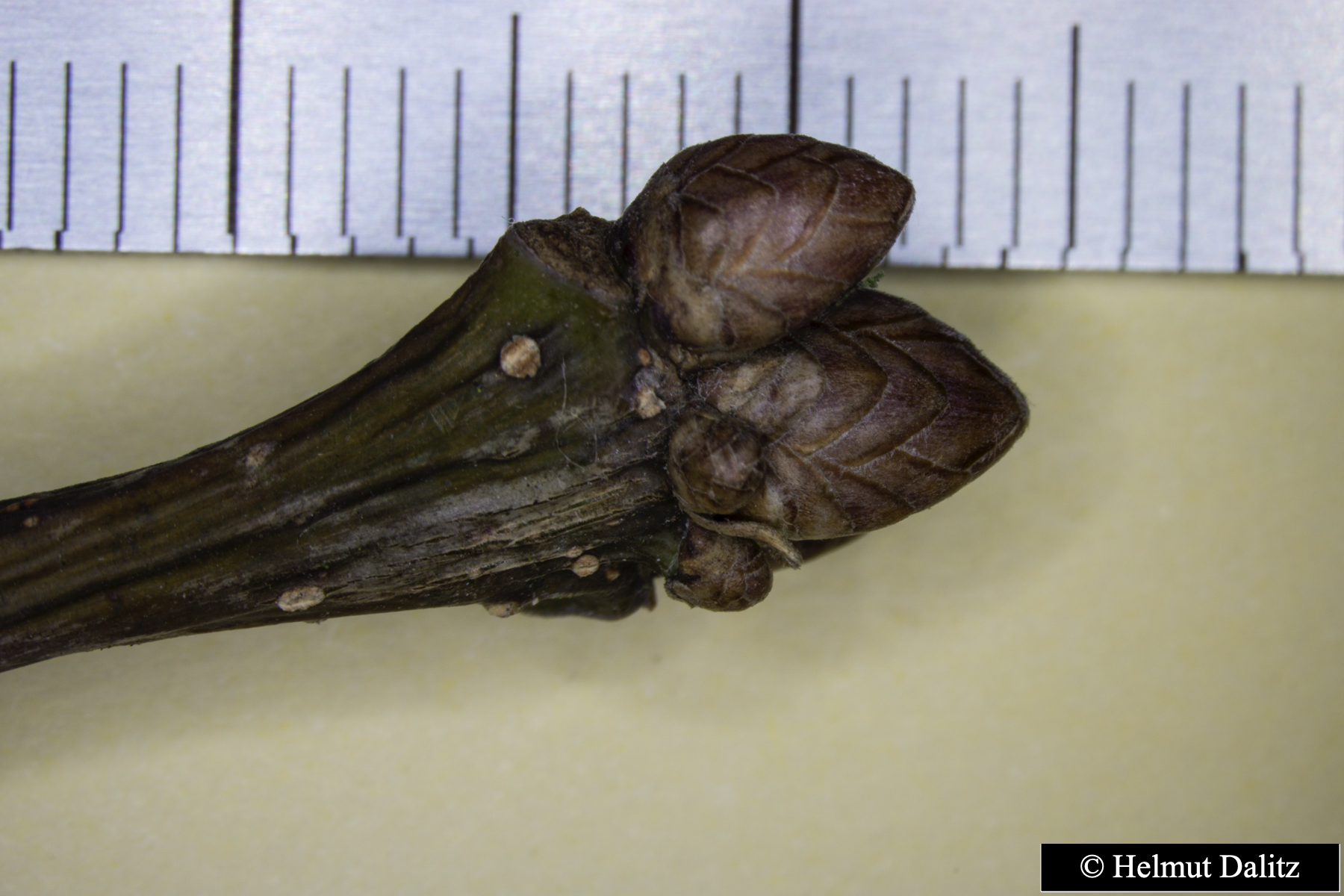
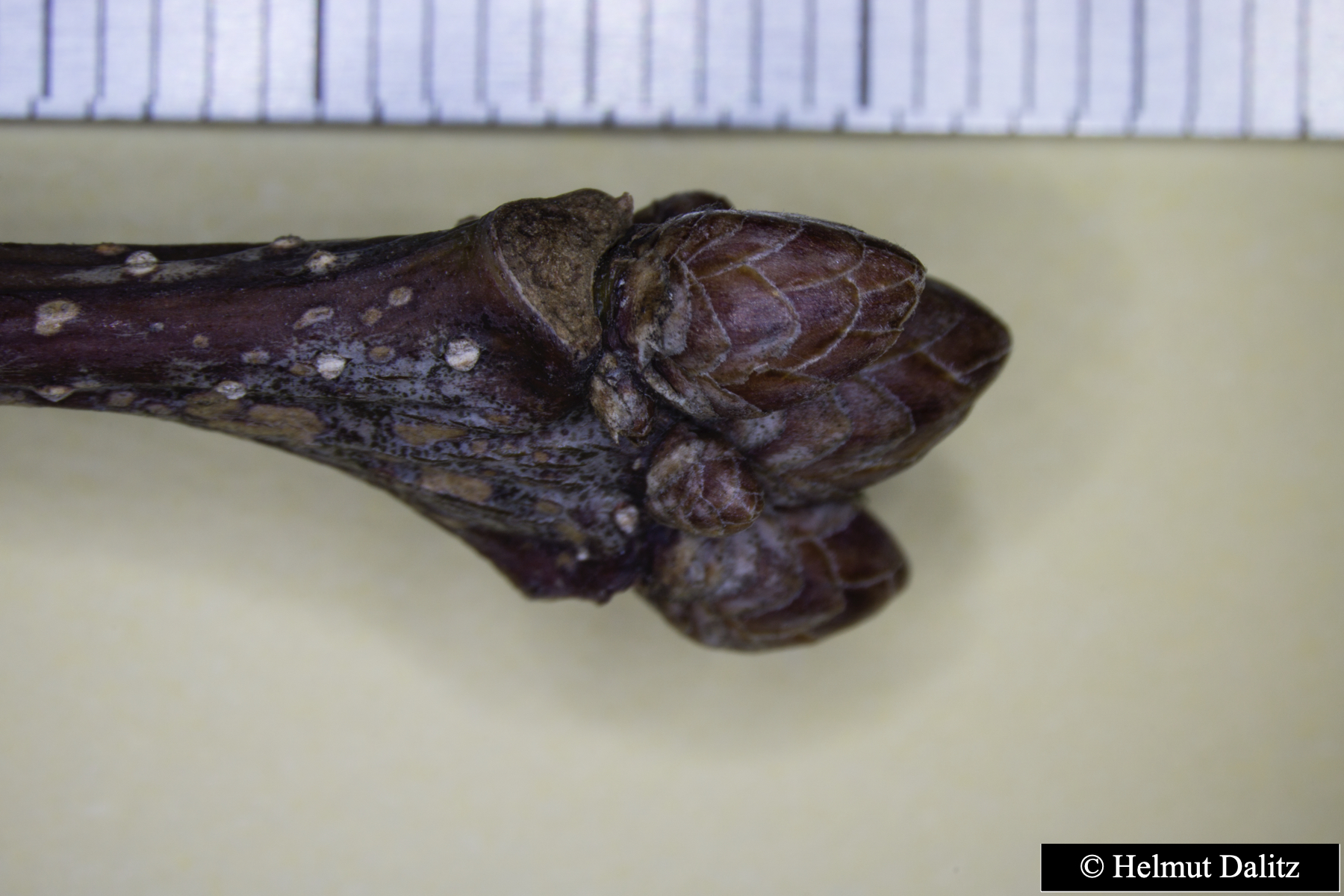
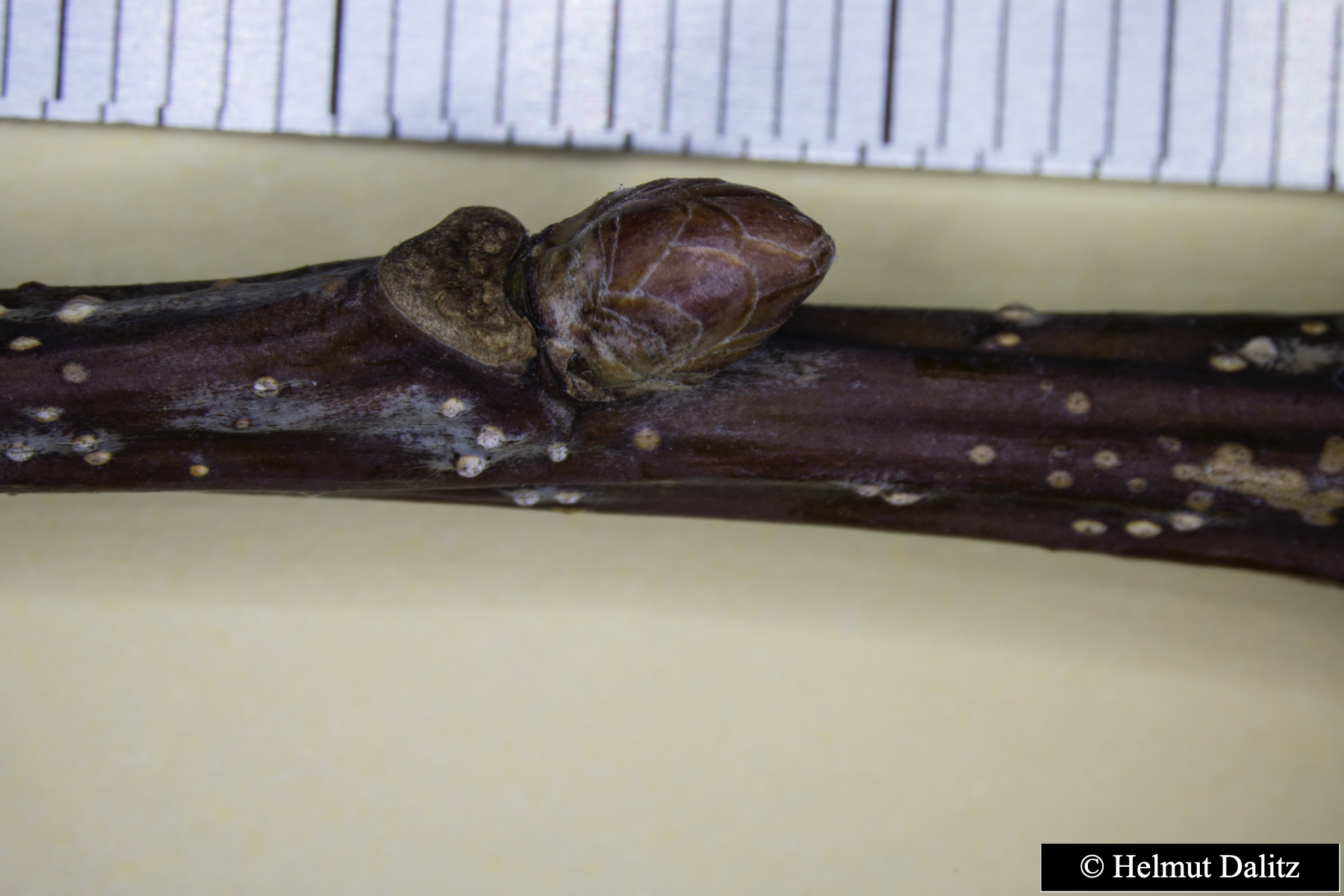
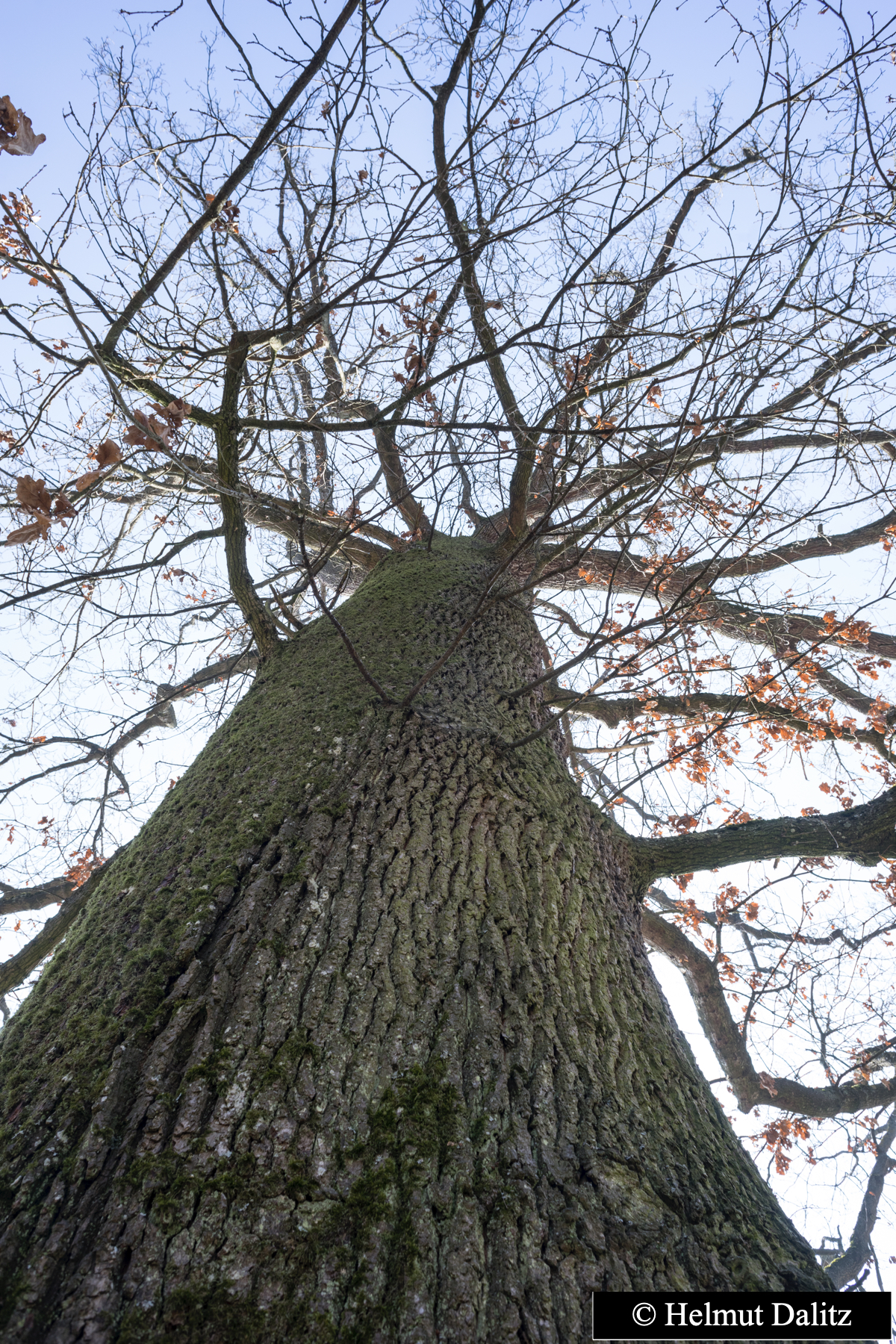
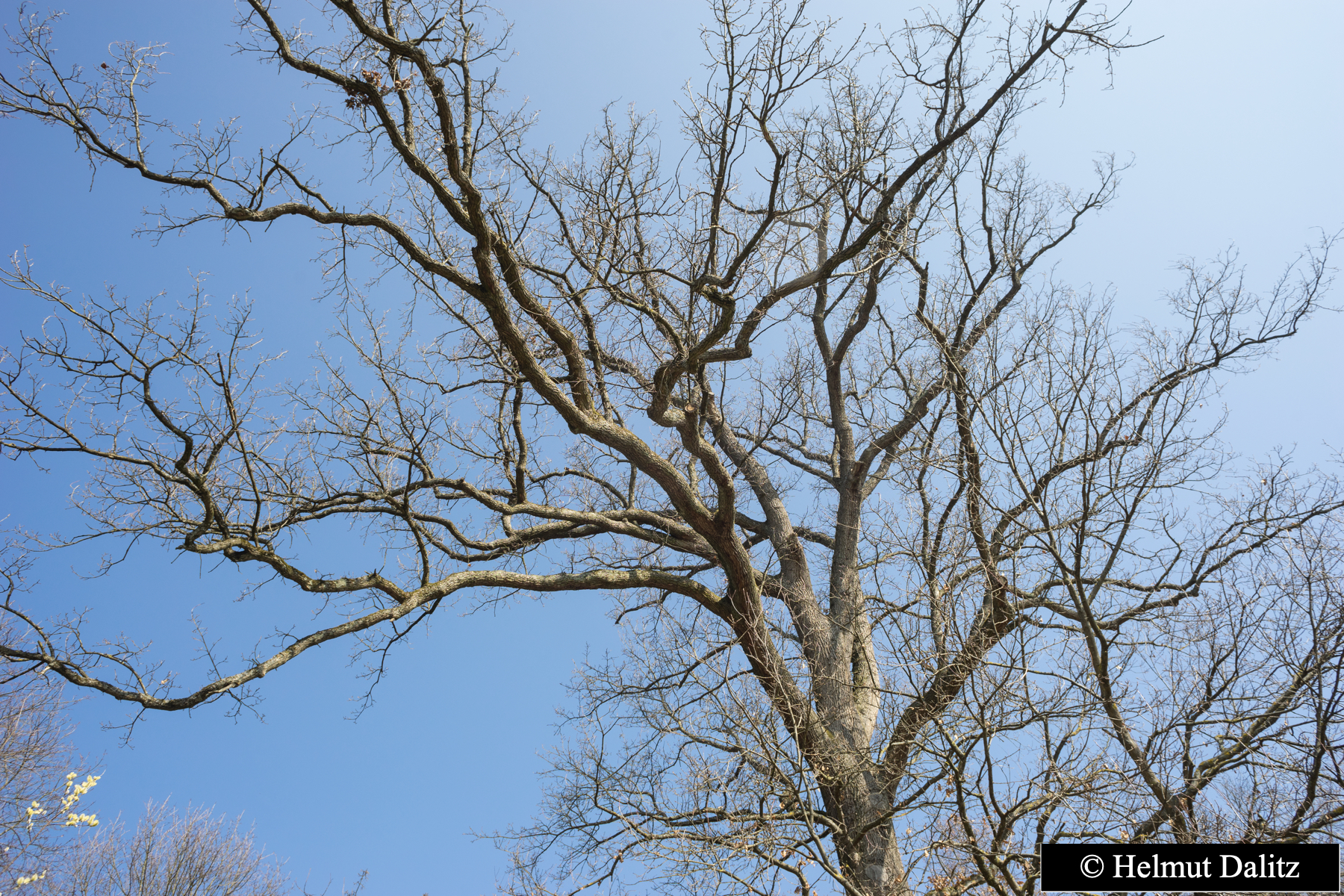
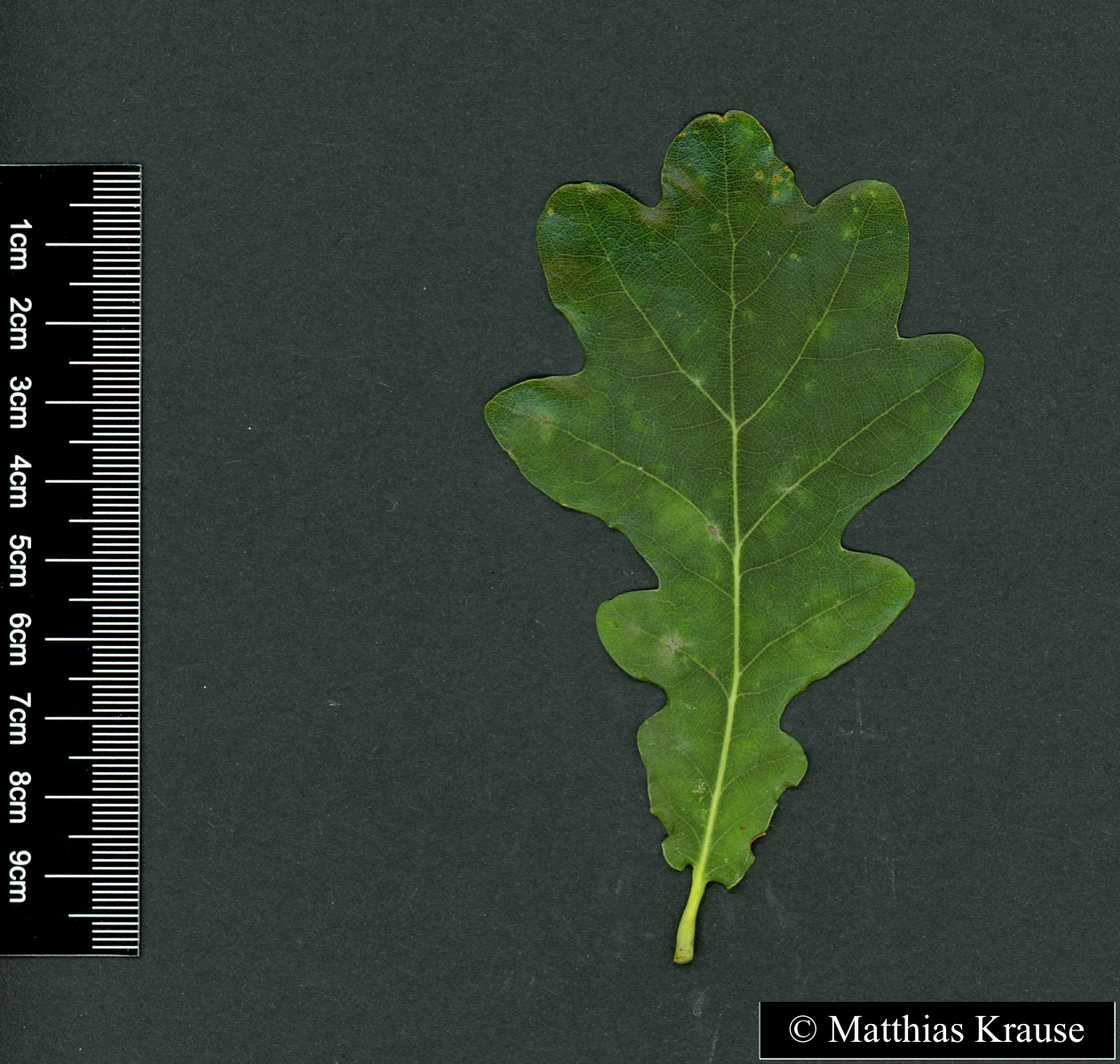
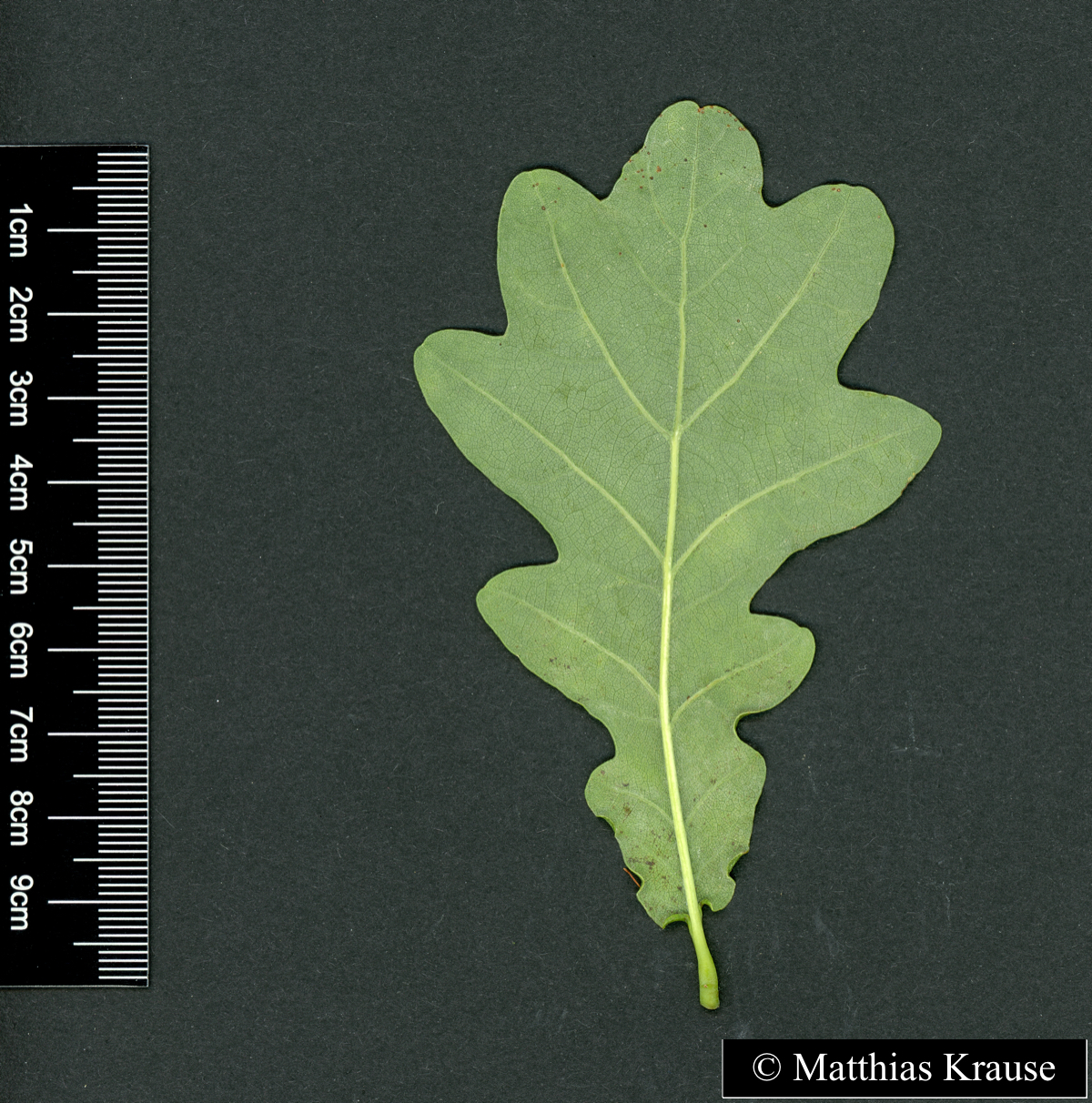
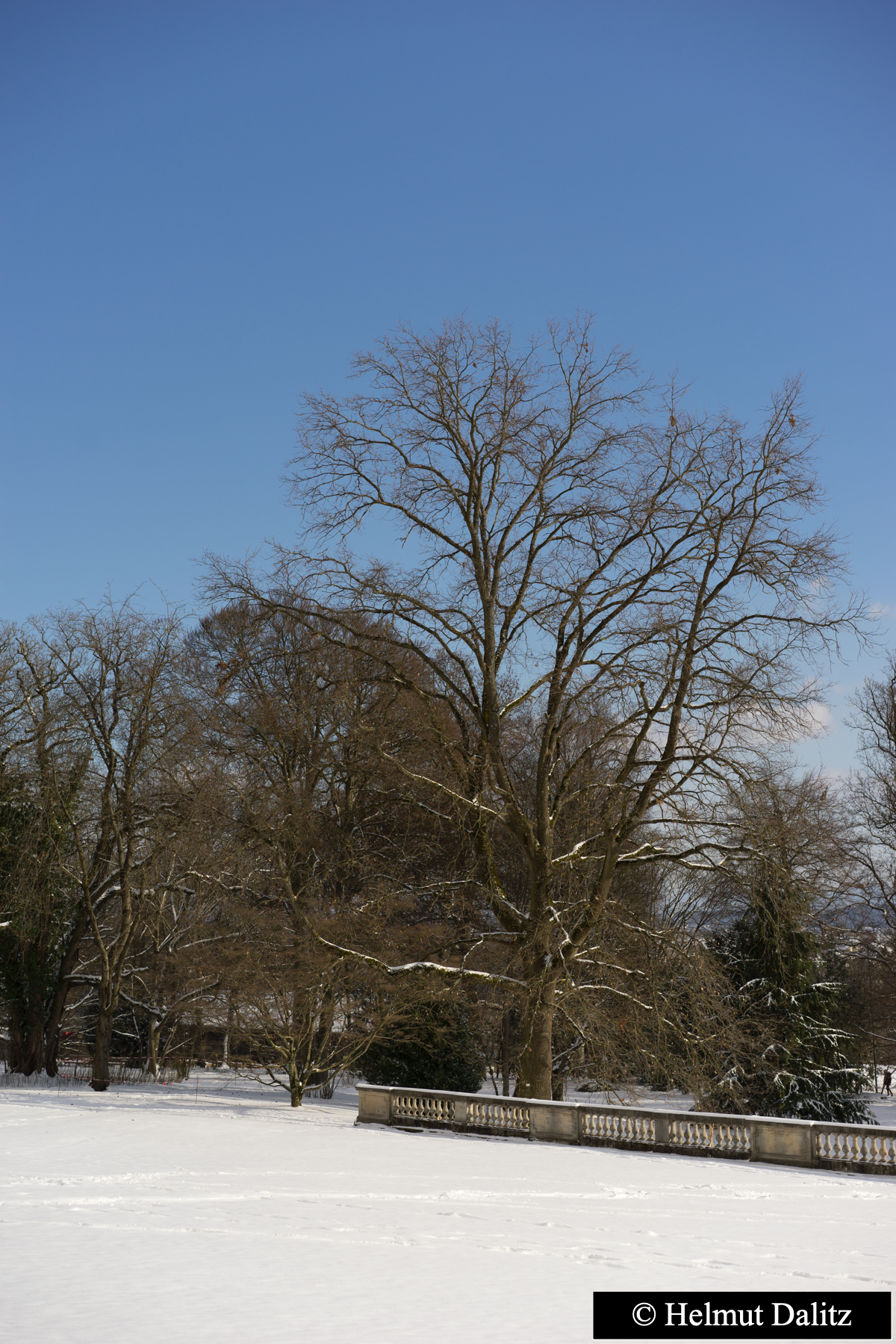
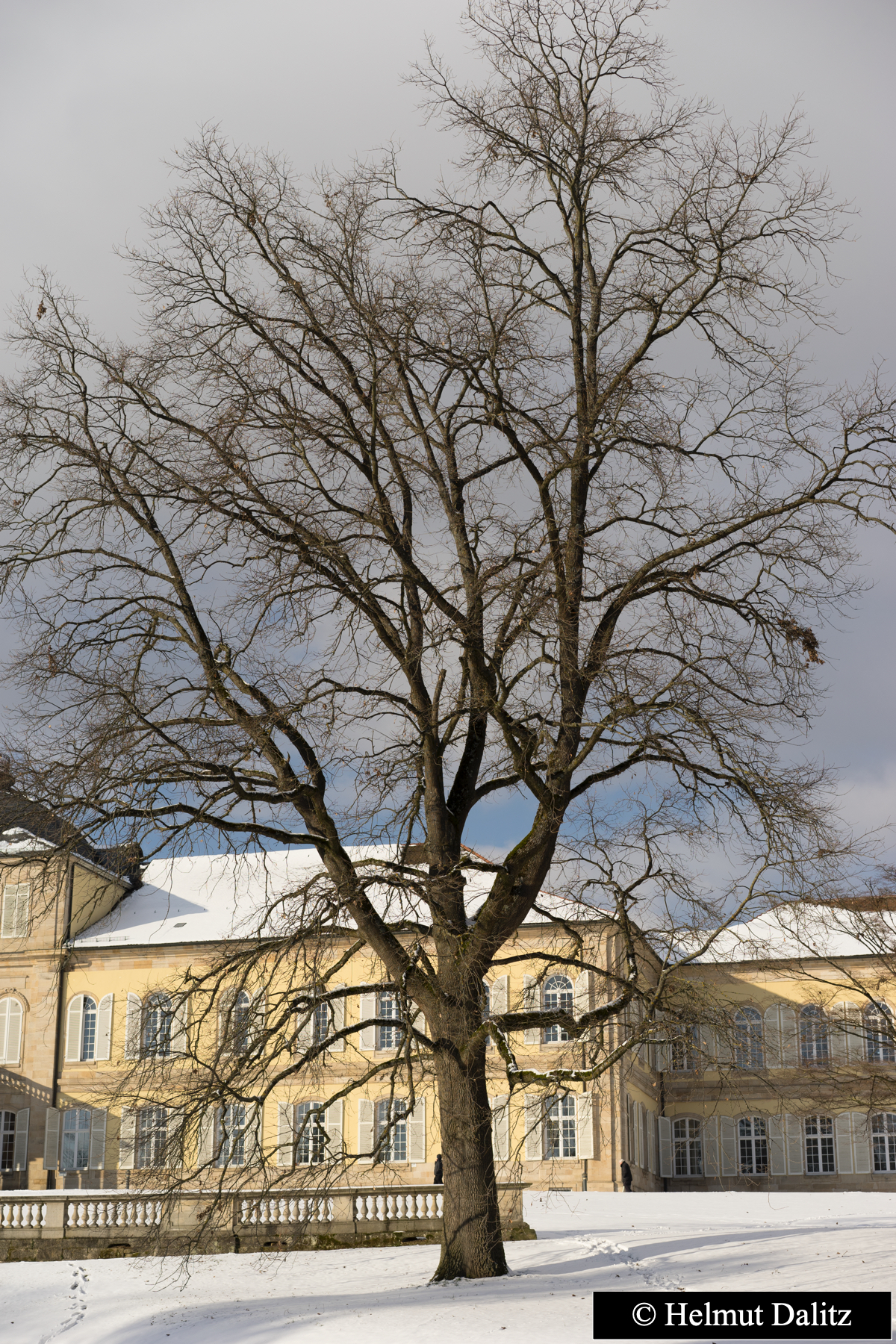
Quercus robur L. 1753
Fagaceae
(APG IV)common oak, pedunculate oak, European oak, English oak
Akzessionnummer: EG-K-060-20895
Pflanzjahr: 1800
Taxon concept: The Plant List (2010)
Distribution: Europe, Turkey, Caucasus, North Africa
Quercus robur L. - Accepted: Quercus robur L. bei The Plant List (2010); Familie: Fagaceae (APG III)Quercus robur L. - Accepted: Quercus robur L. bei Zander 2008; Familie: Fagaceae (Zander 2008)Quercus robur L. - Accepted: Quercus robur L. bei The Plant List (2014), version 1.1; Familie: Fagaceae (APG III)Quercus robur L. - Accepted: Quercus robur L. bei The Plant List (2014), version 1.1; Familie: Fagaceae (APG IV)Quercus robur L. - Accepted: Quercus robur L. bei Schmeil-Fitschen 2019; Familie: Fagaceae (APG IV)Quercus robur L. - Accepted: Quercus robur L. bei BfN Checklist Flora DE; Familie: Fagaceae (APG IV)Quercus robur L. - Accepted: Quercus robur L. bei World Flora Online - APG IV (Angiosperms); Familie: Fagaceae (World Flora Online - APG IV (Angiosperms))
- Difference to related species
- tolerates higher ranges of extreme differences in temperature and humidity than sessile oak (Quercus petraea)
- Flowers
- monoecious; flowers in hanging catkins
- Flower ecology
- wind-pollinated (anemophilous)
- Life form
- woody, tree
- Foliage persistence
- deciduous
- Fruit ecology
- gravity-dispersed (barochorous) and animal-dispersed (zoochorous) (esp. Eurasian jays)
- Soil conditions
- mesic, alkaline-poor and rich, also calcareous, humus-rich loam and clay soils
- Root type
- deep-rooted
- Natural occurrence (habitat)
- woods, oak woods, high forests, coppice woodland, riparian mixed forests
- Vegetation typ and synecology (plant community)
- temperate mesophytic broad-leaved deciduous and mixed forests; mainly Alno-Ulmion (Querco-Ulmetum) or ground-moist Carpinion associations; character species of the Querco-Fagetea
- Usage
- in forestry for wood production; timber used in construction, for building ships, furniture production and as veneer and plywood
Erhardt, W., Götz, E., Bödeker, N. & Seybold, S. (2008): Der große Zander. Enzyklopädie der Pflanzennamen. Band 2. Arten und Sorten. Eugen Ulmer KG, Stuttgart (Hohenheim), 18. Aufl., 2103 S.; Haider, M. et al. (2005): Wildbienenkataster. See: https://www.wildbienen-kataster.de; Maurizio, Anna et al. (1982): Nektar und Pollen - die wichtigsten Nahrungsquellen der Honigbiene. 4. Ehrenwirth, München, 3, überabeitete Auflage; Pritsch, Günter et al. (1985): Bienenweide.. Neumann-Neudamm, Melsungen; Ruppertshofen, Heinz et al. (1995): Der summende Wald - Waldimkerei und Waldhygiene.. Ehrenwirth, München, 8., völlig neubearb. und erw. Aufl.; Schick, B. & Spürgin, A. (1997): Die Bienenweide. Eugen Ulmer Verlag, Stuttgart, Auflage: 4., völlig neubearb. u. erw. A., 216 S. 978-3800174188.; The International Plant Names Index (2009). Published on the Internet http://www.ipni.org; Courtesy to IPNI, 2009. Exported from IPNI at date: 2009-09-22 20:17:51; Werle, Susanne et al. (2015): ITS2 DNA metabarcoding of wild bee pollen loads, collected in 2020 and 2021 across all three exploratories. See: https://www.bexis.uni-jena.de/ddm/data/Showdata/31545?version=6; Westrich, P. et al. (2018): Die Wildbienen Deutschlands.. Ulmer Verlag ISBN 978-8186-0123-2.;

Diese Webseite verwendet Google Maps, um Karten und Standorte von Pflanzen in den Hohenheimer Gärten anzuzeigen. Dadurch werden unter Umständen Daten an Google weitergeleitet, was mit einer Verarbeitung Ihrer personenbezogenen Daten verbunden sein kann. Die Datenschutzerklärung von Google finden Sie hier: Datenschutzerklärung von Google